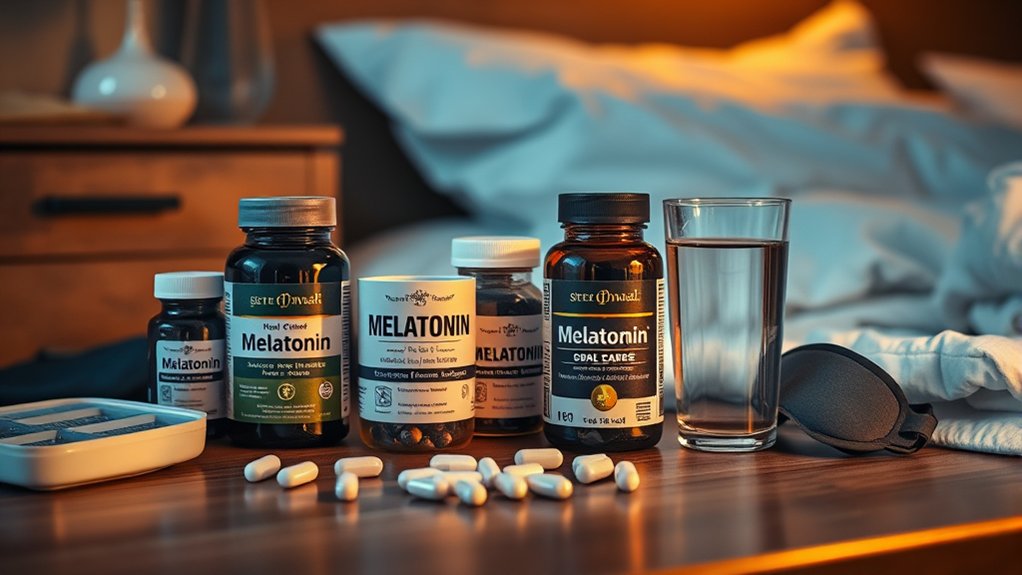
Is Melatonin A Dietary Supplement? Key Benefits and Possible Side Effects
Yes, melatonin is classified as a dietary supplement in the U.S. It’s used to help regulate sleep and circadian rhythms. Melatonin is a hormone your body produces naturally, but the supplements are synthetic and provide controlled dosages.
Since melatonin supplements aren’t regulated as strictly as medicines, quality and dosage accuracy can vary. So, you should choose reputable brands carefully. Understanding how melatonin works and its proper use can help you optimize your sleep safely and effectively.
What Is Melatonin and How Does It Work?

Melatonin is a hormone your body produces in response to darkness, primarily by the pineal gland, to regulate your sleep-wake cycle and circadian rhythms. Its production signals your body to prepare for sleep by influencing the hypothalamus, which reduces various bodily functions and promotes drowsiness.
Melatonin levels peak during childhood but decline considerably after age 40, affecting sleep quality and circadian rhythm stability. To support health and manage sleep disorders, many turn to melatonin supplements. These synthetic forms help reset your internal clock, especially during jet lag or anxiety before surgeries.
Melatonin levels decrease after 40, prompting many to use supplements for better sleep and circadian rhythm support.
The typical dosage ranges from 1 to 10 mg, taken about 30 minutes before bedtime for maximum effectiveness.
Understanding melatonin’s role helps you make informed decisions about its use for sleep and overall health.
Melatonin’s Role in Regulating Sleep Cycles
When your body senses darkness, it triggers the pineal gland to increase production of a hormone that signals it’s time to sleep, helping regulate your circadian rhythm. This hormone, melatonin, plays a central role in managing your sleep-wake cycle by rising 1-3 hours before bedtime, preparing your body for rest.
Melatonin production varies with age and can be disrupted by factors like light exposure, stress, and irregular sleep patterns. Such disruptions may contribute to sleep disorders and reduced sleep quality.
While melatonin supplements are often used to address these issues, understanding its natural role is vital. By aligning melatonin production with your circadian rhythm, your body maintains a healthy sleep-wake cycle essential for overall well-being and restorative sleep.
Benefits of Melatonin Supplements for Sleep Problems

If you struggle to fall asleep or stay asleep, supplements containing melatonin can offer noticeable improvements in sleep quality and reduce the time it takes to drift off.
The benefits of taking melatonin supplements include helping improve sleep for those with insomnia and other sleep-related conditions. Melatonin effectively supports your body’s circadian rhythm, making it especially useful for managing jet lag after long flights.
Melatonin supports your circadian rhythm and improves sleep for insomnia and jet lag recovery.
Research also suggests that melatonin can benefit neurodiverse children experiencing sleep difficulties. When used short-term, melatonin supplements are safe for most people, typically in doses between 1 to 5 mg taken before bedtime.
Keep in mind that starting with lower doses is important to avoid side effects.
Overall, melatonin offers a practical, evidence-based option to enhance sleep health. It’s a simple way to give your body a little extra help when your natural sleep cycle is off.
How to Use Melatonin Safely: Dosage Guidelines
Although melatonin is generally safe, using it correctly is crucial to maximize benefits and minimize risks. When starting melatonin supplements, follow dosage guidelines closely.
Adults should begin with a starting dosage of 1 mg, increasing by 1 mg weekly if needed, while children start with 0.25 to 0.5 mg, adjusting gradually.
Avoid high doses. Adults shouldn’t exceed 10 mg because small doses often provide ideal effects without unwanted side effects like dizziness or confusion.
Timing is key: take melatonin about 30 minutes before bedtime to align with its typical onset of 20-40 minutes.
Always consult a healthcare provider before use, especially if you have health conditions or take medications.
Finally, monitor for side effects and adjust accordingly to guarantee melatonin supplements are safe to take.
Common Side Effects and Risks of Melatonin

What side effects should you watch for when taking melatonin? Melatonin supplements commonly cause daytime drowsiness, headaches, and irritability.
While short-term use is generally safe, long-term use isn’t well studied and may lead to confusion or increased side effects.
You should be cautious, especially since melatonin can interact with medications like anticoagulants and CNS depressants.
Here are three key concerns to keep in mind:
- Overdose risks have risen, particularly among children younger than recommended, so proper dosage and packaging are essential.
- Melatonin may interact with other medications, heightening side effects.
- Consulting your health care provider before use guarantees safe and effective melatonin use.
Monitoring these risks helps you use melatonin supplements responsibly. It’s always better to be safe and informed when adding any supplement to your routine.
Melatonin Use and Safety Guidelines for Children
How safe is melatonin for children, and what guidelines should you follow when considering its use? Melatonin use is generally not recommended for children under 2 years old. Instead, you should first establish good sleep routines.
Always seek consultation with a pediatrician before giving melatonin, especially since over-the-counter products often have inaccurate dosages. This raises the risk of accidental ingestion.
For children, a starting dosage ranges from 0.25 mg to 0.5 mg, with a maximum of 3 mg for those under 88 lbs and 5 mg for heavier kids.
Short-term use may be safe for neurodiverse children and teens with sleep difficulties.
However, potential side effects and unknown long-term hormonal impacts warrant caution. Monitoring and professional guidance are essential to guarantee safe melatonin use in children.
When Should You Talk to a Doctor About Melatonin?
1. If you have health conditions like autoimmune diseases, diabetes, or high blood pressure, or if you’re taking medications that might interact with melatonin, such as anticoagulants or CNS depressants, it’s a good idea to talk to your doctor first.
This way, you can be sure it’s safe and won’t cause any problems with your current health or medications.
2. Before giving melatonin to children, you should definitely check with a healthcare provider.
Dosage and safety can be very different for kids compared to adults.
3. If you keep having sleep problems or notice unusual side effects after using melatonin, that’s another time to see a doctor.
These issues might point to underlying sleep disorders or mean your treatment needs to be adjusted.
Talking to a healthcare provider helps make sure you’re using melatonin safely and effectively, tailored just for you.
How Are Melatonin Supplements Made and Regulated?
Although melatonin is a hormone naturally produced by the body, the supplements you find on store shelves are mostly made through laboratory synthesis rather than extracted from natural sources.
The manufacturing process for melatonin supplements varies widely, which can lead to discrepancies between labeled and actual dosages.
In the U.S., the Food and Drug Administration regulates melatonin as a dietary supplement, not a drug, so it faces less stringent oversight. This means clinical studies and pre-market approval aren’t mandatory, which can affect quality control.
Over-the-counter melatonin products have shown inconsistent melatonin content and sometimes contain harmful additives.
Research reveals that up to 88% of these supplements may not match their stated dosages. Knowing how these regulatory and manufacturing factors work helps you make better choices when picking melatonin supplements.
Natural vs. Synthetic Melatonin: What’s the Difference?
What sets natural melatonin apart from its synthetic counterpart lies in their sources and how your body uses them. Natural melatonin is a hormone produced by your pineal gland in response to darkness, following your circadian rhythm to regulate sleep. Synthetic melatonin, however, is chemically manufactured for use in melatonin supplements.
Consider these key differences:
- The body’s natural production peaks in childhood and declines with age, while synthetic melatonin provides consistent, tailored dosages.
- Many over-the-counter products may not match their labeled dosages, affecting effectiveness.
- Natural melatonin aligns with your sleep cycles, whereas synthetic melatonin aids in regulating sleep by supplementing or resetting those cycles.
Understanding these distinctions helps you choose the right approach to support your sleep health effectively.
Knowing these differences empowers you to optimize your sleep health with the best method for you.
It’s all about finding what works best for your body and your routine.
Choosing Quality Melatonin Supplements and Avoiding Fakes
Since melatonin is regulated as a dietary supplement in the U.S., it doesn’t face the strict FDA oversight that pharmaceuticals do. This means the quality and dosage of products can vary widely.
When choosing melatonin supplements, try to prioritize brands that have rigorous quality control and go through third-party testing. This helps verify potency and purity, so you know what you’re getting.
Studies show that many over-the-counter products have inaccurate labeling, which can lead to improper dosing. So, it’s really important to carefully check the label instructions to confirm the melatonin amount per dose.
Also, make sure the product doesn’t contain harmful additives. Accurate labeling and consistent product quality are key to avoiding fakes and staying safe.
Frequently Asked Questions
Can Melatonin Interact With Herbal Supplements?
Yes, melatonin interactions with herbal supplement combinations can affect your sleep and overall health. Clinical studies highlight side effects exploration, emphasizing timing considerations and dosage recommendations to guarantee safety profiles.
User testimonials reveal varied herbal efficacy, especially with valerian or St. John’s Wort.
Always review alternative remedies carefully, as combining supplements may alter effects.
It’s a good idea to consult healthcare providers to navigate potential risks and optimize benefits from your regimen.
Does Melatonin Affect Hormone Levels Beyond Sleep Regulation?
Did you know melatonin influences cortisol levels, which are vital for your stress response?
Beyond just regulating your sleep cycle, melatonin plays a role in balancing hormones by interacting with your endocrine system. This can impact reproductive hormones and might even help with mood stabilization.
It’s important to be mindful of dosage recommendations because the long-term effects on hormone levels and how melatonin interacts with the immune system are still being studied.
Plus, as you age, the way melatonin affects your endocrine system can change.
Is Melatonin Safe to Use During Pregnancy or Breastfeeding?
You shouldn’t use melatonin during pregnancy or breastfeeding without consulting your healthcare provider.
Melatonin safety concerns include potential impacts on fetal development and unclear melatonin dosage guidelines. Research studies highlight limited data on long-term effects and sleep cycle impact.
Instead, explore pregnancy health tips and natural sleep remedies.
For breastfeeding recommendations and pediatric use considerations, professionals often suggest alternative sleep aids to avoid melatonin side effects.
Can Melatonin Be Used to Treat Jet Lag in Children?
When Sarah gave her 8-year-old melatonin after an eastward trip, she noticed his jet lag symptoms eased quickly.
Studies show melatonin can improve children’s sleep patterns post-travel, but dosage recommendations vary by age and weight. So, it’s best to consult a pediatrician before giving it to your child.
Parents often praise how effective it’s when used with the right timing.
Just keep child safety in mind and watch for side effects like drowsiness.
Also, be sure to follow travel tips closely to make sure melatonin use is safe and beneficial.
How Long Does Melatonin Stay in the Bloodstream After Ingestion?
Melatonin typically stays in your bloodstream for several hours after ingestion, with a half-life of 20 to 50 minutes depending on melatonin metabolism and individual factors.
Melatonin absorption peaks around 30 to 60 minutes post-dose.
Melatonin dosage and timing influence melatonin duration and effects, which usually last 4 to 8 hours.
Melatonin elimination varies, affecting melatonin bioavailability and safety.
Understanding these helps optimize melatonin use for sleep-related concerns.
Conclusion
Think of melatonin like a gentle lighthouse guiding your ship through the foggy night of sleeplessness. Studies show that when used properly, melatonin can help reset your internal clock and improve sleep quality. But just like steering through waters, you need the right dose and trustworthy supplements.
Always consult your doctor before starting so you avoid risks and sail safely toward better rest. Your body and mind will thank you.