Should I Take An Iron Supplement? Benefits, Risks, and Dosage Guide
If you’re feeling unusually tired, weak, or having trouble concentrating, you might need an iron supplement. This is especially true if you’re pregnant, a teen girl, or follow a vegetarian diet.
It’s best to get a blood test to confirm low iron before starting supplements. Taking iron unnecessarily can cause side effects and interact with medications.
Learning about the right type of supplement, proper intake, and managing side effects can help you restore your iron levels safely and effectively. It’s all about finding what works best for your body.
What Symptoms Indicate You Need an Iron Supplement?

How do you know when it’s time to take an iron supplement? If you’re feeling unusually tired, weak, or have trouble concentrating, these symptoms could signal low iron levels or iron deficiency anemia.
You might notice pale skin, dizziness, or shortness of breath. This is especially true if your diet lacks sufficient iron or you belong to a group at higher risk, like pregnant women or those with chronic illnesses.
It’s important to listen to your body and consult a healthcare professional if you experience these signs. They can help determine whether iron supplementation is necessary.
Ignoring these symptoms may worsen your health, so addressing them early with proper guidance guarantees you get the support you need to restore your iron balance safely.
Don’t wait too long—taking action soon can make a big difference.
How Is Low Iron Diagnosed and Tested?
To find out if your iron levels are low, your doctor will likely order some blood tests. These tests measure hemoglobin, hematocrit, and serum ferritin—which is actually the best indicator for early iron deficiency.
If you don’t have a history of low iron, getting tested once a year is usually enough. But if you’re at risk, you might need to check your levels more often.
These tests do more than just confirm your iron status; they can also help uncover any underlying issues that might be affecting your iron levels. So, they give your doctor a fuller picture of what’s going on.
Blood Tests Overview
Several blood tests play an essential role in diagnosing low iron levels and iron deficiency anemia (IDA). Blood tests measure circulating iron and total iron reserves to identify iron deficiency, even before symptoms appear.
While hemoglobin and hematocrit tests detect anemia, they may miss early iron depletion.
Serum ferritin is the most reliable test for early iron deficiency, as it reflects your body’s stored iron. Regular annual testing is advisable if you have no history of low iron.
But if you’re experiencing symptoms like fatigue or poor concentration, your doctor may recommend testing sooner.
After starting iron supplements, retesting in about three months helps track your progress.
These blood tests are vital for detecting iron deficiency and managing underlying medical conditions effectively. So, keeping up with testing can really make a difference in your health.
Key Iron Indicators
Although symptoms like fatigue and weakness might prompt you to seek testing, diagnosing low iron relies primarily on specific blood tests that measure hemoglobin, hematocrit, and most importantly, serum ferritin. The ferritin test is key because it detects iron deficiency early, even before anemia develops.
Monitoring iron levels helps identify stages: mild iron deficiency, functional deficiency, and iron deficiency anemia. Understanding these indicators guides treatment decisions effectively.
| Test | Purpose |
|---|---|
| Hemoglobin | Measures oxygen-carrying capacity |
| Hematocrit | Assesses red blood cell volume |
| Serum Ferritin | Indicates iron stores and early deficiency |
| Iron Levels | Reflects circulating iron in blood |
| Retesting | Confirms response to supplementation |
If your symptoms persist despite treatment, retesting ferritin and iron levels is essential to reassess your iron status. It helps make sure your treatment is working or if changes are needed.
Testing Frequency Guidelines
Understanding how often you should test your iron levels helps assure your treatment stays on track and catches any changes early. Your health care provider will likely recommend annual blood tests to screen for iron deficiency anemia, especially if you’re at higher risk, such as during pregnancy or with chronic conditions.
These tests measure circulating iron and ferritin, reflecting both current iron levels and total body stores. After starting iron supplements, you may see hemoglobin improvements within 4 weeks, but full iron repletion usually takes about 3 months.
If symptoms don’t improve within 4 to 8 weeks, your health care provider might suggest retesting to reassess iron levels and adjust your treatment plan accordingly.
Regular testing frequency assures timely intervention and effective management of low iron.
Who Benefits Most From Iron Supplements: Key Risk Groups
Because your body’s iron needs vary with age, health status, and diet, certain groups benefit more from iron supplements than others. You may especially need iron if you belong to one of these key risk groups:
- Pregnant women require extra iron to support fetal development and increased blood volume. This raises the risk of deficiency.
- Young children grow rapidly and may not get enough iron. This is particularly true if they’re exclusively breastfed without supplementation.
- Vegetarians and vegans often need nearly double the iron because absorption from plant-based sources is lower.
- Teen girls face higher iron loss from menstruation combined with dietary habits. This increases their chances of deficiency.
If you fall into one of these categories, monitoring your iron levels and considering supplements can help prevent iron deficiency and its complications.
What Types of Iron Supplements Are Available?
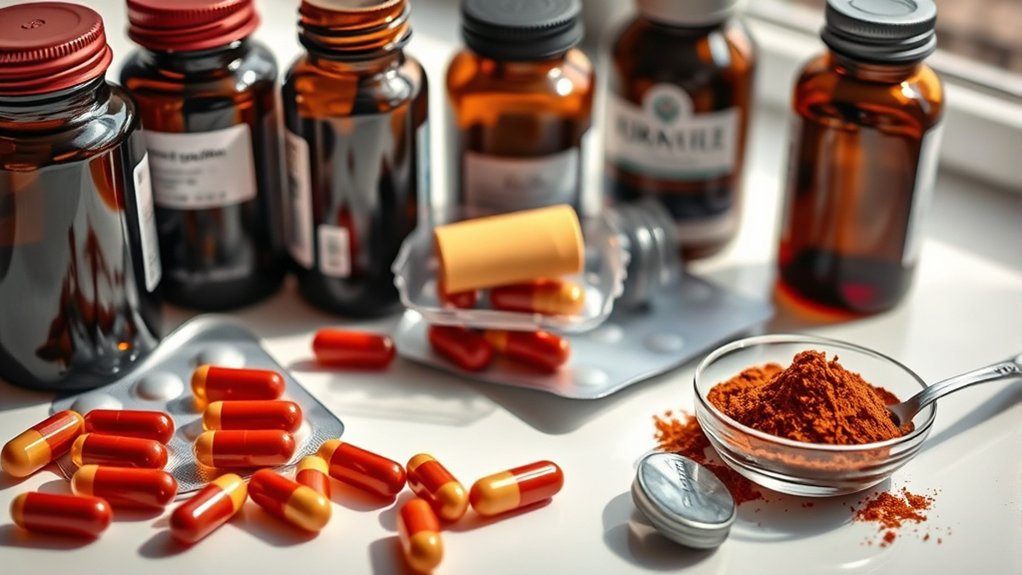
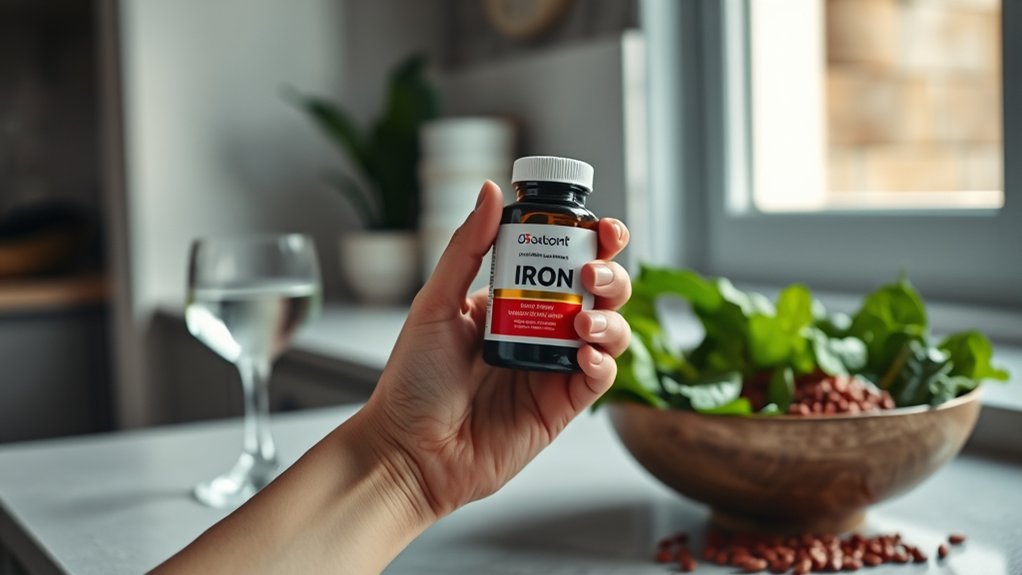
You’ll find iron supplements in several forms. There are oral capsules, tablets, chewables, and liquids, with ferrous sulfate being the most common option.
If oral supplements don’t work well for you or aren’t suitable, your healthcare provider might suggest intravenous iron treatments, such as ferric carboxymaltose.
It’s really important to work closely with your healthcare provider to pick the right type and dosage that fits your needs.
Oral Iron Forms
Oral iron supplements come in several forms, with ferrous sulfate, ferrous gluconate, and ferrous fumarate being the most common options. Ferrous sulfate is widely used, typically at 325 mg per tablet.
You can choose from capsules, tablets, chewables, or liquids, depending on what suits you best.
To maximize iron absorption, take your supplement on an empty stomach. However, if you experience gastrointestinal side effects like nausea or cramps, taking it with a small amount of food can help.
Keep these tips in mind:
- Avoid milk, calcium, and antacids near dosing times because they reduce iron absorption.
- Wait at least 2 hours between iron and these substances.
- Monitor iron levels regularly to avoid overload.
- Choose the form that fits your lifestyle and tolerance.
Intravenous Iron Options
If taking iron by mouth doesn’t suit you or your body needs a faster boost, intravenous (IV) iron supplements offer an effective alternative. Options like ferric carboxymaltose and iron sucrose provide rapid iron replenishment. This is especially helpful if you have advanced chronic kidney disease or can’t tolerate oral forms.
Unlike oral supplements, IV iron typically causes fewer digestive side effects. However, allergic reactions or low blood pressure can still happen. Because of these risks, IV iron administration must be done in a clinical setting under medical advice. Healthcare professionals will closely monitor your response.
Regular lab tests are essential to track your iron levels and prevent iron overload. This helps ensure your treatment is both safe and effective.
Always consult your healthcare provider to determine if IV iron is right for you.
Dosage and Administration
While iron supplements come in various forms, choosing the right type and dosage depends on your specific needs and medical guidance. Your healthcare provider will help tailor the dosage to avoid risks associated with excessive iron.
Here are common types of iron supplements you might encounter:
Capsules or tablets, often ferrous sulfate at 325 mg, known for effective absorption. Ferrous gluconate and ferrous fumarate options differ in absorption and side effects.
Chewable tablets are convenient for those who dislike swallowing pills.
Liquid iron supplements require care to prevent teeth staining. Use a straw and rinse afterward.
Iron is best absorbed on an empty stomach. But taking it with a small amount of food can reduce side effects like nausea.
Always follow your healthcare provider’s advice for best results.
How Do Iron Supplements Differ?

You’ll also find options like ferrous gluconate and ferrous fumarate. These mainly differ in the amount of elemental iron they contain and how well your body absorbs them.
For example, ferrous gluconate is a gentler option but has less elemental iron than ferrous sulfate.
Choosing the right type depends on how well you tolerate it and how much your body absorbs. Some people might need intravenous iron if oral supplements cause severe side effects or don’t work well.
Understanding these differences helps you pick a supplement that supports your iron levels effectively and comfortably.
How Should You Take Iron Supplements for Best Absorption?
Choosing the right type of iron supplement is just one part of maintaining healthy iron levels. How you take it plays a big role in how well your body absorbs the iron.
Selecting the right iron supplement matters, but proper intake is key to maximizing absorption and effectiveness.
When taking iron supplements, follow these tips for best absorption:
- Take supplements on an empty stomach, at least one hour before or two hours after meals.
- Avoid milk, calcium, or antacids close to your dose; wait at least two hours after consuming these.
- Pair your iron supplement with a vitamin C supplement or vitamin C-rich foods like orange juice to boost absorption.
- If you experience side effects, try taking iron with a small amount of food to reduce discomfort while still absorbing some iron.
Common Side Effects of Iron Supplements and How to Manage Them
You might notice some digestive side effects when taking iron supplements, like constipation, nausea, or diarrhea.
Constipation is actually the most common one. If you’re dealing with that, try using stool softeners and make sure you’re drinking plenty of water.
If nausea hits, taking your supplement with a little bit of food can really help.
Also, don’t be alarmed if your stools turn black—that’s totally normal.
But if you see any unusual bleeding, make sure to let your healthcare provider know right away.
Digestive Side Effects
What can you expect when starting iron supplements? Taking supplements often leads to digestive side effects because of increased stomach acid and irritation. Common issues include constipation, which is the most frequent complaint.
Nausea can happen too, especially if you take the supplement on an empty stomach. Sometimes diarrhea shows up as your body adjusts. Black stools are also common, and while they might look alarming, they’re normal.
These side effects happen because iron can irritate your gastrointestinal tract. You might feel better if you adjust the dosage or take the supplements with a little food to ease stomach irritation.
If constipation sticks around, stool softeners like docusate sodium might help.
Managing Iron Supplementation
Although iron supplements are essential for correcting deficiencies, managing their common side effects can make your experience more comfortable and effective. When taking iron, you might face side effects like constipation, nausea, or diarrhea.
To manage nausea, try taking iron with a small amount of food. This can reduce stomach upset while still maintaining iron absorption.
For constipation, stool softeners like docusate sodium often help.
Be aware that black stools are normal, but if you notice any tarry or red-streaked stools, be sure to report them to your healthcare provider.
If nausea or vomiting persists, adjusting your dosage or switching to a different iron form might be necessary.
Liquid iron can stain teeth, so it’s a good idea to use a straw and rinse your mouth afterward.
These steps help you manage side effects effectively and support your treatment.
When Should You Avoid Iron Supplements?
Since iron supplements can impact your health in different ways, it’s important to know when avoiding them is necessary.
You should avoid iron supplements if:
- You have hemochromatosis, a condition causing excessive iron absorption that can harm your organs.
- You’re experiencing gastrointestinal bleeding or ulcers, as iron may worsen these issues.
- You take medications that interfere with iron absorption, like antacids or some antibiotics. Timing matters here.
- You suffer severe side effects such as nausea or constipation. In this case, consult a healthcare provider before continuing.
Can Iron Supplements Affect Your Medications or Other Supplements?
When you take iron supplements, they can interact with certain medications and other supplements, potentially reducing their effectiveness or affecting how well your body absorbs iron.
For example, antibiotics like tetracycline and penicillin may be less effective if taken too close to iron supplements. So, spacing doses by at least two hours is important.
Medications that lower stomach acid, such as proton pump inhibitors, can interfere with absorption. This makes it harder for your body to get enough iron.
Calcium-rich foods, antacids, and iron supplements also shouldn’t be taken together because calcium can interfere with absorption too.
If you’re on thyroid medications like levothyroxine, iron supplements may affect their action.
Always tell your healthcare provider about all medications and supplements you take. This helps avoid interactions and guarantees proper iron absorption.
How Long Does It Take to See Results From Iron Supplementation?
How quickly you see results from iron supplementation depends on several factors, including the severity of your deficiency and your body’s ability to absorb iron.
Typically, you can expect improvements in hemoglobin levels within 4 weeks.
Improvements in hemoglobin levels often become noticeable within about 4 weeks of iron supplementation.
You’ll also notice a reduction in symptoms like fatigue as your iron levels rise. Complete repletion of hemoglobin usually takes at least 3 months of consistent supplementation.
Regular monitoring through blood tests is important to confirm that the treatment is working.
If you don’t see symptom improvement within 4 to 8 weeks, your healthcare provider may need to reevaluate your dosage or explore other causes.
Frequently Asked Questions
Can Iron Supplements Cause Constipation or Digestive Issues?
Yes, iron supplements can cause constipation and other digestive issues.
How well your body handles iron absorption depends on the type of supplement and the dosage you take. Ferrous sulfate often leads to constipation, but liquid forms or lower doses might ease those side effects.
You can try some alternative remedies, like taking iron with small amounts of food to reduce discomfort.
If you keep having problems, it’s a good idea to talk with your healthcare provider. They can help adjust your dosage or switch you to a different supplement that’s easier for you to tolerate.
Are There Dietary Sources of Iron More Effective Than Supplements?
Yes, iron-rich foods often provide better absorption rates than supplements when paired with proper cooking methods and dietary balance.
Heme iron from meat, poultry, and seafood absorbs more efficiently than plant-based non-heme iron.
You can boost absorption by eating vitamin C-rich foods alongside iron-rich plants like spinach or beans.
Maintaining a balanced diet helps your body utilize iron naturally, reducing the need for supplements unless you have a diagnosed deficiency.
How Do Iron Supplements Interact With Vitamin C Intake?
Iron supplements and vitamin C work together to boost iron absorption greatly, thanks to vitamin C synergy.
You’ll want to time your supplement intake by consuming vitamin C-rich foods or drinks shortly before or after taking iron supplements.
Avoid calcium-rich foods during this time, as they hinder absorption.
Paying attention to these dietary considerations guarantees you get the most benefit from your iron supplement.
This supports better iron levels effectively and safely.
Can Children Safely Take Iron Supplements Without a Prescription?
Think of iron supplements as a delicate balance beam. Too little, and iron deficiency can tip your child’s health the wrong way. Too much, and it could cause harm.
You shouldn’t give children iron supplements without a prescription because the guidelines ensure a safe dosage tailored just for them. It’s always best to check with a healthcare provider first. That way, you protect your child’s health and avoid the risk of toxicity.
Using iron supplements responsibly supports strong growth. But taking them without supervision can lead to serious complications.
What Are the Signs of Iron Overdose or Toxicity?
You’ll notice iron overdose symptoms like nausea, vomiting, diarrhea, and abdominal pain quickly after taking too much.
Iron toxicity effects can worsen, causing liver damage, heart problems, and metabolic issues. These conditions need emergency treatment immediately.
If untreated, long-term health risks include organ damage and diseases like diabetes.
Always act fast and seek medical care if you suspect an overdose. This is especially important with children, who are more vulnerable.
Conclusion
If you notice fatigue or weakness, it might be more than just a busy day. It could signal low iron that needs attention. Testing can confirm this and help guide whether supplements suit you.
While iron helps many people, especially those in at-risk groups, it’s essential to choose the right type. You also need to watch for side effects or interactions.
Iron supplements aren’t one-size-fits-all. But when used wisely, they can restore your energy. Sometimes, the key to feeling better is closer than you think.