Does Protein Supplement Cause Hair Loss? Myths vs Facts Explained
You don’t need to worry that protein supplements directly cause hair loss. But certain types, especially whey protein isolate, and ingredients like creatine, can raise hormone levels like DHT. This might speed up hair thinning if you have a genetic sensitivity.
Whey protein concentrate is generally safer and might even support hair health. Other factors like genetics, stress, and overall nutrition play bigger roles in hair loss. So, looking into these things can help you understand how protein supplements affect your hair better.
What Are Protein Supplements and Their Types
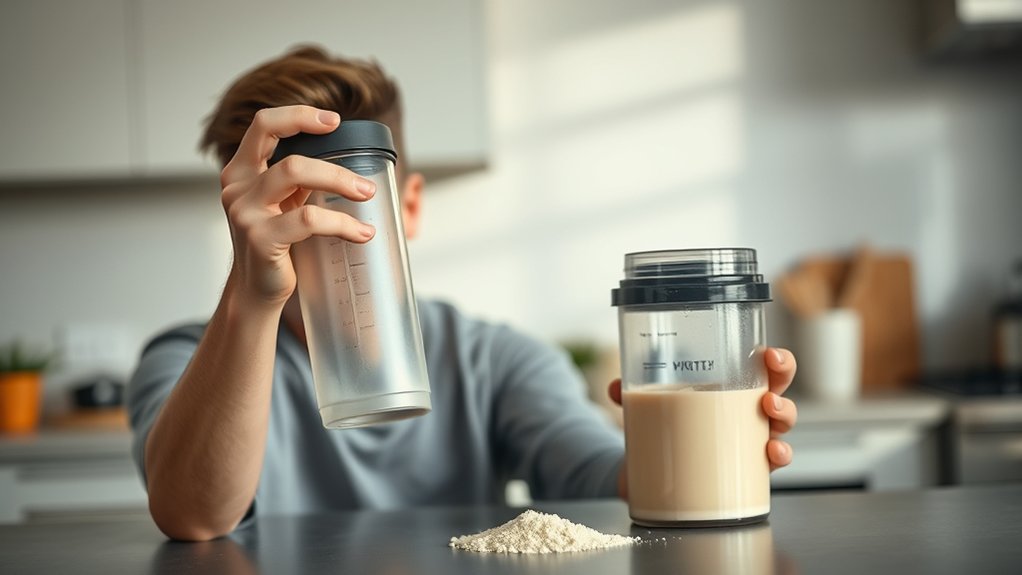
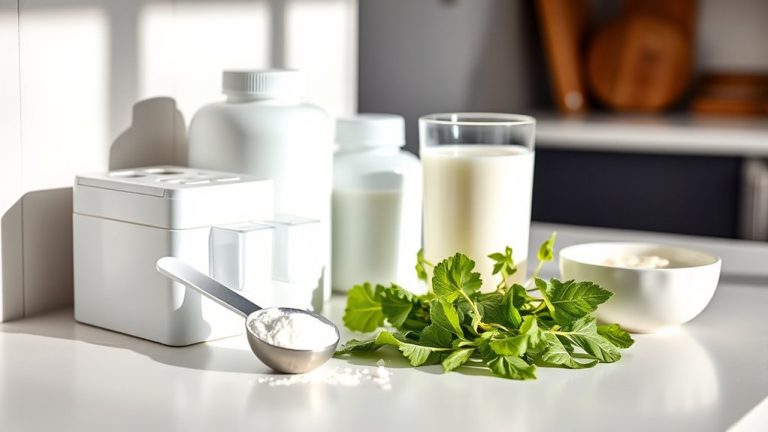
Protein supplements provide a concentrated source of protein designed to support muscle recovery and growth, often available in powder form. You’ll find two primary types of protein supplements: animal-based and plant-based.
Whey protein, an animal-based option derived from milk, is especially popular because it digests quickly and is rich in essential amino acids that are crucial for muscle growth and repair. Among the different forms of whey protein, whey protein concentrate (WPC) contains 60-80% protein, offering a good balance between quality and cost.
Whey protein digests rapidly and provides essential amino acids vital for muscle growth and repair, with WPC balancing quality and cost.
Other forms include whey protein isolate and hydrolysate, which provide higher purity and faster absorption.
Plant-based proteins, such as pea or rice protein, serve as alternatives but can vary in their amino acid profiles. Knowing about these types helps you pick the supplement that fits your muscle growth and dietary needs best.
How Protein Supplements Support Hair Growth
Although many factors influence hair health, making sure you get enough essential amino acids through supplements can really help support hair growth. Protein supplements, especially whey protein, provide these amino acids, which are key building blocks for hair follicles.
If you don’t get enough protein, your body actually shifts resources away from hair maintenance to keep other vital functions going. This can slow down hair growth. Plus, protein sources often have biotin, which helps your body use amino acids for stronger hair.
Whole food proteins work well with supplements because they offer collagen and keratin, both important for hair’s structure and resilience.
Keeping your protein intake regular and adequate sets the stage for preventing hair thinning and encouraging regrowth. This way, you can boost your overall hair health effectively.
Protein Supplements and Hair Loss: What You Need to Know
You might be wondering if protein shakes cause hair loss. Well, the good news is that current evidence doesn’t show a direct link between protein supplements and hair thinning.
However, some ingredients in these supplements, like creatine, can raise DHT levels. And since DHT can affect hair in people who are genetically prone, it’s something to keep in mind.
But remember, other factors such as genetics, stress, and overall nutrition play a much bigger role in hair health than just protein intake alone.
Protein Shakes And Hair
When considering the effects of protein shakes on hair health, it’s important to recognize that the relationship is complex and not fully conclusive.
Whey protein, particularly whey protein isolate (WPI), has been linked in some studies to worsened hair loss in people who are genetically predisposed. But most evidence doesn’t support a direct cause-and-effect relationship.
On the other hand, whey protein concentrate (WPC) might actually help promote hair health and regrowth. So, the impact can differ depending on the type of protein you’re using.
Protein shakes can also influence testosterone levels, and higher testosterone might increase dihydrotestosterone (DHT), which is linked to hair loss in some individuals.
That said, nutritional deficiencies are still a more common cause of hair loss than protein shakes.
If you notice hair loss after starting protein shakes, it’s a good idea to check in with a healthcare professional to rule out any underlying issues.
Supplements Affecting Hair
Since protein supplements can contain various ingredients that influence hormone levels, understanding their potential impact on hair health is essential.
Whey protein, a common form of protein supplementation, varies in effect: whey protein isolate (WPI) may accelerate hair loss in individuals predisposed to androgenetic alopecia, while whey protein concentrate (WPC) has been linked to improved hair health and regrowth.
Certain additives, such as creatine, can elevate dihydrotestosterone (DHT) levels, a hormone associated with hair thinning. Protein deficiency itself contributes to hair loss, emphasizing the need for balanced intake.
However, hormonal changes, stress, and health conditions also play significant roles.
Because of these complexities, you should consult a healthcare professional before starting protein supplements, especially if you have a family history of hair loss or are experiencing symptoms.
It’s always better to be safe and get personalized advice.
Whey Protein Isolate vs. Concentrate: Effects on Hair
Although both Whey Protein Isolate (WPI) and Whey Protein Concentrate (WPC) are popular supplements for muscle building, they’re quite different in what they contain and how they might affect your hair.
WPI has at least 90% protein with very little fat and lactose. This means it gets absorbed quickly, but it might also raise testosterone levels. That increase in hormones could speed up hair loss if you’re genetically prone to it.
WPI’s high protein and fast absorption may boost testosterone, potentially accelerating hair loss in those genetically prone.
On the other hand, WPC has between 60-80% protein and more fat and carbs. It’s less processed and keeps more nutrients that can actually support hair health and might even help hair regrowth.
Of course, your genes and overall diet play a big role in how these supplements affect you. So, if you’re worried about hair loss, switching from WPI to WPC or focusing on whole food protein sources could be a smart move to reduce any potential risks from whey protein isolate.
Creatine, DHEA, and Their Impact on Hair Loss
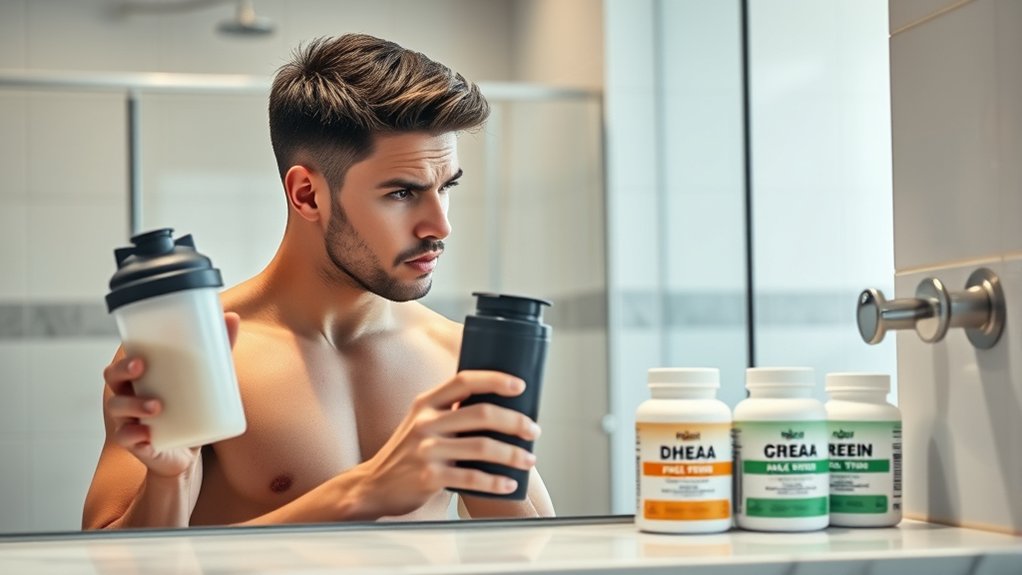
Beyond whey protein, other common supplements like creatine and DHEA also influence hormone levels that can affect hair health.
Creatine has been shown to increase DHT, a derivative of testosterone, by up to 56%. This can potentially speed up hair loss in people prone to androgenetic alopecia.
DHEA works similarly by raising testosterone and carries risks including hormone-sensitive side effects like hair thinning.
When thinking about these supplements, keep a few things in mind:
- Creatine may elevate DHT, which can impact hair follicles in susceptible users.
- DHEA influences hormone levels linked to hair loss and other health risks.
- Everyone reacts differently, and genetics play a big role in how you respond.
If you’re worried about hair loss, it’s a good idea to talk to a healthcare professional before starting creatine or DHEA.
That way, you can understand how these hormonal changes might affect you.
How Genetics and Hormones Influence Hair Loss Risk
When you consider hair loss risk, genetics and hormones play a central role in determining how susceptible your hair follicles are to thinning. Your genetic predisposition, particularly in cases of androgenetic alopecia, dictates how sensitive your hair follicles are to hormonal influences.
Dihydrotestosterone (DHT), a hormone derived from testosterone, binds to receptors in hair follicles, causing them to shrink and leading to progressive hair thinning. This process is more pronounced if you inherit genes that increase follicular sensitivity to DHT.
Hormonal fluctuations and age further influence gene expression related to hair loss, making the risk dynamic. Understanding your genetic and hormonal profile enables you to assess your susceptibility to androgenetic alopecia.
This also guides targeted strategies to manage or prevent hair thinning effectively.
Other Common Causes of Hair Loss Besides Protein Supplements
Genetics and hormones markedly influence hair loss, but several other factors can also contribute to thinning and shedding. You should consider these common causes besides protein supplements.
Stress-induced hair loss is one of them. Emotional or physical stress can trigger telogen effluvium, which is a temporary yet significant shedding phase. It’s pretty common and usually reversible.
Nutritional deficiencies also play a role. Low iron or inadequate protein intake can impair hair health, leading to weaker strands and increased loss. So, what you eat really matters.
Medications can be another culprit. Drugs for acne, depression, or blood pressure may cause side effects that include hair thinning. It’s always good to check with your doctor if you suspect your meds are affecting your hair.
Additionally, hormonal changes from thyroid issues or imbalances can disrupt hair growth cycles.
And genetic factors like androgenetic alopecia still remain the primary contributors to hair loss.
Understanding these elements helps clarify that protein supplements are rarely the sole cause of hair loss. It’s all about taking a thorough approach to maintaining your ideal hair health.
Signs Your Protein Supplement Affects Your Hair
Although protein supplements are generally safe, you might notice signs that they’re affecting your hair health if you experience increased shedding, thinning, or bald spots shortly after starting them.
Whey protein, especially isolate forms, has been linked to exacerbating hair loss in susceptible individuals.
Signs of hair loss may also include hair breakage and slow regrowth. Nutritional deficiencies from imbalanced protein intake, such as insufficient essential amino acids, can weaken hair structure and reduce growth.
Furthermore, additives like creatine in supplements might influence hair health negatively.
If you observe these signs of hair loss following the introduction of a protein supplement, it’s important to evaluate the specific product’s ingredients carefully.
Monitoring your hair health and protein consumption helps identify potential adverse effects early.
Safe Protein Supplement Practices for Healthy Hair
You should focus on getting your protein from whole foods like fish, poultry, and legumes. These provide essential amino acids that are really important for healthy hair, and they don’t come with the risks that some supplements might have.
If you do decide to use protein powders, it’s a good idea to choose whey concentrate instead of isolate. Whey concentrate may be better at supporting your hair follicles and could help reduce any potential damage.
Also, try to keep your protein intake within the recommended daily limits.
And it’s always smart to check in with a healthcare professional to make sure any supplementation is safe and tailored just for you.
Choosing Hair-Friendly Proteins
When selecting protein supplements to support hair health, prioritize formulations that contain complete proteins with all essential amino acids necessary for hair structure and growth.
Whey protein concentrate is preferable over isolates, as it may promote hair regrowth. On the other hand, isolates could accelerate hair loss in susceptible individuals.
Incorporating plant-based protein sources like pea or hemp protein offers essential nutrients without the hormonal risks linked to some animal proteins.
To optimize hair health, consider these factors:
Choose whey protein concentrate for balanced amino acid profiles supporting hair growth.
Include plant-based protein sources to minimize hormonal impact and enhance nutrient diversity.
Maintain a balanced diet with whole foods such as fish, lean poultry, and legumes to prevent deficiencies affecting hair loss.
This approach guarantees your protein intake supports robust hair structure and overall hair health.
It’s all about giving your hair the right building blocks to stay strong and healthy.
Managing Supplement Intake
Since protein supplements can impact hair health differently depending on their type and dosage, managing your intake carefully is essential for preventing adverse effects like hair loss. Prioritize whey protein concentrate over isolate. Also, keep an eye on your total protein intake and make sure you’re eating a variety of foods.
Always check with a healthcare professional before starting any supplements, especially if you have a history of hair loss or hormonal issues. It’s a good idea to track your hair health regularly and get specialist advice if you notice any changes.
| Practice | Recommendation |
|---|---|
| Protein Type | Choose whey protein concentrate |
| Protein Intake | Women: 46g, Men: 56g daily |
| Dietary Sources | Include fish, eggs, legumes |
| Professional Consultation | Consult healthcare professional pre-use |
| Hair Health Monitoring | Regularly assess and address changes |
When to Seek Professional Help for Hair Loss
Although some hair shedding can be normal, excessive loss or the appearance of bald spots after starting protein supplements means it’s a good idea to check in with a healthcare professional.
If you notice persistent hair loss, especially after using whey protein or similar supplements, getting professional advice is really important.
A specialist can look into possible causes like hormonal imbalances or nutritional deficiencies that might be behind your hair loss. It’s worth considering a consultation if you see sudden or unexplained hair loss lasting more than a few months.
Also, if your hair loss seems to happen alongside specific supplements like whey protein, that’s another sign to reach out.
Keep an eye out for scalp issues or if hair loss runs in your family—that’s when a healthcare provider’s input can be very helpful.
They’ll usually do a scalp exam and review your medical history to create a treatment plan that fits you.
Getting help early can stop more hair loss and tackle the root causes before things get worse.
Frequently Asked Questions
Can Protein Supplements Affect Hair Texture or Color?
Yes, protein supplements can affect your hair texture and color. The protein sources you choose influence hair health by providing essential amino acids fundamental for hair structure.
Maintaining nutrient balance in your diet impacts protein quality and how your hair responds.
Some supplements may alter hormone levels, which can indirectly affect hair follicles and hair texture.
To optimize hair health, focus on high-quality protein and a balanced diet. This supports overall hair well-being and appearance.
Do Plant-Based Protein Supplements Impact Hair Loss Risk?
You should know that over 80% of individuals consuming plant protein sources report improved hair condition due to balanced amino acid intake.
Plant-based supplements support nutrient absorption and digestive health without triggering hormonal effects linked to hair loss.
By promoting dietary diversity, they provide essential nutrients that strengthen hair follicles.
How Quickly Can Hair Loss Occur After Starting Protein Supplements?
You might notice hair loss symptoms roughly 2-3 months after starting protein supplements, as hormonal changes influence scalp health and hair growth cycles.
Protein absorption affects nutritional balance, which, together with genetic factors, determines your hair’s response.
Rapid hormonal shifts can disrupt hair follicles, but individual variability means timing varies.
Maintaining balanced nutrition and monitoring scalp health helps manage potential effects.
Genetic predisposition plays a key role in how quickly hair loss occurs.
Are There Specific Protein Brands Linked to Hair Loss?
You won’t find specific protein brands conclusively linked to hair loss, but protein sources with certain amino acids or added ingredients can affect hair health.
Brands that focus on nutrient balance and high-quality amino acids tend to support better outcomes. On the other hand, those with excessive hormones or fillers might disrupt your dietary habits and cause effects from supplementation that impact your hair.
It’s all about choosing wisely and paying attention to how your body responds.
Monitoring your reaction to different protein supplements helps you maintain healthy hair while meeting your nutritional needs. So, keep an eye on what you’re putting into your body and adjust as needed.
Can Protein Supplements Interact With Hair Loss Medications?
Yes, protein supplements can interact with hair loss medications, affecting how the medication works and hair growth.
You should think about protein interactions, especially if your supplements contain creatine or hormones. These ingredients might raise DHT levels, which could work against treatments like finasteride.
Everyone reacts differently, so whether supplementation is safe really depends on your specific situation.
Also, protein supplements might influence how well your body absorbs nutrients, which can change how effective your medication is.
It’s always a good idea to talk to a healthcare professional. They can help make sure using supplements alongside your medication is safe and effective for you.
Conclusion
In the garden of your health, protein supplements can be nourishing nutrients, not weeds causing hair loss. While some ingredients like creatine or DHEA might influence hair, most protein supplements support growth when used correctly.
Keep an eye on changes, and practice safe intake. If hair shedding feels like a storm, don’t hesitate to consult a healthcare professional. Your hair’s health depends on balanced care, not just one single factor.