Is Concussion911 Supplement Hsa Eligible? What You Need to Know
You can use HSA funds for Concussion911 only if a licensed healthcare provider prescribes it for a specific concussion-related condition and provides a detailed Letter of Medical Necessity (LMN). This letter must include diagnosis, treatment rationale, and the provider’s credentials to comply with IRS requirements.
General wellness use doesn’t qualify. So, making sure you have the proper documentation is really important. Understanding the IRS guidelines will go a long way toward getting reimbursed.
If you dig into these details a bit more, it’ll help you figure out how to get the most from your HSA benefits when using Concussion911.
What Is the Concussion911 Supplement and Its Purpose?
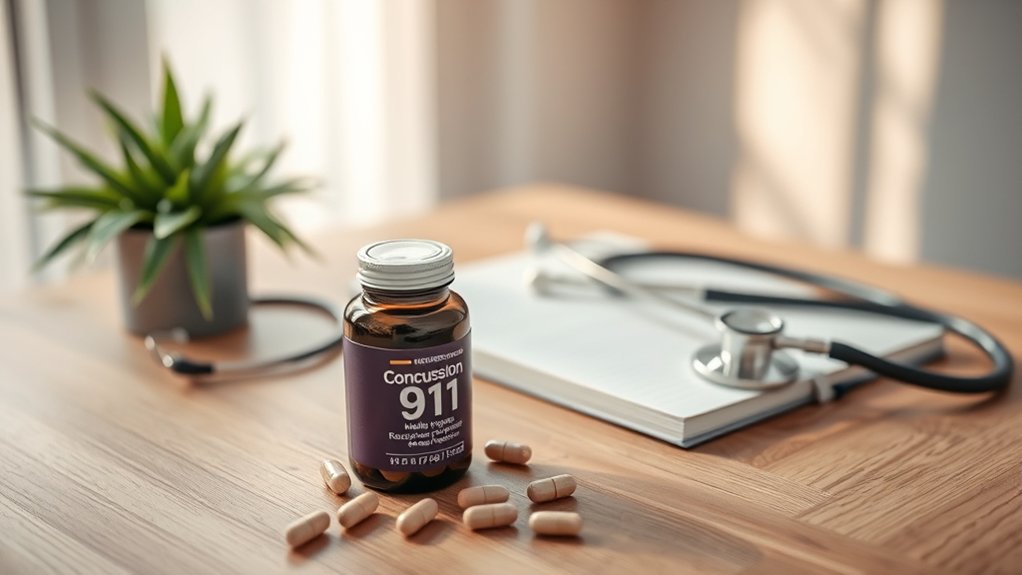
Concussion911 is a dietary supplement formulated to support brain health and aid recovery after a concussion or traumatic brain injury (TBI). It combines vitamins, minerals, and herbal extracts to promote cognitive function and reduce inflammation.
The formula targets neuronal repair, potentially improving symptoms like memory loss, concentration issues, and fatigue commonly linked to concussions.
As with all dietary supplements, Concussion911 isn’t intended to diagnose, treat, or cure any medical conditions. Instead, it serves as a complementary component within a broader recovery plan.
You should always consult a medical practitioner before starting Concussion911, especially if you’ve experienced a concussion or have other health concerns.
Following professional guidance guarantees safe and effective use aligned with your specific medical needs. It’s always best to have a healthcare provider involved to make sure the supplement fits your personal situation. That way, you’re taking the right steps toward recovery.
When Is Concussion911 Eligible for HSA Reimbursement?
You can use HSA funds for Concussion911, but only if a licensed healthcare provider prescribes it to treat a specific concussion-related condition.
To meet IRS standards, you’ll need a Letter of Medical Necessity that clearly documents this requirement.
It’s important to keep all your supporting documentation handy, just in case you need to verify eligibility during any potential audits.
This way, you’ll have everything you need to show that your purchase was qualified.
Medical Necessity Requirement
Although health savings accounts (HSAs) offer flexibility in covering medical expenses, you must have a licensed healthcare provider recommend Concussion911 for a specific medical condition, such as post-concussion syndrome, to qualify for reimbursement.
To meet the medical necessity requirement, you need a detailed Letter of Medical Necessity (LMN) from your provider. This letter must specify your diagnosis, your name, and clarify how Concussion911 addresses your condition, including treatment duration.
The supplement must be used to treat or prevent a diagnosed medical condition, not for general wellness, in line with IRS guidelines. Before submitting claims, it’s a good idea to consult your HSA benefits administrator to confirm eligibility based on your plan.
Without this documentation and compliance, Concussion911 won’t qualify for HSA reimbursement under regulatory standards.
Specific Condition Treatment
To qualify for HSA reimbursement, make sure your healthcare provider explicitly recommends Concussion911 to treat a diagnosed concussion-related condition. You need to get a Letter of Medical Necessity (LMN) from a licensed professional.
This letter should clearly state the specific condition and explain why Concussion911 is essential to your treatment plan.
This documentation is really important because without it, Concussion911 usually doesn’t meet IRS criteria for HSA eligibility as a general health supplement. So, double-check that the LMN details the medical justification for using Concussion911. It should link directly to your diagnosed condition.
Before submitting any claims, it’s a good idea to talk with your benefits administrator to confirm that you’re following your HSA’s policies. Sticking to these requirements will help make sure your Concussion911 expenses qualify for reimbursement under your HSA account.
What Medical Conditions Qualify Concussion911 for HSA Coverage?
To qualify Concussion911 for HSA coverage, you need to have a documented medical condition like post-concussion syndrome or other related neurological symptoms.
Your healthcare provider should give you a clear diagnosis along with a Letter of Medical Necessity explaining why this supplement is essential for your treatment.
Make sure to keep all your documentation on file.
This will help you meet regulatory requirements and support any reimbursement claims you may want to make.
Approved Medical Conditions
Anyone seeking HSA coverage for Concussion911 should understand that eligibility depends on its use for treating a diagnosed concussion or a related medical condition, as recommended by a healthcare provider.
To qualify, Concussion911 must be prescribed specifically for concussion symptom management or recovery.
General health or wellness uses don’t meet IRS criteria for HSA reimbursement. You’ll need a Letter of Medical Necessity (LMN) from a licensed professional documenting the diagnosed condition and medical justification for Concussion911.
This documentation guarantees HSA administrators recognize the expense as medically necessary.
Without clear linkage to an approved medical condition, Concussion911 won’t be eligible for HSA funds.
Diagnosis Requirements
Understanding which medical conditions qualify Concussion911 for HSA coverage directly impacts your ability to use funds appropriately.
To meet HSA eligibility, the supplement must be prescribed for a diagnosed condition, such as a concussion or post-concussion syndrome.
You’ll need a Letter of Medical Necessity (LMN) from a licensed healthcare provider that clearly states the medical necessity of Concussion911 for treating or alleviating symptoms related to your diagnosis.
Without this documentation, Concussion911 supplements typically don’t qualify under IRS guidelines.
Always consult your healthcare provider to obtain the LMN and confirm that your diagnosed condition justifies HSA reimbursement.
This way, you make sure your expenses comply with regulatory requirements and your HSA funds are used correctly for eligible medical treatments.
General Wellness vs. Medical Necessity for Concussion911 Supplements
Although Concussion911 supplements support brain health, you won’t qualify for HSA reimbursement unless a healthcare provider prescribes them for a specific medical condition. The IRS requires a Letter of Medical Necessity (LMN) to prove medical necessity, which is key for HSA eligibility.
Using these supplements for general wellness, like cognitive enhancement without a formal diagnosis, doesn’t meet the reimbursement criteria.
| Use Case | HSA Eligibility Requirement |
|---|---|
| General Wellness | No LMN, not eligible |
| Concussion Recovery | Requires LMN, eligible if documented |
| Other Medical Conditions | Requires LMN, eligible if documented |
To get reimbursed for Concussion911 supplements, you need to get an LMN from a licensed practitioner showing medical necessity.
Why Is a Letter of Medical Necessity (LMN) Crucial for Concussion911?
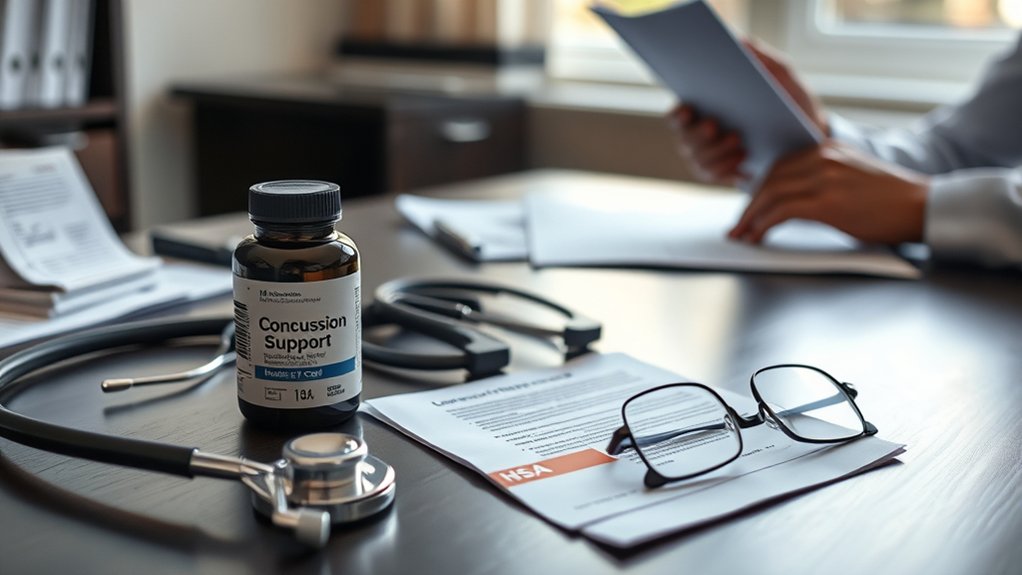
You need a Letter of Medical Necessity (LMN) to meet HSA documentation standards for Concussion911 reimbursement. This letter isn’t just a formality—it’s essential.
Your licensed healthcare provider has to clearly state the diagnosis and explain why the supplement is an important part of your treatment. Plus, their signature and credentials need to be on there.
It’s really important to keep this letter on file. Why? Because it helps with audit compliance and makes sure your claim is validated without any hassle.
Medical Documentation Requirements
Because most nutritional supplements aren’t automatically eligible for HSA reimbursement, you’ll need a Letter of Medical Necessity (LMN) to secure coverage for Concussion911. This medical documentation must be issued by a licensed healthcare provider, clearly stating the concussion diagnosis and explaining why Concussion911 is vital in your treatment plan.
The LMN should include the provider’s signature and credentials to validate its authenticity. Without this detailed documentation, your HSA administrator may deny reimbursement claims.
It’s important to keep the LMN on file, as it supports compliance with IRS regulations and helps if there are any audits or disputes. Properly prepared medical documentation makes the reimbursement process easier and guarantees Concussion911 meets the strict HSA eligibility criteria.
Physician’s Role Importance
When seeking HSA reimbursement for Concussion911, obtaining a Letter of Medical Necessity (LMN) from your physician is essential to establish the supplement’s medical necessity. This document, issued by a licensed healthcare provider, must clearly state your concussion diagnosis and explain why Concussion911 is a required part of your treatment plan.
Without an LMN, your HSA provider will likely deny reimbursement, as nutritional supplements generally need this documentation to verify medical necessity. The LMN should include the provider’s signature and credentials to meet regulatory standards.
It’s important to keep open communication with your healthcare provider. This way, the letter accurately reflects your condition and treatment needs.
Doing so will help streamline the HSA reimbursement process and give you a solid foundation for any future documentation reviews.
Audit and Compliance
Securing a Letter of Medical Necessity (LMN) not only supports your physician’s recommendation but also plays an essential role in meeting HSA audit and compliance requirements.
Since Concussion911 supplements aren’t automatically HSA eligible, the LMN justifies their medical use. This helps guarantee that reimbursement claims stand up to scrutiny.
Without this documentation, claims risk denial during audits or by benefits administrators. To maintain compliance and protect your HSA expenditures, confirm that the LMN:
- Is issued by a licensed healthcare provider
- Clearly details the specific medical condition treated
- Justifies the need for Concussion911 supplements as medically necessary
- Is retained for future audit purposes
This process safeguards your HSA eligibility and streamlines reimbursement claims. It also minimizes the risks of audits.
How to Get a Letter of Medical Necessity for Concussion911
To get a Letter of Medical Necessity (LMN) for Concussion911, you need to work with a licensed healthcare provider who can evaluate your concussion-related condition and determine if the supplement is medically appropriate.
The LMN must clearly state your diagnosis, explain why Concussion911 is recommended, and describe how it supports treatment or symptom management.
The LMN should detail your diagnosis, justify Concussion911 use, and explain its role in treatment or symptom relief.
Make sure the provider’s signature, credentials, and official letterhead are included. These elements are essential to meet HSA eligible reimbursement criteria.
After you get the LMN, keep copies for your records and submit it to your HSA administrator.
Before you purchase, double-check with your HSA provider that Concussion911 qualifies for reimbursement.
This precise documentation process helps guarantee your expenses follow regulatory requirements and supports successful claims under HSA rules.
How IRS Guidelines Affect Concussion911’s HSA Eligibility
Although the IRS allows Health Savings Account (HSA) funds to cover certain nutritional supplements, you have to meet strict criteria for Concussion911 to qualify.
The IRS guidelines say that supplements need to be prescribed for a diagnosed medical condition to be HSA eligible.
For Concussion911, this means getting a Letter of Medical Necessity (LMN) from a licensed healthcare provider is super important. This document must clearly state the medical purpose and necessity of the supplement for concussion recovery.
To guarantee HSA eligibility, consider the following:
- Confirm Concussion911 addresses a specific medical condition.
- Obtain an LMN detailing the medical need.
- Verify that the supplement aligns with IRS guidelines under Publication 502.
- Consult your benefits administrator to confirm plan-specific HSA coverage.
Following these steps helps you comply with IRS rules and secure reimbursement.
It’s worth taking the time to make sure everything’s in order!
Steps to Submit Concussion911 Expenses for HSA Reimbursement
When submitting Concussion911 expenses for HSA reimbursement, you’ll need a Letter of Medical Necessity (LMN) from a licensed healthcare provider. This letter should clearly state the medical justification for the supplement related to a concussion or related condition.
The LMN must include your name, diagnosis, and the recommended duration for supplement use to establish medical necessity.
The LMN must detail your name, diagnosis, and recommended supplement duration to confirm medical necessity.
Be sure to keep all purchase receipts as proof of payment. You’ll need to submit both the LMN and receipts to your HSA administrator.
Make sure to follow their reimbursement submission procedures carefully.
Before you start the process, it’s a good idea to confirm with your HSA administrator that Concussion911 qualifies for reimbursement under your specific HSA plan.
Eligibility can vary, so it’s best to check ahead of time. Following these steps helps ensure a compliant and efficient HSA reimbursement claim for Concussion911 expenses.
Common Documentation and Reimbursement Challenges for Concussion911
Since Concussion911 supplements require a detailed Letter of Medical Necessity (LMN) from a licensed healthcare provider, many individuals encounter challenges securing proper documentation. This LMN must explicitly state the medical condition, be signed by the physician, and include credentials to meet HSA eligibility standards. Without it, reimbursement claims often face denial.
Common documentation and reimbursement challenges include:
- Difficulty obtaining an LMN from providers unfamiliar with supplement HSA requirements.
- Insufficient detail in the LMN weakening reimbursement validity.
- Disorganized records, including missing receipts or LMNs, complicating claims and audits.
- Lack of proactive communication with healthcare providers about HSA-specific documentation needs.
Addressing these challenges demands precise documentation and adherence to regulatory guidelines. That way, you can guarantee successful HSA reimbursement for Concussion911.
Tips to Maximize HSA Benefits When Using Concussion911
To maximize your HSA benefits with Concussion911, you need a detailed Letter of Medical Necessity (LMN) from your healthcare provider. This letter should clearly state your diagnosis and explain the medical need for the supplement.
It’s essential to have this document to classify Concussion911 as an eligible expense under your HSA.
Be sure to keep all receipts and purchase documentation. These will support your reimbursement claims and help if you face any audits.
It’s a good idea to check with your HSA administrator to see if Concussion911 qualifies for coverage since eligibility can depend on your specific medical condition and plan rules.
Only use your HSA funds if the supplement is part of an approved treatment plan.
You should regularly review IRS guidelines and talk to healthcare professionals. This helps ensure you’re following HSA regulations about nutritional supplements and keeps you eligible for reimbursements.
Frequently Asked Questions
Can Concussion911 Be Used Alongside Other Concussion Treatments?
Yes, you can use Concussion911 alongside other concussion treatments as complementary therapies.
Many patient testimonials highlight its role in enhancing recovery when combined with standard care. However, efficacy studies recommend consulting your healthcare provider to guarantee safety and effectiveness.
Always monitor your symptoms closely and maintain communication with your medical team.
This approach guarantees Concussion911 supports, rather than replaces, traditional concussion management within a thorough recovery plan.
Are There Age Restrictions for Using Concussion911 Supplements?
You’ll find no strict age guidelines for Concussion911 supplements, but usage recommendations emphasize caution, especially for children.
Over 30% of concussion cases involve youth, so it’s essential you get parental consent and consult a healthcare professional before use. This approach guarantees safety and regulatory compliance.
Always follow medical advice closely, since individual responses can vary.
Professional oversight helps tailor the treatment effectively for younger users.
How Long Does It Take to See Effects From Concussion911?
You can expect symptom relief from Concussion911 within the first week, though the full recovery timeline typically spans 4-6 weeks.
User experiences vary; some notice mental clarity and improved focus sooner, while others require consistent use over several weeks to see benefits.
Clinical data supports gradual improvements as active ingredients accumulate, so maintaining regular intake is essential for ideal results and accurately evaluating your personal response to the supplement.
Stick with it, and give your body the time it needs to heal and respond.
Everyone’s different, but patience is key when using supplements like this.
Is Concussion911 Safe for Long-Term Use?
Concussion911’s long-term effects aren’t fully established due to limited safety studies.
While user testimonials often report positive outcomes, you should remain cautious about prolonged use. The supplement contains ingredients generally considered safe, but without extensive regulatory data, you can’t guarantee no adverse effects over time.
It’s essential you consult a healthcare professional for personalized advice and monitor your response closely if you plan to use it long term.
Better safe than sorry, right? Keeping an eye on how your body reacts is always a smart move.
Can Concussion911 Be Purchased Internationally With HSA Funds?
Yes, you can use HSA funds for international purchasing of Concussion911, but you must meet specific HSA regulations and eligibility criteria.
You’ll need a Letter of Medical Necessity from a licensed healthcare provider to justify the expense overseas.
Always confirm with your HSA administrator to verify compliance with IRS guidelines and your plan’s rules.
Keep detailed receipts and documentation to support your claim in case of audits or inquiries.
Conclusion
Navigating HSA eligibility for Concussion911 is like decoding a complex map. You need precision and the right paperwork.
Without a Letter of Medical Necessity confirming its use for a qualifying condition, your claim may not sail through IRS rules. Always document your medical need clearly. Follow submission steps carefully and keep detailed records.
By doing so, you maximize your chances of HSA reimbursement while staying firmly within regulatory guidelines. It’s all about being thorough and organized.