Is Creatine A Dietary Supplement? Benefits, Uses, and Side Effects Explained
Yes, creatine is a dietary supplement you can use to boost muscle energy and improve high-intensity exercise performance. It’s a natural compound found mainly in meat and fish, and supplements like creatine monohydrate increase muscle creatine stores by 20-40%.
Besides physical benefits, creatine may support brain function, especially under stress. Although it’s generally safe at recommended doses, some people should check with a doctor before using it.
Getting to know how creatine works and its effects can help you make informed choices. It’s always good to understand what you’re putting into your body.
What Is Creatine And How Does It Work?
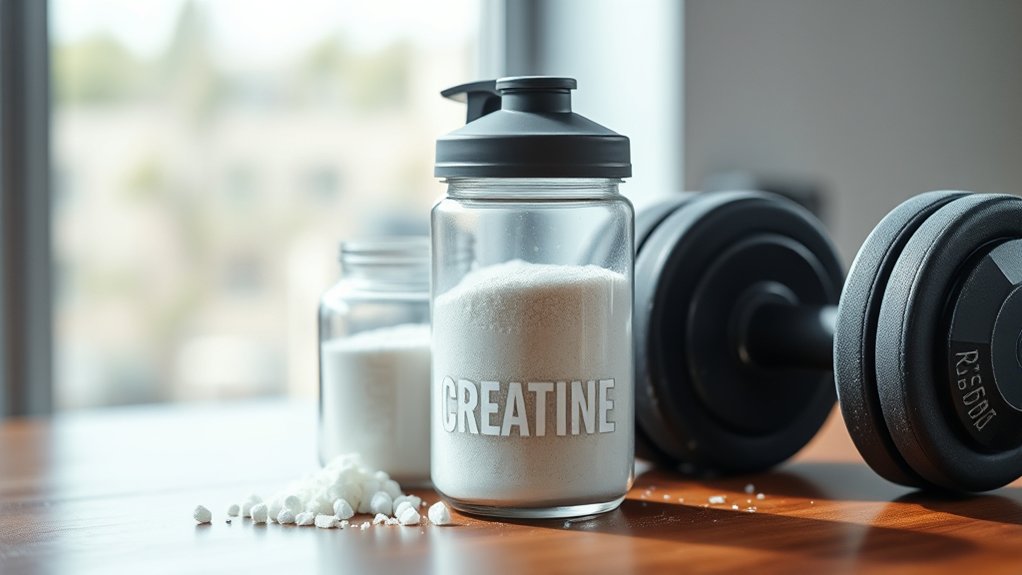
Creatine is a naturally occurring compound your body synthesizes from amino acids in the liver, kidneys, and pancreas. Most of it’s stored in skeletal muscle as phosphocreatine.
Creatine is a natural compound made from amino acids and stored mainly in muscles as phosphocreatine.
This storage form plays an essential role in regenerating adenosine triphosphate (ATP), which is the primary energy carrier in cells. This process is especially important during high-intensity exercise.
When you engage in such activities, creatine rapidly donates phosphate groups to replenish ATP. This supports muscle contraction and energy production.
By supplementing with creatine monohydrate, you can increase muscle creatine levels by 20-40%. This boost enhances your capacity for quick energy bursts.
As a dietary supplement, creatine is well-documented for its performance-enhancing effects, improving strength, power, and recovery in skeletal muscle without adverse effects when used appropriately.
Which Foods Naturally Contain Creatine And How Much?
You can naturally boost your creatine levels through your diet by consuming certain animal-based foods. Red meat and fish are rich sources, providing about 4-5 grams of creatine per pound. This makes them pretty effective for maintaining creatine levels.
Poultry, like chicken and turkey, contains a bit less creatine—around 3 grams per pound. Dairy products, such as milk, contribute modestly, offering about 0.1 to 0.2 grams per cup.
If you’re vegetarian or vegan, your baseline creatine levels might be lower since plant-based foods rarely contain creatine. While dietary supplements can help increase your intake, focusing on these natural food sources supports overall nutrition.
Knowing which foods have creatine helps you make smarter dietary choices to manage your creatine levels effectively.
Why Choose Creatine Monohydrate Supplements?

Although several forms of creatine exist, monohydrate stands out as the most researched and effective option for enhancing high-intensity, short-duration exercise performance.
When you choose creatine monohydrate supplements, you tap into proven performance enhancement that supports gains in muscle mass and boosts athletic performance.
Its safety and efficacy have been well established in healthy individuals, with minimal side effects, primarily temporary water retention in muscles.
You can follow recommended dosages of 3 to 5 grams daily, with an optional loading phase of 20 grams per day for 5 to 7 days to quickly saturate your muscle stores.
Beyond physical benefits, creatine monohydrate may also promote brain health, offering cognitive support especially under stress or in older adults.
How Does Creatine Affect Muscle Energy And Performance?
Building on the benefits of creatine monohydrate, understanding how it influences muscle energy and performance sheds light on why it’s so effective.
Creatine supplementation boosts your phosphocreatine stores, which serve as a vital energy source by rapidly regenerating ATP, the primary molecule your muscles use during high-intensity exercises. This process helps enhance your strength and overall performance, especially in short bursts like sprinting or weightlifting.
Starting with a loading phase of about 20 grams daily for 5-7 days can accelerate these benefits, followed by a maintenance dose of 3-5 grams per day.
Moreover, creatine supports faster recovery by reducing muscle damage after intense workouts.
Combined with resistance training, it contributes to increased muscle mass, making it a well-researched and effective supplement for improving muscular energy and performance.
What Are The Proven Benefits Of Creatine Supplements?

You can expect creatine supplements to boost your muscle strength, especially during high-intensity workouts.
Plus, research shows they might help support cognitive function, particularly in older adults.
Knowing these benefits makes it easier to decide if adding creatine to your routine is right for you.
Muscle Strength Enhancement
When you supplement with creatine, you can expect notable improvements in muscle strength, especially during high-intensity exercises lasting less than three minutes.
Creatine supplementation, particularly with creatine monohydrate, has consistently enhanced exercise performance in athletes across various populations.
By combining creatine with resistance training, you’ll also see small but meaningful increases in muscle mass.
Furthermore, creatine aids recovery by reducing immediate muscle damage after workouts. This helps you train more effectively.
The recommended dose for strength benefits typically involves a maintenance phase of 3-5 grams daily, with an optional loading phase of 20 grams per day for 5-7 days to accelerate results.
Cognitive Function Support
How does creatine impact your brain function beyond its well-known muscle benefits? Creatine supplementation may enhance cognitive function, especially in older adults and those experiencing mental fatigue. Studies suggest it improves memory and overall cognitive skills.
Vegetarians and individuals with lower baseline creatine levels often see more significant benefits. Initial research also points to potential protective effects against brain injury, particularly in children, though more evidence is needed.
While healthy young adults show limited improvements, some benefits appear under stress or fatigue. Ongoing research investigates creatine’s role in cognitive health, focusing on aging and neurodegenerative diseases.
As the science evolves, creatine supplementation could become a valuable tool for supporting brain health alongside its established muscle-related advantages.
What Are The Potential Side Effects Of Creatine?
Although creatine is widely regarded as safe for most users, it can cause some side effects, especially at higher doses. Common side effects of creatine supplementation include gastrointestinal discomfort, muscle cramping, and water retention, particularly during the loading phase.
Reports of kidney injury are rare and not confirmed in healthy individuals using recommended doses. Dehydration concerns are largely unsupported; in fact, creatine users often experience less cramping and dehydration than non-users.
Minor adverse effects like headaches may occur but usually resolve with continued use or dose adjustment.
| Side Effect | Notes |
|---|---|
| Gastrointestinal discomfort | Often linked to high doses or loading phase |
| Water retention | Causes temporary weight gain during loading phase |
| Kidney injury | No confirmed risk at recommended doses |
How Does Creatine Interact With Caffeine And Other Substances?
You should know that caffeine can reduce creatine’s effectiveness, especially if you consume a lot of it.
High caffeine intake might even cancel out the performance benefits you’d get from creatine.
Also, creatine might interact with other substances, so it’s a good idea to keep an eye on how much caffeine you’re having.
If you’re unsure, talking to a healthcare provider can give you personalized advice.
Research is still ongoing about these interactions, but playing it safe can help you avoid any unwanted effects.
Caffeine Impact On Creatine
While caffeine is widely consumed for its stimulating effects, it can influence how creatine works in your body, especially during high-intensity exercise. Research shows caffeine may reduce creatine supplementation’s effectiveness by impairing its performance-enhancing benefits. However, in healthy individuals, concerns about dehydration and muscle cramping when combining caffeine and creatine are largely unsubstantiated.
Still, monitoring caffeine intake is wise, as high doses might counteract creatine’s advantages. The interaction remains complex, requiring further research to fully understand how caffeine impacts creatine’s role in athletic performance.
| Factor | Impact of Caffeine on Creatine | Notes |
|---|---|---|
| Performance Effectiveness | May reduce | Needs more research |
| High-Intensity Exercises | Potential impairment | Particularly relevant |
| Dehydration | Minimal risk for healthy users | Common concern but mostly debunked |
| Muscle Cramping | Low risk | Evidence does not strongly support |
| Disease Interaction | Faster progression in Parkinson’s | Specific to certain conditions |
Other Substance Interactions
Because creatine interacts with various substances, understanding these relationships helps you optimize its benefits and avoid potential risks. When considering creatine supplementation, keep these key points in mind:
- High caffeine intake may reduce creatine’s effectiveness in enhancing performance.
- Some research suggests combining caffeine and creatine could worsen Parkinson’s disease symptoms, so monitoring is essential for affected individuals.
- Individual responses vary, so you should assess how your body reacts to creatine and other substances.
- Limited research exists on creatine’s interactions beyond caffeine, highlighting the need for further investigation.
Just remember, everyone’s different, so what works for one person mightn’t work the same for you.
It’s always a good idea to pay attention to how your body feels and responds when combining creatine with other substances.
And since there’s still a lot we don’t know, staying informed and cautious is the way to go.
Who Should Consult A Healthcare Provider Before Taking Creatine?
When should you consult a healthcare provider before taking creatine? If you have pre-existing kidney or liver conditions, it’s crucial to seek medical advice because there’s limited safety data.
Pregnant or breastfeeding women should also check with a healthcare provider since there isn’t enough evidence on creatine’s safety during these times.
If you have diabetes, it’s a good idea to talk about creatine supplementation with your healthcare provider since it might affect glucose metabolism.
People with bipolar disorder should also consult before using creatine, as it could increase the risk of mania.
Older adults and those with muscle-affecting diseases need medical guidance too.
Research on creatine’s safety and effectiveness for these groups is still limited.
What Happens When You Stop Taking Creatine?
When you stop taking creatine, your muscle phosphocreatine levels start to drop. This means your quick energy supply during intense exercise might take a hit. You could notice a temporary dip in strength and feel more tired as your body adjusts back to its natural creatine levels.
On top of that, your muscle mass might shrink a bit, mostly because there’s less water retention in your muscles.
But how much this happens really depends on things like your diet, how active you are, and your genetics. So, it’s a bit different for everyone.
Physiological Changes After Discontinuation
Although creatine supplementation boosts muscle energy stores, stopping its use causes a gradual decline in muscle creatine levels. This can reduce your capacity for high-intensity exercise.
When you stop taking creatine, you might notice a few physiological changes. First, there’s reduced energy availability because of lowered phosphocreatine in muscles, which impacts short bursts of effort. You may also experience increased fatigue and decreased performance in strength and power activities.
Another thing is the loss of water retention, which causes a drop in muscle weight that’s mostly water, not fat. Plus, there could be a potential decline in muscle mass, especially if you don’t keep up with resistance training and proper nutrition.
On top of that, your body’s natural creatine production might slow down temporarily. It takes some time for it to rebalance.
Knowing these changes can help you manage your expectations and make the most of your training during and after creatine use.
Impact On Muscle Performance
Since creatine supplementation increases your muscle phosphocreatine stores, stopping its use typically leads to a noticeable decline in your ability to produce quick energy during high-intensity exercise.
This reduction in the body’s capacity for rapid energy production often results in a decline in performance and strength, especially in short-duration, high-intensity exercises.
You may also experience increased fatigue and some muscle loss as your body adjusts to lower creatine levels.
Furthermore, the natural production of creatine may temporarily decrease, which can prolong recovery of muscle performance.
However, research shows that within several weeks, your muscle mass and strength generally return to baseline levels as your body normalizes creatine production.
Understanding these effects helps manage expectations when discontinuing creatine supplementation.
What Factors Affect How Well Creatine Works For You?
Because several factors influence how well creatine works for you, understanding these variables can help maximize its benefits.
Creatine supplementation effectiveness varies based on your individual genetics, which affect how your body metabolizes creatine and your muscle response.
Your dietary habits also play a role. Vegetarians and vegans often see greater performance gains due to lower baseline creatine levels.
Furthermore, creatine is most effective during high-intensity activities rather than endurance exercises.
Consider these key factors:
- Individual genetics influence muscle response to creatine.
- Dietary habits: lower creatine intake means more noticeable benefits.
- Exercise type: best results come from high-intensity, short-duration efforts.
- Timing and dosage: taking 3-5 g/day and staying hydrated supports water retention and optimizes results.
Frequently Asked Questions
How Should Creatine Supplements Be Stored for Best Results?
You should store creatine supplements in airtight containers to maintain packaging integrity and prevent moisture exposure risks.
Keep them in cool, dry storage conditions at an ideal temperature, away from direct sunlight to avoid light damage and preserve product stability.
Following user guidelines guarantees you maximize shelf life.
Avoid humid environments, as moisture control is essential for preventing clumping and spoilage.
This helps you maintain the supplement’s efficacy for best results.
Can Creatine Be Taken by Vegetarians or Vegans?
You might be surprised to learn creatine is ideal for vegetarians and vegans. Since natural creatine sources come mainly from animal products, you can benefit from supplementation to boost muscle recovery and performance enhancement.
Creatine monohydrate is safe and effective, with clear dosage guidelines supporting nutritional balance.
While plant-based alternatives exist, they’re less studied.
Always consider long-term effects and consult a healthcare provider to optimize athletic performance safely.
What Is the Recommended Creatine Loading Phase, if Any?
For the recommended creatine loading phase, follow a loading protocol of 20 grams daily, split into 4 doses, for 5-7 days to maximize muscle gain and athletic performance quickly.
After that, switch to a maintenance dose of 3-5 grams daily. Timing strategies matter less than consistency.
Make sure to monitor hydration needs and watch out for potential side effects like water retention.
Cycling creatine isn’t necessary for long-term use, but individual response varies. So, adjust accordingly based on how your body reacts.
Are There Different Types of Creatine Besides Monohydrate?
Yes, you’ll find several creatine sources beyond monohydrate, like creatine citrate, ethyl ester, malate, and buffered creatine.
While these alternatives claim better absorption or benefits, research supports monohydrate for effectiveness, safety, and cost.
Understanding creatine myths helps you optimize timing, dosage, and cycles for best results.
Also, staying hydrated is essential when supplementing.
Stick with creatine monohydrate for proven benefits rather than less-supported alternatives.
How Long Does It Take to Notice Creatine’s Effects?
Like dawn breaking after a long night, you’ll notice creatine benefits within 1 to 4 weeks.
With proper dosage timing, starting with a loading phase, you’ll boost muscle recovery, hydration levels, and athletic performance faster.
Your absorption rate and workout intensity influence results. Weight gain and side effects usually stay minimal.
Stick to maintenance doses for long term effects, and you’ll see consistent strength gains without surprises.
Conclusion
Now that you know how creatine works and its benefits, you might wonder if it’s right for you. While many see gains in muscle energy and performance, the full impact depends on your unique body and habits.
Before you plunge into it, consider how it interacts with other substances and whether you should consult a healthcare provider. The decision isn’t just about supplements. It’s about what truly supports your health and goals.