How Much Protein Supplement Is Too Much Expert Recommendations
You’re taking too much protein supplement if you experience digestive issues like bloating or gas, fatigue, or hair loss. Also, watch out if protein makes up over 35% of your daily calories. Excessive protein can strain your kidneys and disrupt nutrient balance.
Aim for 1 to 2 servings daily, balanced with whole foods, and spread your intake throughout the day. Managing your protein wisely supports health and performance. Plus, understanding timing and sources can further optimize your intake.
What Is Protein Powder And Why Use It?
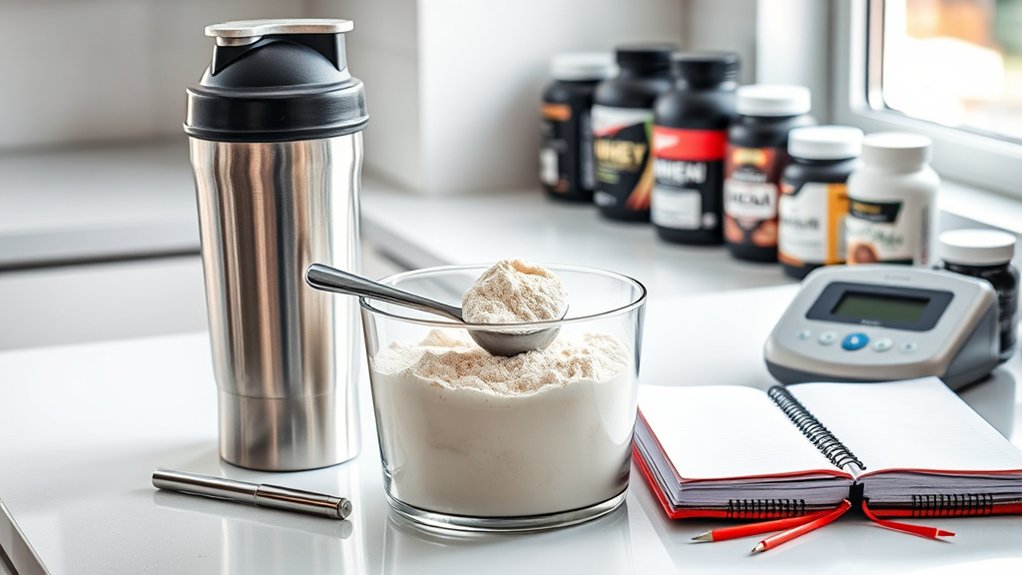
Protein powder is a concentrated protein source derived from ingredients like whey, casein, soy, or peas, providing about 20 to 30 grams of protein per scoop. You might use protein powder to conveniently boost your protein intake, especially if you struggle to meet your needs through whole foods alone.
Athletes and individuals with dietary restrictions often rely on these dietary supplements to support muscle growth and recovery after workouts.
While protein powder offers an efficient protein source, it’s important to prioritize whole foods. They deliver additional nutrients and promote fullness.
Remember, not all protein powders are created equal. Some contain added sugars or artificial ingredients, so always check for quality certifications.
Using protein powder wisely helps you meet your protein goals without compromising overall nutrition. It’s a handy tool but works best when combined with a balanced diet.
Recommended Daily Protein Powder Intake
You should aim for about 1 to 2 servings of protein powder each day. Each scoop typically gives you around 20 to 30 grams of protein, but that can vary depending on how active you’re and what your dietary needs look like.
Just keep in mind, protein from supplements is meant to complement the protein you get from whole foods. It’s best not to let it make up more than 10 to 35% of your total daily calories.
Staying within these limits can help you avoid digestive issues and keep your nutrition balanced.
Daily Protein Limits
How much protein powder should you actually consume each day to meet your needs without overdoing it? Your daily protein needs depend on your body weight and activity level, measured in grams per kilogram. While protein supplements can help, relying too heavily on them may lead to excessive protein intake. This can cause digestive issues and means you might be neglecting whole foods.
Aim for 10-35% of daily calories from protein. It’s important to balance supplements with real food to get the best results.
| Activity Level | Protein (g/kg) | Approximate Daily Protein (g) |
|---|---|---|
| Sedentary | 0.8 | 46 (women), 56 (men) |
| Active | 1.0 – 1.2 | 58 – 84 |
| Athlete (high) | 1.5 – 2.0 | 84 – 112 |
| Protein Powder Servings | 1-2 servings | 20-60 (from supplements) |
Balance protein intake wisely to avoid excess and support your overall health. It’s all about finding the right mix that works for you.
Protein Powder Servings
Finding the right amount of protein powder to include in your daily routine depends largely on your activity level and overall protein needs. Typically, 1-2 servings of protein powder per day, providing 20-30 grams per scoop, suffice for most people.
If you’re active, aiming for 25 to 50 grams per day of protein powder helps meet increased protein needs.
Keep in mind, protein should make up 10-35% of your total daily calories to maintain nutrient balance.
Consuming protein powder beyond recommended amounts risks overconsumption, which may cause digestive issues and displace essential nutrients found in protein from whole foods.
Whole Foods Priority
Although protein supplements can conveniently boost your intake, whole food sources should remain your primary focus. Whole foods like lean meats, dairy, legumes, and nuts deliver essential vitamins and minerals that protein powders often lack. These nutrients support overall health and help keep your dietary protein balanced.
For most adults, protein consumption should make up 10–35% of daily calories. An average sedentary adult needs about 0.8 grams per kilogram of body weight. Protein powders can complement your protein diet, with a recommended 1–2 servings per day. Each serving provides 20–30 grams of protein.
However, relying too heavily on supplements can cause digestive issues and nutrient gaps. It’s better to prioritize protein from food to meet your Recommended Dietary Allowance, which is 46 grams for women and 56 grams for men.
This way, you ensure a nutrient-rich, balanced approach to protein consumption.
Signs You’re Taking Too Much Protein Powder
What happens when you consume too much protein powder? Excess protein intake often leads to digestive issues like bloating and gas. These symptoms signal that your body is struggling to process the overload.
Signs of protein overconsumption also include fatigue, hair loss, and a weakened immune system. These point to nutrient imbalances from relying too heavily on supplements instead of whole foods.
It’s important to remember that whole foods offer a wider range of nutrients your body needs.
When protein exceeds 35% of your daily calories, it may strain kidney function, especially if you have pre-existing conditions. Also, a high protein diet can elevate blood lipid levels, increasing your risk of heart disease.
So, it’s a good idea to keep an eye on how much protein powder you’re taking.
To avoid these risks, monitor your protein powder intake carefully. Prioritize a balanced diet rich in varied nutrients. That way, you’ll support your health without overdoing it on protein supplements.
Health Effects Of Protein Powder: Kidneys, Liver, And Bones

When you consume protein powder within recommended limits, your kidneys, liver, and bones typically function without any adverse effects. Research shows high protein intake doesn’t harm kidney function or the liver in healthy individuals. In fact, protein supports bone health by improving bone density and reducing osteoporosis risk.
However, exceeding 1.5 grams per pound of body weight may cause digestive issues, not organ damage. Balance is key to avoid nutrient gaps.
| Organ | Effect of Protein Powder | Notes |
|---|---|---|
| Kidneys | No negative impact on function | Healthy kidneys tolerate well |
| Liver | Efficiently metabolizes protein | No evidence of damage |
| Bones | Supports bone density | Reduces osteoporosis risk |
Picking A Safe, Trusted Protein Powder
How can you be certain the protein powder you choose is both safe and effective? Start by prioritizing products that undergo third-party testing by organizations like NSF International or USP. These certifications confirm adherence to rigorous safety standards.
When selecting a protein powder, consider these key points: verify third-party testing to guarantee quality and safety. Check labels for added sugars and allergens that may affect your health.
Opt for 20 to 30 grams of protein per scoop for effective supplementation. Also, confirm the protein source aligns with your dietary needs, whether that’s whey, soy, pea, or something else.
And remember, protein powder should supplement, not replace, whole food sources packed with essential nutrients.
Following these guidelines helps you pick a trustworthy protein powder that supports your fitness goals safely and effectively.
Why Protein Powder Should Complement Whole Foods
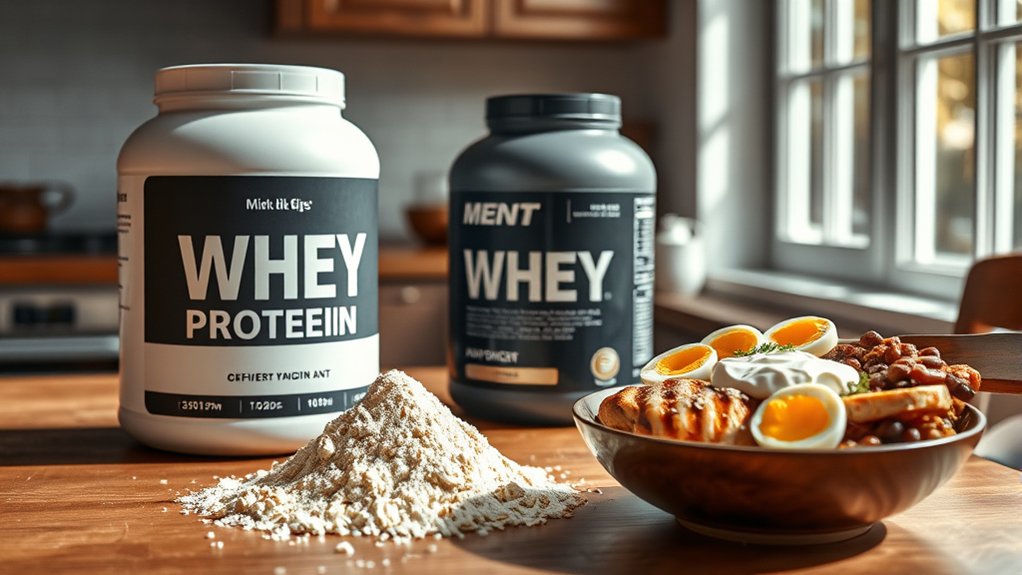
Although protein powders offer a convenient way to supplement your diet, they shouldn’t replace whole foods. Whole foods provide essential vitamins, minerals, and fiber that protein powders just don’t have.
Foods like eggs, fish, and legumes deliver a diverse range of nutrients that help with digestion and keep you feeling full. Protein powder alone can’t fully provide those benefits.
Getting most of your protein from whole foods helps you maintain a balanced diet. It also lowers the risk of nutrient deficiencies that can happen if you rely too much on supplements.
Protein powder can be a useful addition—usually 1 or 2 servings a day is enough. But it’s important to remember it’s a supplement, not a substitute.
Focusing on whole foods ensures you get complete nutrition, supporting your overall health beyond just meeting protein needs.
How To Balance Protein Powder With Whole Food Sources
You should combine protein powder with nutrient-dense whole foods like lean meats and legumes to get a balanced intake of essential vitamins and minerals.
It’s a good idea to spread your protein intake across three meals each day to support muscle maintenance and overall health.
Also, try to keep protein powder to just 1-2 servings daily. That way, you meet your needs without letting it take over your whole food sources.
Combining Protein Sources
When aiming to meet your protein needs, balancing protein powder with whole food sources guarantees you get a wider range of essential nutrients. Whole foods deliver vitamins, minerals, and longer satiety that protein powders often lack.
Combining both supports muscle repair and growth, especially after workouts. To optimize your intake, consider these points:
- Use 1–2 servings of protein powder daily alongside whole food sources.
- Prioritize lean meats, dairy, legumes, and plant-based proteins to cover diverse amino acids.
- Whole foods aid in meeting 10–35% of your total calorie intake from protein.
- Combining sources promotes better muscle recovery than relying on supplements alone.
- Whole food proteins provide additional nutrients crucial for overall health.
This balanced approach guarantees you meet your protein needs effectively without overdependence on supplements.
It’s all about mixing things up to get the best results.
Prioritizing Nutrient Density
Anyone looking to optimize their protein intake should prioritize nutrient-dense whole foods like lean meats, fish, legumes, and dairy. These whole food sources provide essential vitamins and minerals beyond what protein powder’s isolated nutrients offer.
Aim to get most of your protein per day from whole foods, limiting protein powder to 1–2 servings daily (20–30 grams each). Balancing these sources helps meet your protein needs without risking excess amounts that might impact health conditions.
| Protein Source | Approximate Protein (grams) per Serving |
|---|---|
| Lean Meat | 25–30 |
| Fish | 20–25 |
| Legumes | 15–20 |
| Dairy (Greek Yogurt) | 15–20 |
| Protein Powder | 20–30 |
Regularly assess your intake to maintain balanced protein levels. It’s a good habit to keep an eye on how much you’re getting so you stay on track.
Timing Protein Intake
Although meeting your daily protein target is essential, spreading your intake evenly across meals can greatly enhance muscle protein synthesis and nutrient absorption. When timing protein intake, aim for 20-30 grams per meal, combining protein powder with whole food sources to maximize muscle mass gains and overall health.
To balance protein powder with whole foods effectively, consume protein supplements within 30 minutes post-workout for ideal recovery. Include lean meats, dairy, and legumes alongside supplements. Distribute protein evenly to support muscle retention and metabolic function.
Make sure you consume enough protein daily without relying solely on powders. Use whole foods for vitamins and minerals that supplements may lack.
This approach helps you meet your protein needs while promoting muscle growth and nutrient diversity.
Timing Your Protein Powder Intake For Best Results
Since muscles are most receptive to protein synthesis shortly after exercise, consuming protein powder within 30 minutes post-workout can greatly enhance muscle recovery and growth.
To maximize benefits, spread your protein intake evenly throughout the day, including a source at each meal. Aim for 20–30 grams per serving to guarantee sufficient amino acid delivery.
Timing your protein powder intake around workouts, especially post-workout, is vital for muscle recovery. Consuming protein before bed may also support overnight muscle repair.
| Timing | Protein Intake (grams) | Benefit |
|---|---|---|
| Post-Workout | 20–30 | Optimizes muscle recovery |
| Throughout Day | 20–30 per meal | Maintains muscle synthesis |
| Before Bed | 20–30 | Enhances overnight repair |
Common Digestive Issues From Too Much Protein Powder
When you consume more protein powder than your body can effectively process, you increase the likelihood of experiencing digestive issues such as bloating, gas, and diarrhea. Overconsumption can overwhelm your digestive system, leading to gastrointestinal discomfort.
If you’re lactose-intolerant, dairy-based protein powders may worsen symptoms. Plant-based powders might trigger bloating or cramping if you’re sensitive to specific allergens or FODMAPs. Excess protein may also impair nutrient absorption, causing imbalances.
Common digestive issues from too much protein powder include:
- Bloating and gas due to fermentation of undigested protein
- Diarrhea from excess protein irritating the gut
- Gastrointestinal discomfort linked to lactose intolerance
- Cramping caused by plant-based protein allergens
- Reduced absorption of essential vitamins and minerals
Monitoring your intake helps prevent these complications and supports digestive health. It’s a good idea to listen to your body and adjust how much protein powder you use accordingly.
When To Talk To Your Doctor About Protein Intake
If you start feeling unusually tired, dealing with digestive issues, or noticing more hair loss than usual, it might be a good idea to chat with your doctor about how much protein you’re getting.
And if you have kidney problems or any other health concerns, definitely check in with a healthcare professional before changing your diet a lot.
Getting advice that’s tailored just for you helps make sure you’re getting enough protein without going overboard.
Signs Of Excess Intake
Although protein is essential for your health, consuming too much can lead to noticeable signs that shouldn’t be ignored. Excessive protein intake, over 2 grams per kilogram of body weight, may cause protein overload and various health issues.
You should watch for signs of overconsumption such as digestive discomfort including bloating, gas, or diarrhea.
Also, keep an eye out for increased fatigue and mood swings. Hair loss or thinning might happen too.
Frequent cravings for carbohydrates can be another clue.
And if you’re consistently getting more than 35% of your total calories from protein, that’s a sign to slow down.
If you experience any of these symptoms, it’s a good idea to talk to a doctor or dietitian.
Early intervention can help prevent complications and make sure your protein intake supports your overall well-being.
Preexisting Health Conditions
Since protein intake directly affects various bodily functions, individuals with preexisting health conditions should consult a healthcare professional before making significant changes to their protein consumption. If you have preexisting kidney disease or liver conditions, excess protein can strain these organs.
Diabetes requires careful protein management to avoid blood sugar complications. Gastrointestinal issues may worsen with inappropriate protein types or amounts. Seeking medical advice guarantees your protein intake supports your health safely.
| Condition | Why Medical Advice Matters |
|---|---|
| Preexisting kidney disease | Prevents kidney strain and function decline |
| Diabetes | Helps regulate blood sugar and metabolism |
| Gastrointestinal issues | Avoids symptom exacerbation |
Always prioritize your health by discussing protein intake with your doctor. It’s the best way to make sure you’re doing what’s right for your body.
Personalized Protein Recommendations
When should you talk to your doctor about your protein intake? Personalized protein recommendations depend on factors like age, activity, and health needs.
While the recommended dietary allowance (RDA) is 46 grams for women and 56 grams for men per day, active people may need 1.1 to 1.5 grams of protein per kilogram of body weight per day.
It’s a good idea to consult your doctor if you notice symptoms or have conditions that affect your protein needs.
Consider talking to your doctor if you’re experiencing fatigue, hair loss, or frequent infections.
Also, if you’re recovering from surgery or managing a chronic illness, it’s worth checking in with a professional.
You might also want to talk to your doctor if you’re unsure about consuming too much protein or if you’re adjusting your protein intake for weight management or muscle gain.
If you’re concerned about nutrient imbalances or digestive issues, don’t hesitate to seek guidance.
Professional advice makes sure your protein intake fits your unique health needs.
Frequently Asked Questions
Can Protein Powder Help With Weight Loss Alone?
Protein powder alone won’t guarantee weight loss because effective weight loss depends on overall dietary balance and calorie control.
While increased protein intake can boost metabolism and improve hunger control, relying solely on protein powder as a meal replacement may lead to nutrient gaps.
To optimize weight loss, combine protein supplements with a balanced diet and regular exercise. This approach supports muscle preservation and sustainable fat loss, rather than quick fixes.
Are Plant-Based Protein Powders as Effective as Animal-Based Ones?
You’ll find plant protein vs. animal sources both effective for workouts when you consider amino acid profiles and digestion rates.
Plant-based powders, especially when combined, offer complete amino acids, supporting muscle growth comparably to animal protein.
Nutrient absorption varies, but plant options often provide extra fiber and antioxidants.
Plus, they’ve a lower environmental impact.
How Does Protein Powder Affect Muscle Recovery After Workouts?
You can boost muscle repair by consuming 20 to 30 grams of protein powder within two hours after your workout. This helps reduce recovery time quite a bit.
Protein timing is really important, especially after intense workout sessions. It enhances nutrient absorption and stimulates muscle protein synthesis.
Make sure to adjust your supplement dosage based on your body weight and training demands. This way, you get the most recovery benefits without overdoing it.
Taking this evidence-based approach helps you recover faster and build strength more efficiently. It’s a smart move for getting the most out of your workouts.
Can Children Safely Consume Protein Supplements?
You can introduce protein supplements to children cautiously, but you must prioritize dietary sources first to meet their protein needs during growth stages.
Safety concerns come up if supplements replace balanced meals or go beyond the recommended intake.
If your child is into sports, supplements might help with performance.
Still, it’s important to check with a healthcare professional to make sure it fits your child’s individual needs and won’t cause nutrient imbalances or digestive issues.
At the end of the day, whole foods are always the best option. They provide a variety of nutrients that supplements just can’t match.
Do Protein Powders Contain Allergens or Artificial Additives?
Protein powders can be a hidden minefield of allergen sources and artificial sweeteners that might disrupt your health.
If you have dietary restrictions, you’ll want to scrutinize label transparency closely to avoid digestive issues caused by dairy, soy, or gluten.
Prioritize products with proven protein purity through third-party testing to guarantee safety.
Conclusion
So, how much protein powder is too much for you? It’s essential to stick to recommended amounts, listen to your body, and balance supplements with whole foods. Overdoing it can strain your kidneys, liver, and digestion, so watch for warning signs.
Choosing a trusted brand and timing your intake properly can optimize benefits without risks. When in doubt, consulting your doctor guarantees you’re fueling your body safely and effectively.