Should I Take A Collagen Supplement? Benefits, Risks, and Results Explained
You might consider taking a collagen supplement if you want to support your skin, joints, and connective tissues, especially as natural collagen declines with age. Supplements can improve skin elasticity, hydration, and joint comfort.
That said, lifestyle factors like diet, sun protection, and avoiding smoking also play a big role in keeping your collagen healthy. Choosing high-quality, hydrolyzed collagen is key for better absorption.
To understand how supplements fit your health needs and lifestyle, there’s more valuable information ahead. Let’s dive in!
What Is Collagen and Why Does It Matter?

Although you mightn’t hear much about it daily, collagen plays an essential role in your body’s structure and function. As the most abundant protein, collagen forms about 30% of your total protein and acts as a critical building block for skin, muscles, bones, and connective tissues.
Collagen, the body’s most abundant protein, is vital for skin, muscles, bones, and connective tissue integrity.
It makes up 70% to 80% of your skin tissue, maintaining elasticity and firmness, which is crucial for reducing wrinkles. Your body synthesizes collagen from amino acids obtained through protein-rich, collagen-rich foods and a healthy lifestyle.
Supporting collagen production requires nutrients like vitamin C, zinc, and copper. Maintaining adequate collagen levels helps preserve skin health and overall tissue integrity.
That’s why understanding collagen’s role is key before considering supplements or lifestyle changes.
How Does Collagen Production Change With Age?
You start losing about 1% of your collagen each year after your early 20s.
For women, this decline becomes sharper after menopause. By the time you hit 60, this slowdown plays a big role in wrinkles and joint problems.
And it’s not just age that affects collagen loss.
Habits like smoking and spending too much time in the sun can speed up the process, impacting your skin and overall health even more.
Age-Related Collagen Decline
As you age, your body’s collagen production declines at a rate of about 1% per year starting around age 20. This gradual reduction affects your connective tissue, leading to decreased skin elasticity and the visible signs of aging skin, such as wrinkles and sagging.
After menopause, women can experience a sharp drop in collagen levels, losing up to 30% of skin collagen within five years. This makes those effects even more noticeable.
Reduced collagen also weakens muscles and joints, which can cause joint pain and increase the risk of osteoarthritis.
Collagen supplementation might help counteract some of these age-related changes by supporting collagen production and keeping your tissues strong.
Understanding this natural decline helps you make informed decisions about managing aging skin and joint health more effectively.
Lifestyle Impact on Collagen
Because lifestyle choices directly influence collagen production, understanding their impact is essential for preserving your skin and joint health.
As you age, collagen production decreases naturally, but lifestyle factors like excessive sun exposure, smoking, and high sugar intake can accelerate this decline.
Maintaining a balanced diet rich in protein and vitamin C supports collagen synthesis and helps counteract aging effects. Prioritizing skin hydration also aids collagen maintenance.
Women, especially post-menopause, face a sharper reduction in collagen, making these lifestyle choices even more critical.
While collagen supplements can help, they work best alongside healthy habits. By managing these lifestyle factors, you can slow collagen loss, reduce wrinkles, and support joint and digestive health.
Ultimately, this will improve your overall well-being as you age.
What Are Collagen Supplements and How Do They Work?

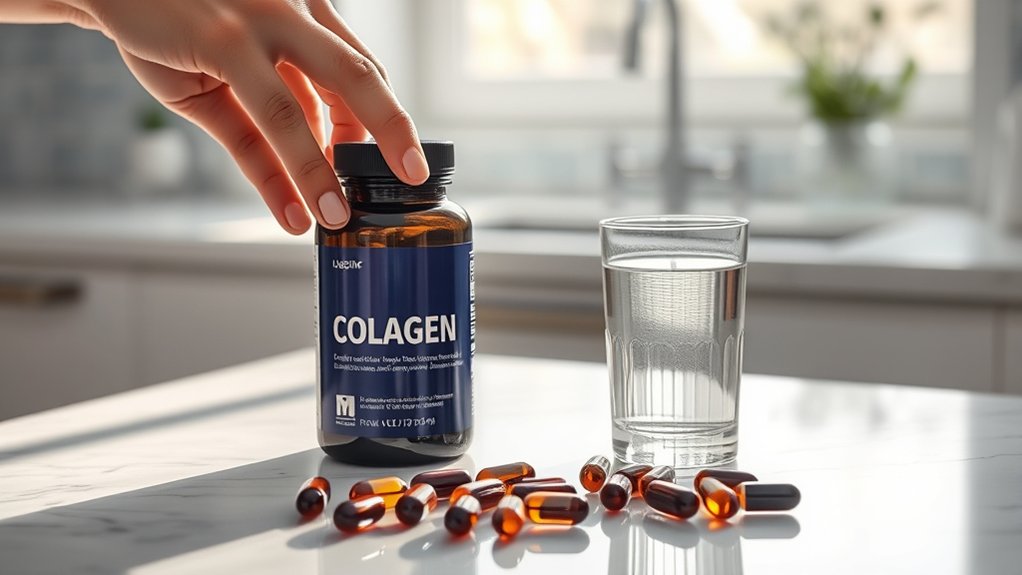
Although collagen supplements come primarily in hydrolyzed powder or pill forms derived from animal connective tissues and bones, they require your body to break them down into smaller peptides for absorption.
Your body produces collagen naturally by assembling amino acids obtained from your diet. Hydrolyzed collagen in supplements provides collagen peptides intended to support this process.
Some studies suggest these peptides may improve skin hydration and elasticity, but evidence is limited and often industry-funded.
It’s important to note that collagen supplements aren’t regulated by the FDA, so quality and effectiveness vary.
Often, a balanced diet rich in protein can supply all the necessary amino acids for your body’s collagen production without needing supplements.
Understanding this helps you make informed decisions about adding collagen supplements to your routine.
What Benefits Can Collagen Supplements Provide?
What can collagen supplements actually do for your body? Research shows that collagen supplements can lead to improved skin by boosting moisture levels, elasticity, and firmness. This helps reduce wrinkles and gives your skin a healthier look.
Collagen peptides play a key role in supporting joint health, potentially easing pain and stiffness, especially for people with osteoarthritis. These supplements may also enhance nail health by decreasing brittleness.
Furthermore, collagen supports structural support for your skin, joints, and bones by promoting collagen synthesis within your body. Some studies suggest that collagen supplements combined with resistance training might increase muscle mass and strength.
Are Collagen Supplements Safe? Risks and Considerations
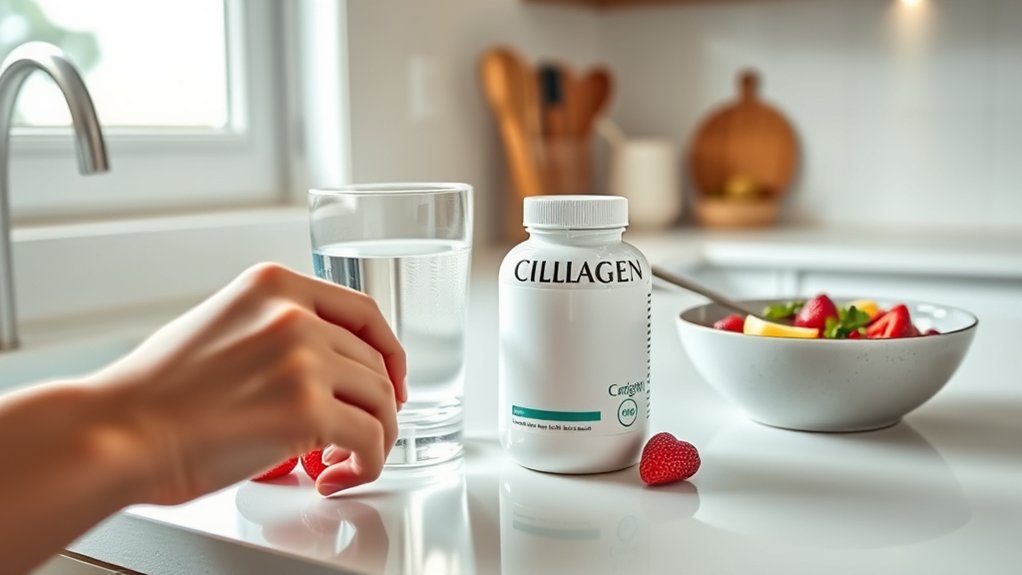
While collagen supplements offer promising benefits for skin, joints, and muscle health, it’s important to evaluate their safety before adding them to your routine.
Collagen supplements aren’t regulated by the Food and Drug Administration, which raises concerns about purity and potential contaminants like heavy metals. Limited studies exist on their safety and effectiveness, so you should weigh risks and considerations carefully.
Some people may experience side effects such as allergic reactions or gastrointestinal issues, particularly if sensitive to animal sources.
To reduce risks, look for products with third-party testing to guarantee quality and ingredient accuracy.
Above all, consult a healthcare professional before starting collagen supplements, especially if you have pre-existing health conditions or concerns.
How Soon Can You Expect Results From Collagen Supplements?
How quickly you see results from collagen supplements depends on several factors, including your age, health, and the specific benefits you’re targeting. Typically, improvements in skin elasticity and hydration appear within 4 to 12 weeks of consistent use of collagen peptides.
However, benefits related to joint pain and function may require several months. Individual factors like overall health and diet also influence how noticeable these results are. Maintaining improvements usually involves ongoing supplementation.
| Benefit Area | Typical Timeframe | Notes |
|---|---|---|
| Skin Elasticity | 4-8 weeks | Improved hydration and texture |
| Joint Health | 8-12+ weeks | Requires consistent use |
| Overall Health | Varies | Depends on individual factors |
| Maintenance | Ongoing | Needed to sustain results |
Top Foods to Naturally Boost Collagen Production
Because your body relies on specific nutrients to produce collagen, including certain foods in your diet can greatly enhance natural collagen synthesis. To boost collagen production effectively, focus on these key foods:
- Bone Broth and Chicken: Both are rich in collagen and amino acids, providing direct building blocks for collagen synthesis.
- Egg Whites: High in proline, an amino acid essential for collagen production, egg whites support your body’s collagen formation.
- Vitamin C-Rich Fruits and Vegetables: Foods like oranges, strawberries, and leafy greens provide vitamin C, which is vital for stabilizing and synthesizing collagen fibers.
Incorporating these collagen-supportive foods into a healthy diet guarantees your body has the nutrients it needs to maintain strong connective tissue and youthful skin naturally.
How Lifestyle Changes Can Boost Your Collagen Naturally
To boost your collagen naturally, start by protecting your skin from UV damage. Applying sunscreen every day is key because it helps prevent collagen breakdown.
At the same time, make sure you’re eating a balanced diet that’s rich in protein, vitamin C, zinc, and copper. These nutrients give your body the support it needs to produce collagen.
When you combine these lifestyle changes, you’ll help keep your skin healthy and resilient. It’s all about taking simple steps that work together.
Protect Skin From UV
Although collagen naturally declines with age, you can slow this process by protecting your skin from harmful UV rays. These rays speed up collagen breakdown and cause premature aging. So, taking care of your skin is really important.
To preserve collagen and keep your skin healthy, follow these key steps:
- Apply broad-spectrum sunscreen with an SPF of 30 or higher every day. This helps shield your skin from UV rays and reduces collagen damage.
- Wear protective clothing, like long sleeves and hats, especially during peak sun hours. This physically blocks harmful radiation.
- Add antioxidants to your diet, such as vitamin C-rich foods. They boost collagen production and strengthen your skin’s defense against UV damage.
Collagen supplements might support skin health, but making lifestyle changes like these is a solid, evidence-based way to preserve collagen and prevent premature aging.
It’s all about building good habits that protect your skin over time.
Prioritize Balanced Nutrition
When you prioritize balanced nutrition, you give your body the essential building blocks it needs to produce collagen effectively. A balanced diet rich in protein sources like chicken, fish, and beans supplies the amino acids vital for collagen production.
Including vitamin C-rich foods such as citrus fruits enhances this process, supporting skin elasticity.
While collagen supplements can help, they work best alongside a nutrient-dense diet. Limiting added sugars protects collagen from damage caused by advanced glycation end products.
Combine this with UV protection like daily sunscreen and lifestyle habits such as regular exercise and adequate sleep. These improve nutrient absorption and reduce stress.
These evidence-based steps naturally boost your collagen levels and contribute to healthier, more resilient skin over time. It’s all about creating good habits that support your skin from the inside out.
Should You Consider Collagen Supplements If You Have Health Conditions?
How do collagen supplements fit into managing your health conditions? If you experience joint pain or skin-related issues, collagen supplements may offer benefits such as reduced discomfort and improved skin elasticity.
However, you should always consult a healthcare provider, especially if you have autoimmune diseases. These conditions can impact collagen production and how your body responds to supplements.
Always consult a healthcare provider before using collagen supplements, especially with autoimmune diseases affecting collagen response.
Consider these points:
- Collagen supplements can alleviate joint pain and enhance function in conditions like osteoarthritis.
- They may improve skin hydration and elasticity, addressing skin-related issues.
- Autoimmune diseases require professional guidance before starting supplementation.
How to Choose High-Quality Collagen Supplements
If you decide to incorporate collagen supplements into your routine, choosing a high-quality product will maximize the benefits.
Start by selecting hydrolyzed collagen because its smaller peptides absorb more efficiently in your body. Check for third-party testing to confirm the supplement’s purity and quality since these products aren’t FDA-regulated.
Also, pay attention to the type of collagen included. Type I supports skin elasticity, while Type II targets joint health.
Always read ingredient labels carefully to avoid fillers and unnecessary additives. Opt for supplements with minimal, transparent ingredients.
Finally, consider the collagen source. Options derived from grass-fed bovine or wild-caught fish typically offer higher quality and fewer contaminants.
Taking these steps will help you get effective collagen supplements tailored to your health goals.
Frequently Asked Questions
Can Collagen Supplements Interact With Other Medications?
Yes, collagen supplements can interact with certain medications, especially those affecting blood clotting.
When considering collagen types comparison, absorption rates and sourcing quality matter for safety and effectiveness.
Potential side effects may increase if dosage recommendations aren’t followed.
User testimonials highlight benefits, but long-term benefits need more research.
Always check regulatory standards and consult your healthcare provider to avoid interactions and guarantee safe use alongside other medications.
Are There Vegan or Plant-Based Collagen Alternatives?
You know what they say: you’re what you eat.
Vegan alternatives don’t contain collagen itself but rely on plant sources rich in collagen boosters like vitamin C, amino acids, and zinc to support your body’s natural production.
Dietary sources such as beans, nuts, and leafy greens promote skin health effectively.
However, supplement efficacy varies depending on production methods, so always check labels carefully to choose the right vegan collagen alternative for your needs.
How Do Collagen Supplements Affect Weight Management?
Collagen supplements support weight management by aiding collagen metabolism, which promotes muscle preservation and fat loss. They can improve appetite regulation, helping you feel fuller longer and reducing calorie intake.
Enhanced skin elasticity and joint health boost your comfort during exercise, increasing energy levels. This supports overall wellness, making it easier to stay active and maintain lean muscle while managing weight effectively.
Can Collagen Supplements Improve Hair Growth and Strength?
Sure, if you believe popping collagen supplements will instantly transform your hair health overnight, think again.
While collagen plays a role in skin elasticity and hair structure, current evidence on supplement efficacy for hair growth is limited. Your body’s absorption rates and age factors affect results, so relying solely on supplements isn’t enough.
Instead, focus on varied collagen sources and balanced nutrition. Follow dosage recommendations, but manage expectations about beauty benefits tied to hair strength.
It’s better to think of collagen supplements as one part of a bigger picture when it comes to healthy hair.
What Is the Best Time of Day to Take Collagen Supplements?
The best time to take collagen supplements depends on your goals and routine. Many people like adding it to their morning routine, mixing the powder into smoothies for better absorption rates and skin hydration.
After a workout, collagen can help support joint recovery and muscle repair. It’s all about what fits your schedule and needs.
Also, keep in mind your dosage recommendations and flavor preferences. This helps make sure you stay consistent.
Taking collagen with or without food can affect your digestion differently. So, try mixing it in various ways to find out what works best for you.
Conclusion
If you’re noticing early signs of aging or joint discomfort, like Sarah, who felt improved skin elasticity after three months of collagen supplements, you might consider adding them to your routine.
Remember, collagen supplements can support your body’s natural production but work best alongside a healthy diet and lifestyle. Always consult your healthcare provider before starting, especially if you have health conditions.
Choosing high-quality supplements guarantees you get the most benefit safely.