How Do I Know If I Need An Iron Supplement and How Much to Take
You may need an iron supplement if you often feel tired, pale, or short of breath. You might also notice unusual cravings, like for dirt.
Certain risk factors can increase your chances, like pregnancy, heavy periods, or some health conditions. Blood tests that measure ferritin and hemoglobin give clear evidence of low iron stores or anemia.
Diet and how well your body absorbs iron also play important roles. If these signs sound familiar, it’s a good idea to understand how iron deficiency develops.
Knowing how supplements help and when to talk to a healthcare provider can make a big difference. Don’t hesitate to reach out if you think you might need support.
Signs You Need Iron Supplements

How do you know if your body needs iron supplements? Common signs you need iron supplements include persistent fatigue, pallor, and shortness of breath. These are typical symptoms of iron deficiency anemia.
You might also notice unusual cravings for non-food items like dirt. This can be a sign of low iron. Pregnant women especially should watch for these signs since their iron needs go up a lot during pregnancy.
Regular blood tests showing low ferritin levels give clear proof that your iron stores are running low.
If you see brittle nails or hair loss and your diet lacks iron-rich foods, it’s a good idea to check with a healthcare provider.
They can confirm if you need supplements. That way, you can safely and effectively deal with iron deficiency before things get worse.
How Iron Deficiency Develops and Progresses
Although iron deficiency can start quietly without obvious symptoms, it often begins when your body doesn’t get enough iron from your diet, loses too much blood, or struggles to absorb iron properly.
As iron levels drop, the progression moves from mild deficiency to functional deficiency, and eventually to iron deficiency anemia (IDA), where symptoms become clearer.
Regular blood tests help catch deficiency early, especially since absorption issues can mask symptoms at first.
| Stage | Iron Levels | Symptoms |
|---|---|---|
| Mild Deficiency | Slightly low | Usually none |
| Functional Deficiency | Moderately low | Fatigue, pallor |
| Iron Deficiency Anemia | Severely low | Shortness of breath, fast heartbeat |
Understanding this helps you recognize when to seek help.
How Diet Affects Iron Absorption and Needs

Since your body absorbs iron differently depending on the source, understanding which foods help or hinder absorption is key to meeting your iron needs.
Heme iron, found in animal-based iron-rich foods, absorbs more efficiently (15-35%) than non-heme iron from plant sources (2-20%).
You can boost non-heme iron absorption by eating vitamin C-rich foods like citrus fruits alongside your meals. This can increase absorption up to sixfold.
However, be mindful that dairy products, coffee, tea, and high-fiber grains can inhibit iron absorption if consumed at the same time.
Using cast iron cookware also increases iron content, especially in acidic foods.
Being aware of these factors helps you optimize iron absorption and better meet your body’s changing iron needs.
Who Is at Higher Risk for Iron Deficiency
Because your body loses or requires more iron under certain conditions, some groups face a higher risk of iron deficiency. Women of reproductive age, especially those with heavy periods, lose about 30 mg of iron monthly. Pregnant women need extra iron for fetal growth, while young children require more due to rapid development.
Athletes can lose iron through sweat and foot strike hemolysis. Those with gastrointestinal disorders may absorb less iron, increasing their risk of iron deficiency anemia.
| Group | Why They’re at Risk |
|---|---|
| Women of reproductive age & Pregnant women | Increased iron loss and demand |
| Young children | Rapid growth requires more iron |
| Athletes & GI disorders | Iron loss or impaired absorption |
Knowing this helps you figure out if you might need an iron supplement. It’s always good to stay aware of your body’s needs!
Key Blood Tests to Check Your Iron Levels
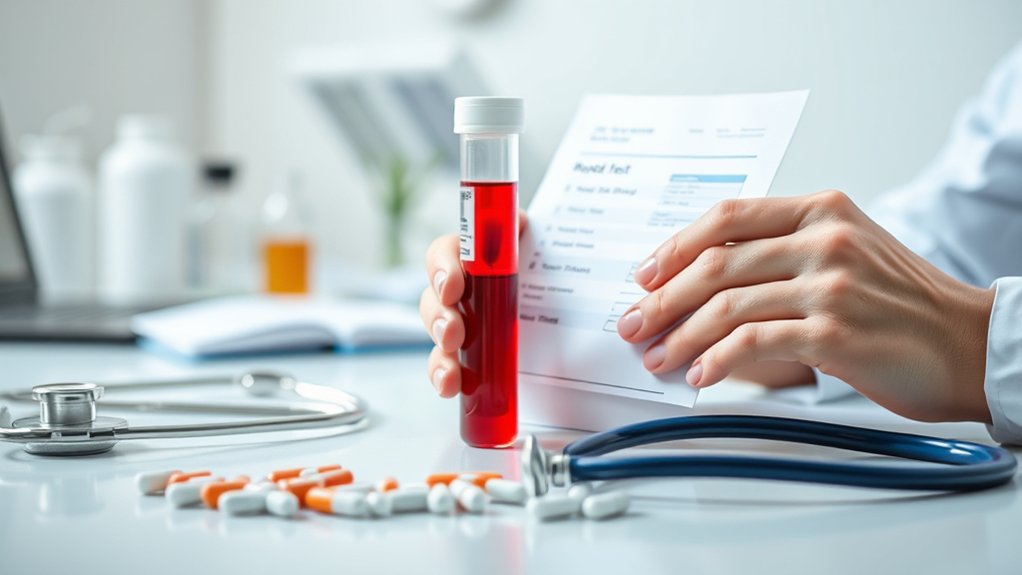
To accurately check your iron levels, you’ll want to focus on some key blood tests like serum ferritin. This test gives a clearer picture of your body’s iron stores, and it’s more reliable than just looking at hemoglobin alone.
Now, hemoglobin and hematocrit tests do measure your red blood cells, but they mightn’t catch iron deficiency in its early stages.
Essential Iron Blood Tests
How can you accurately determine if your iron levels are adequate? Blood tests give clear insights into your iron status. The hemoglobin test measures hemoglobin in your red blood cells, signaling anemia if low.
The serum ferritin test detects your stored iron, identifying early iron deficiency. Finally, the total iron-binding capacity (TIBC) shows how well your blood transports iron, often rising in deficiency. The transferrin saturation test reveals how much iron is bound to transferrin, indicating iron availability.
| Test | What It Measures | What Low/High Indicates |
|---|---|---|
| Hemoglobin Test | Hemoglobin in red blood cells | Low: Anemia/iron deficiency |
| Serum Ferritin Test | Stored iron | Low: Iron deficiency |
| Total Iron-Binding Capacity | Blood’s iron transport capacity | High: Iron deficiency |
| Transferrin Saturation Test | % of transferrin with iron | Low: Insufficient iron |
Early Deficiency Indicators
Monitoring your iron levels through blood tests like serum ferritin can reveal early signs of deficiency before symptoms appear. Detecting early deficiency indicators is key to preventing iron deficiency anemia.
Here’s what you should know about monitoring iron levels: Serum ferritin is the most reliable blood test to detect iron deficiency early, reflecting your body’s iron stores. Hemoglobin and hematocrit tests are common but may not catch iron deficiency in its initial stages.
If you belong to a high-risk group (like pregnant women or heavy exercisers), regular testing is essential.
Also, compare your dietary and supplemental iron intake against recommended levels to decide if supplementation is needed.
Using these blood tests helps you stay proactive and address iron deficiency before it worsens. It’s a smart way to keep your health on track.
Ferritin Versus Hemoglobin
Although both ferritin and hemoglobin tests measure different aspects of your iron status, understanding their distinct roles can help you better assess whether you need supplementation. Ferritin indicates your body’s iron stores, detecting iron deficiency early. Meanwhile, hemoglobin reflects your blood’s oxygen-carrying capacity and signals anemia when low.
Medical professionals recommend regular testing for at-risk groups to catch deficiency in time. Using both tests together gives you a thorough view of your iron health.
| Test | What It Measures |
|---|---|
| Ferritin | Iron stores in your body |
| Hemoglobin | Oxygen-carrying capacity |
| Sensitivity | Ferritin detects deficiency earlier |
| Deficiency Sign | Low hemoglobin signals anemia |
| Testing Frequency | Important for at-risk individuals |
This balanced approach helps you and your healthcare provider decide on iron supplementation wisely.
How Often Should You Test Your Iron Levels?
When should you check your iron levels to stay on top of your health? Regular testing helps catch deficiency early and guides supplement use effectively. Here’s a clear approach:
If you have no history of low iron, test your iron levels annually to monitor for any changes.
When you start taking iron supplements, retesting after three months is essential to assess improvement and adjust dosage if needed.
Retest your iron levels three months after starting supplements to track progress and fine-tune your dosage.
High-risk groups like pregnant women, heavy exercisers, and those with certain health conditions should test more frequently because they’ve an increased risk of deficiency.
Blood tests measuring hemoglobin, hematocrit, and serum ferritin offer the most accurate insights into your iron status.
How Iron Supplements Restore Your Iron Levels
Because your body struggles to absorb enough iron from food alone during deficiency, iron supplements play an essential role in quickly restoring your iron levels. Since your body can’t make iron, taking iron supplements like ferrous sulfate replenishes depleted stores and effectively treats iron deficiency anemia.
You’ll often see improvements in hemoglobin within four weeks, though full recovery usually takes about three months. Regular blood tests measuring serum ferritin and hemoglobin help track your progress and guide the proper dosage and duration.
Following your healthcare provider’s advice is important because excess iron can cause side effects. Iron supplements work faster than dietary changes alone, making them critical when your levels of iron are considerably low or absorption issues prevent adequate intake from food.
Managing Common Side Effects of Iron Supplements
You might notice some constipation, nausea, or stomach upset when you first start taking iron supplements.
But don’t worry—drinking plenty of water and eating foods high in fiber can really help ease those symptoms.
If taking the supplement on an empty stomach bothers you, try having it with some food.
It might reduce discomfort, even though your body might absorb a bit less iron that way.
Also, if you see dark stools, that’s totally normal.
It just means your body is processing the iron.
However, if any side effects stick around or get worse, it’s a good idea to check in with your healthcare provider.
Common Iron Supplement Side Effects
How can you manage the common side effects of iron supplements effectively? Knowing what to expect helps you handle symptoms like stomach upset, constipation, nausea, dark stools, or diarrhea, which vary among individuals.
Here’s what you can do: Take iron supplements with food if stomach upset occurs, though absorption may slightly decrease.
Drink plenty of water and increase dietary fiber to ease constipation. Start with a lower dose and gradually increase it to build tolerance.
If side effects persist or worsen, consult a healthcare provider for possible dosage adjustment or alternative formulations.
Addressing these common side effects supports your iron deficiency treatment and makes your supplement routine more manageable and effective.
Tips To Minimize Discomfort
While iron supplements are essential for correcting deficiency, managing their side effects can really improve your comfort and help you stick to the regimen. Start with small doses to reduce stomach discomfort and gradually increase them.
Pairing your supplement with vitamin C-rich foods boosts absorption and may ease gastrointestinal discomfort. Drinking plenty of water and eating fiber-rich foods helps prevent constipation.
If nausea occurs, try taking iron supplements with food, though absorption might slightly decrease. Always consult your healthcare provider if side effects persist or worsen. They can adjust your dosage or suggest alternative forms.
| Discomfort | Tip to Minimize |
|---|---|
| Stomach upset | Start with small doses |
| Poor absorption | Take with vitamin C |
| Constipation | Increase water and dietary fiber |
| Nausea | Take with food |
| Persistent side effects | Consult healthcare provider |
Avoiding Risks of Iron Overdose
Why is it essential to avoid iron overdose when taking supplements? Taking too much iron can cause serious health issues, so you need to be careful.
Iron overdose symptoms like severe vomiting, diarrhea, and abdominal pain require prompt attention. To stay safe, don’t exceed 45 mg of iron daily without medical supervision.
Also, store iron supplements securely, especially away from children. It’s a good idea to monitor your iron levels regularly through blood tests.
If you have conditions like hemochromatosis, be extra cautious because your body struggles to regulate iron. Staying aware and careful can help keep you safe.
When to See a Healthcare Provider About Iron
Taking iron supplements safely means knowing when to seek medical advice about your iron levels. You should see a healthcare provider if you experience symptoms of iron deficiency like persistent fatigue, pallor, or shortness of breath.
Women with heavy menstrual bleeding or pregnancy also need medical advice because their iron demands are higher. If your diet lacks iron-rich foods such as red meat or fortified cereals, it’s a good idea to consult a provider. They can help determine if you need supplementation.
Blood tests, including ferritin levels, are essential for those at risk, like athletes or individuals with gastrointestinal issues. If you’re diagnosed with iron deficiency or anemia, follow-up appointments make sure your treatment is working and can be adjusted if needed.
Knowing when to see a healthcare provider helps you manage iron safely and effectively. So, don’t hesitate to reach out if you’re unsure or notice symptoms.
Frequently Asked Questions
Can Iron Supplements Interact With Other Medications?
Yes, iron supplements can interact with other medications, affecting iron absorption and drug effectiveness. You should follow dosage recommendations carefully and consider timing.
Taking iron separately from antibiotics, thyroid meds, or antacids helps avoid interactions.
Managing symptoms means you need to watch for side effects and consult your doctor before combining iron with blood thinners or other drugs.
Always discuss medication interactions and timing considerations with your healthcare provider to stay safe and effective.
Are There Different Types of Iron Supplements Available?
When it comes to iron supplements, you have a toolbox full of options. Ferrous sulfate is the go-to for many because it’s highly effective, while ferric citrate offers an alternative that some tolerate better.
You’ll find heme iron, absorbed more easily, and non-heme iron, common in plant sources.
If swallowing pills is tough, liquid supplements or chewable tablets can be a lifesaver. Always check with your healthcare provider to pick what suits you best.
How Long Does It Take for Iron Supplements to Work?
You’ll typically start seeing improvements in about 4 weeks, but full iron absorption and hemoglobin restoration can take 3 months or more.
Factors like timing of intake, such as taking supplements with vitamin C-rich foods and avoiding calcium, can boost absorption.
Watch for signs of deficiency like fatigue.
Stick to recommended dosages to minimize potential side effects like stomach upset.
Including the best food sources like spinach and lean meats can support supplementation effectively.
Just keep in mind, being consistent and patient really helps when you’re taking iron supplements.
Can Iron Supplements Cause Constipation or Digestive Issues?
Yes, iron supplements can cause constipation and other digestive side effects, especially if you take high doses.
To improve iron absorption and reduce discomfort, follow dosage recommendations carefully and consider taking supplements with vitamin C.
Balancing supplements with natural sources of iron in your diet and paying attention to dietary considerations like fiber and hydration can help ease symptoms.
If you experience persistent digestive issues, consult your healthcare provider to adjust your plan.
Is It Safe to Take Iron Supplements During Exercise?
Yes, it’s generally safe to take iron supplements during exercise, but timing matters. You’ll improve iron absorption and support exercise performance by taking supplements either before or after workouts.
Iron from dietary sources is ideal, but supplementation can help meet athlete needs and prevent anemia when diet falls short.
Always consult a healthcare professional to tailor supplementation timing and dosage.
That way, you can ensure safety and maximize benefits for your specific exercise routine.
Conclusion
So, you might think skipping iron supplements is no big deal. After all, who needs energy or a healthy immune system, right? But ignoring signs of deficiency can leave you tired, pale, and vulnerable.
Luckily, simple tests can clarify your needs. Supplements can safely restore your iron levels if taken wisely. Don’t wait for severe symptoms to strike. Get checked and act early.
Iron isn’t just a mineral. It’s your body’s quiet powerhouse.