How To Take An Iron Supplement? Step by Step Guide
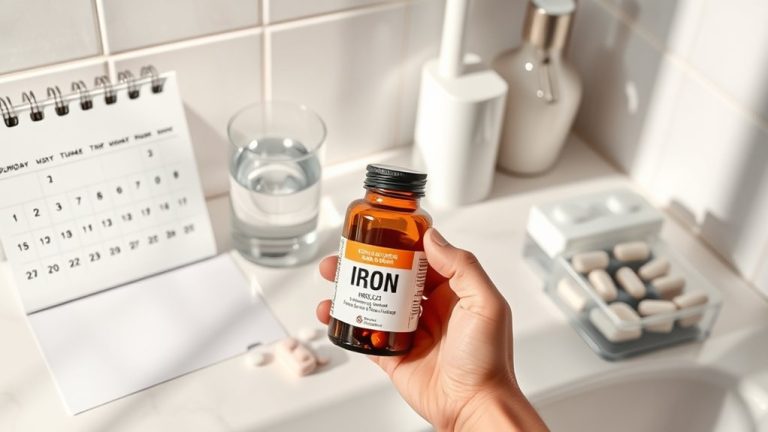
You should take your iron supplement on an empty stomach, ideally 30 minutes before or two hours after meals, to boost absorption. Avoid dairy, coffee, and tea around this time, as they can block iron uptake. Pair it with vitamin C-rich foods like orange juice to enhance benefits.
If side effects like nausea or constipation occur, adjustments can help. Sticking to a routine matters, and knowing when to seek medical advice guarantees safe use. There’s more to take into account for best results.
What Is an Iron Supplement?
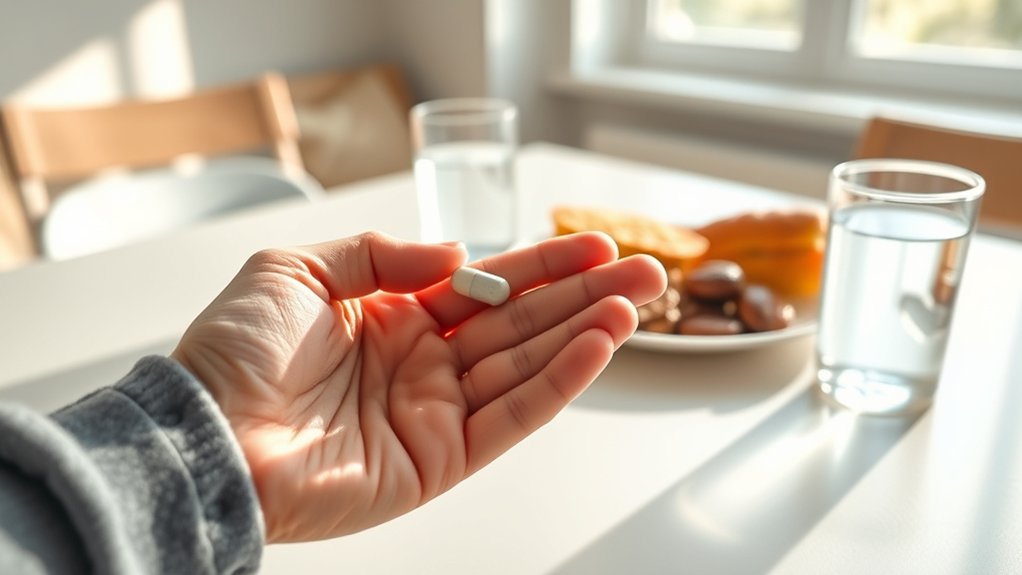
An iron supplement is a medication you take to treat or prevent iron deficiency anemia by supplying your body with the iron it needs to produce hemoglobin.
Iron supplements often contain ferrous sulfate, a form that your body readily absorbs.
To maximize absorption, it’s best to take these supplements on an empty stomach, ideally 30 minutes before or two hours after eating.
Pairing iron supplements with vitamin C, such as a glass of orange juice, can further boost absorption, helping your body use the iron more efficiently.
It’s also important to avoid dairy, antacids, and caffeine near the time you take your supplement because they can interfere with absorption.
Always consult your healthcare provider to make sure you’re using the right dosage and form for your specific iron deficiency needs.
When Is the Best Time to Take Iron Supplements?
To get the most out of your iron supplement, timing plays a key role in how well your body absorbs it. Iron supplements are best taken on an empty stomach. Ideally, take them 30 minutes before or 2 hours after meals to maximize absorption.
Avoid calcium-rich foods, dairy, or antacids within 2 hours because calcium can inhibit iron absorption. If you experience stomach upset, having a small amount of food can help without drastically reducing absorption.
Pairing your supplement with vitamin C can further enhance iron uptake, but that’s a topic for next time.
| When to Take Iron Supplements | Why? |
|---|---|
| 30 minutes before meals | Empty stomach enhances absorption |
| 2 hours after meals | Avoids interference from food |
| Avoid calcium/dairy within 2 hours | Calcium inhibits absorption |
| With a small snack if stomach upset | Reduces discomfort without much loss |
How to Maximize Iron Absorption With Vitamin C

Although iron supplements are effective on their own, pairing them with vitamin C can boost your body’s ability to absorb nonheme iron by up to 30%.
The best way to take your iron supplement is with a vitamin C supplement or vitamin C-rich foods like orange juice, which really enhances iron absorption.
Taking iron with vitamin C or orange juice significantly boosts iron absorption for better results
For best results, try to consume vitamin C within 30 minutes before or after taking your iron pill. This timing helps your body make the most of both nutrients.
However, avoid calcium supplements at the same time, as calcium can interfere with iron absorption.
Remember to consult your healthcare provider regularly to monitor your iron levels and adjust your approach.
That way, you can be sure you’re getting the full benefit of combining iron with vitamin C.
Which Foods and Drinks Should You Avoid When Taking Iron Supplements?
When you’re taking iron supplements, it’s a good idea to watch out for certain foods and drinks that might block absorption.
For example, dairy products can get in the way of how well your body takes in iron.
Caffeine is another one to be cautious about—it can also interfere with iron absorption.
Plus, foods that are high in fiber might slow things down a bit, making it harder for your body to soak up the iron.
Don’t forget about antacids either; they can reduce the effectiveness of your supplements.
Foods That Inhibit Absorption
Since your goal is to maximize iron absorption, you’ll want to avoid certain foods and drinks that can interfere with how well your body takes in iron from supplements.
Some common inhibitors include:
- Calcium – found in dairy like milk and cheese. It blocks iron absorption, so try to avoid it within two hours of taking supplements.
- Tannins – present in tea and coffee. These compounds reduce iron absorption considerably.
- Caffeine – in any form, caffeine can hinder your body’s ability to absorb iron. So, it’s best to avoid it near supplement times.
- High-fiber foods and soy products – fiber and soy proteins can interfere with iron absorption. It’s a good idea to space them out from your supplements.
Being mindful of these can really help you get the most benefit from your iron supplement regimen.
Drinks To Avoid
Three types of drinks you should avoid around the time you take your iron supplement are dairy, caffeinated beverages, and antacids.
Dairy products contain calcium, which can inhibit iron absorption, so wait at least two hours after taking your iron supplements before consuming milk or cheese.
Caffeinated beverages like coffee and tea have tannins that greatly reduce iron absorption, so avoid them near supplement time.
Antacids neutralize stomach acid, which is essential for absorbing iron, so steer clear of them within two hours of your dose.
Furthermore, high-fiber foods, while healthy, can also impede iron absorption if eaten at the same time as iron supplements.
How Much Iron Should You Take?
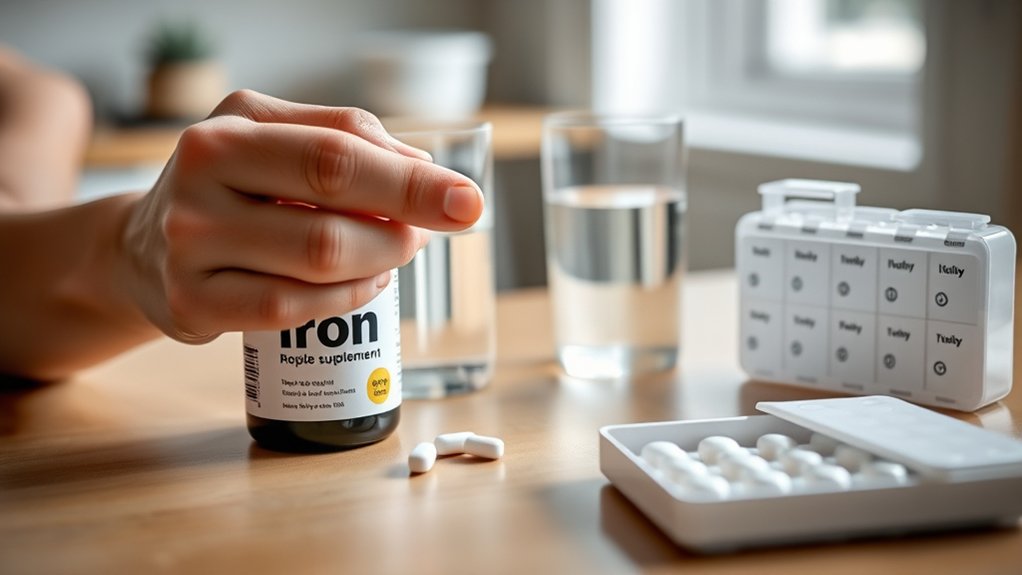
- Start with one 200 mg ferrous sulfate tablet daily unless advised otherwise.
- Pregnant individuals usually need about 27 mg elemental iron daily.
- Children’s doses vary by age and weight; consult a pediatrician.
- Regular monitoring of your iron levels is essential for safe, effective dosing.
Always consult your healthcare provider to personalize your regimen and adjust based on your iron levels and health needs.
Adjusting Iron Dosage for Different Ages
You’ll want to adjust your iron supplement depending on your age because your body’s needs change over time.
Kids, teens, and adults all require different amounts daily to support their growth, development, and overall health.
Knowing these guidelines makes it easier to take the right dose safely and effectively.
Pediatric Dosage Guidelines
Because children’s iron needs vary widely with age and development, adjusting the dosage carefully is crucial to guarantee safety and effectiveness.
When taking ferrous iron supplements for children, consider these key points:
Calculate the amount based on your child’s age and weight to meet their specific needs.
Toddlers (1-3 years) typically require 7 mg daily, while children 4-8 years need about 10 mg.
Use appropriate formulations like drops or chewable tablets.
Usually, around 4 ml of drops once or twice daily works well for kids under 12.
Also, make sure to prioritize regular monitoring by a healthcare professional.
This helps adjust dosages and avoid iron overload or deficiency.
It’s always better to be safe and keep an eye on how things are going.
Adolescent Iron Requirements
As children grow into their teenage years, their iron needs change a lot, especially during periods of rapid growth and, for girls, when menstruation starts.
Adolescent girls need about 15 mg of iron daily, which is more than boys’ 11 mg because of menstrual blood loss.
To prevent iron deficiency, it’s important to focus on iron-rich foods. You might also want to consider iron supplements if your diet doesn’t provide enough.
If you follow a vegetarian or vegan diet, pay extra attention to nonheme iron sources since they’re not absorbed as easily as heme iron from animal products.
It’s a good idea to tailor your iron supplement dosage based on your diet and overall health, so talking to a healthcare provider is key.
Regular blood tests to monitor iron levels help make sure you’re meeting your iron needs safely and effectively.
Adult Supplement Adjustments
When adjusting iron supplements for adults, it’s important to consider factors like age, health status, and specific needs such as pregnancy. Adults generally need 150-200 mg/day of elemental iron for treating deficiency, but daily requirements can vary quite a bit.
For example, adults aged 19-50 usually need about 18 mg, while pregnant individuals require around 27 mg.
To get the most out of your iron supplements and avoid side effects, here are some helpful tips to follow.
First, split your iron supplements into two or more doses throughout the day. Also, try to avoid taking calcium and antacids within two hours of your iron dose since they can interfere with absorption.
It’s a good idea to keep an eye on your iron levels with regular blood tests to see if you need to adjust your dosage.
And of course, always check in with your healthcare provider so your supplementation matches your unique health needs and age.
These simple adjustments can help make your iron therapy both safe and effective.
How Long Will Iron Supplements Take to Work?
How soon can you expect iron supplements to make a difference? If you’re treating iron deficiency, you’ll likely notice improvements in symptoms such as fatigue within one to four weeks of consistent use.
But how long will iron supplements take to work fully? Hemoglobin levels usually return to normal after about two months of therapy.
It’s important to continue supplementation for six to twelve months beyond that to rebuild your iron stores adequately. Regular blood tests help monitor your progress and guide the duration of treatment.
Sticking to your prescribed dosage and guidelines is vital to effectively restore your iron levels and alleviate symptoms.
Patience and adherence play key roles in your recovery journey.
How to Manage Common Side Effects of Iron Supplements
If you find yourself dealing with constipation while taking iron supplements, a stool softener like docusate sodium might help ease that discomfort.
When it comes to nausea, taking your supplement with a little bit of food can often settle your stomach without affecting how well the iron is absorbed.
And just so you know, dark stools are completely normal when on iron. However, if you see tarry stools, make sure to reach out to your healthcare provider right away.
Managing Constipation Effectively
Although iron supplements are essential for correcting deficiency, they often cause constipation, which can be uncomfortable and discouraging.
When taking iron supplements, managing constipation effectively is vital to maintain your comfort and adherence.
Here’s what you can do:
- Increase fiber foods like fruits, vegetables, and whole grains to promote regular bowel movements.
- Prioritize hydration by drinking plenty of water throughout the day to soften stools.
- Use stool softeners such as docusate sodium if constipation persists, but consult your healthcare provider first.
- If constipation is severe, talk to your provider about adjusting the iron dosage or switching to an alternate day schedule.
Reducing Nausea Symptoms
Because iron supplements can irritate your stomach, nausea is a common side effect that many people experience.
When taking iron supplements, starting with a smaller dose and gradually increasing it can help reduce nausea and stomach upset. Pair your supplement with vitamin C-rich foods like orange juice to improve absorption and potentially ease nausea.
If nausea persists, try taking iron with a small amount of food, but avoid high-fiber items as they can hinder absorption. Staying well-hydrated and using a stool softener can also help manage constipation, which often makes nausea worse.
If nausea remains severe or persistent, talk to your healthcare provider about adjusting your dosage or exploring alternative iron formulations that might be better suited to you.
Handling Dark Stools
Many people notice dark stools when they start taking iron supplements, especially ferrous sulfate, and this can be unsettling. Rest assured, dark stools usually result from unabsorbed iron reacting with digestive enzymes and are harmless.
However, if stools become tarry or bloody, contact your healthcare provider immediately.
To manage common side effects like constipation and staining from liquid iron, follow these tips: Drink plenty of fluids and eat fiber-rich foods to ease constipation.
Mix liquid iron with water or juice and use a straw to prevent teeth staining.
Monitor stool color but don’t panic over dark stools—they’re typical with iron supplements.
Report any severe gastrointestinal changes to your doctor promptly.
These steps help you handle side effects while safely benefiting from iron supplementation.
What to Do If You Miss a Dose of Iron Supplement
If you miss a dose of your iron supplement, take it as soon as you remember unless it’s almost time for your next dose. Don’t double up to make up for a missed dose, as this can cause side effects. Simply skip the missed dose if you’re close to the next scheduled one.
To keep your iron supplement working well, try to stick to your dosing schedule consistently. Using reminders or alarms on your phone can really help you take your iron supplements regularly. If you find yourself often missing doses, talk to your health care provider for tips to improve how you take them.
| Scenario | Action to Take | Notes |
|---|---|---|
| Missed dose, early | Take dose immediately | Helps maintain effectiveness |
| Missed dose, late | Skip missed dose | Avoid doubling up |
| Frequently forget | Set reminders or alarms | Improves adherence |
| Ongoing issues | Consult health care provider | For personalized advice |
When to Contact a Healthcare Provider About Iron Supplement Use
While iron supplements can effectively improve your iron levels, you should contact a healthcare provider if you experience severe side effects such as persistent nausea, vomiting, or abdominal pain. It’s important to seek medical advice promptly to prevent complications.
Also, get in touch with your healthcare provider if you notice any of the following:
- Dark, tarry stools, which might indicate gastrointestinal bleeding
- No improvement in iron-deficiency anemia symptoms like fatigue or weakness after four weeks
- Concerns about interactions with other medications or supplements
- Side effects that make you reconsider your dosage or how often you take your supplement
Always check with a healthcare provider before changing your iron supplement routine. That way, you can be sure your treatment stays safe and works well for you.
Frequently Asked Questions
Can I Take Iron Supplements With Other Medications?
You shouldn’t take iron supplements at the same time as some medications because they can affect how well your body absorbs iron or reduce how effective your medication is.
Make sure to follow dosage guidelines carefully. It’s best to space your iron supplement at least two hours apart from antacids, calcium, or antibiotics.
Vitamin C-rich foods can actually help boost iron absorption. So, including those might be a good idea.
Always check with your healthcare provider about any potential interactions and timing recommendations.
That way, you can avoid side effects and use your supplements safely and effectively alongside other medications.
Are There Different Types of Iron Supplements Available?
About 30% of people worldwide take iron supplements, and yes, you’ll find different types available.
Ferrous sulfate is the most common, but there are others like ferrous gluconate.
You can get iron from heme sources (animal-based) or non heme sources (plant-based), and this affects absorption.
Dosage recommendations vary, so it’s good to think about how well your body absorbs the iron and any side effects you might experience.
Always check with your healthcare provider to find out what suits your needs best.
How Should I Store My Iron Supplements Properly?
You should store your iron supplements in cool, dry storage conditions to avoid moisture exposure and temperature sensitivity that can degrade their quality.
Use airtight containers to keep air and humidity out.
Always check expiration dates regularly and safely dispose of expired supplements. For child safety, keep your iron tablets well out of reach.
Avoid bathrooms or humid areas where fluctuating moisture could affect your supplements’ effectiveness.
Keeping them in a stable environment really helps maintain their potency.
Can Iron Supplements Cause Constipation?
Yes, iron supplements can cause constipation as a common side effect, especially if your dosage exceeds recommendations.
To improve iron absorption and ease symptoms, take them with vitamin C-rich foods and increase your dietary fiber and fluid intake.
Timing considerations, like avoiding taking supplements with calcium, also help. If constipation persists, consult your healthcare provider for symptom relief options.
Is It Safe to Take Iron Supplements During Pregnancy?
Imagine Sarah, who struggled with fatigue during pregnancy until her doctor recommended iron supplements. Yes, it’s safe to take them during pregnancy when you follow the recommended dosage and consult your healthcare provider.
Iron deficiency is common, so prenatal vitamins often include iron to support you and your baby.
Keep in mind absorption factors like taking supplements with vitamin C.
Also, manage side effects through dietary sources and adjustments.
It’s all about finding what works best for you!
Conclusion
Taking iron supplements is like fueling a car. You need the right timing, nutrients, and care to keep it running smoothly. Studies show vitamin C boosts absorption, while coffee or calcium can slow it down.
If you ever miss a dose, don’t stress. Just pick up where you left off. Remember, if side effects persist or you’re unsure about your dosage, reach out to your healthcare provider.
You’re not alone on this journey to better health.