Can I Take A Fiber Supplement While Pregnant? A Complete Guide for Moms-to-Be
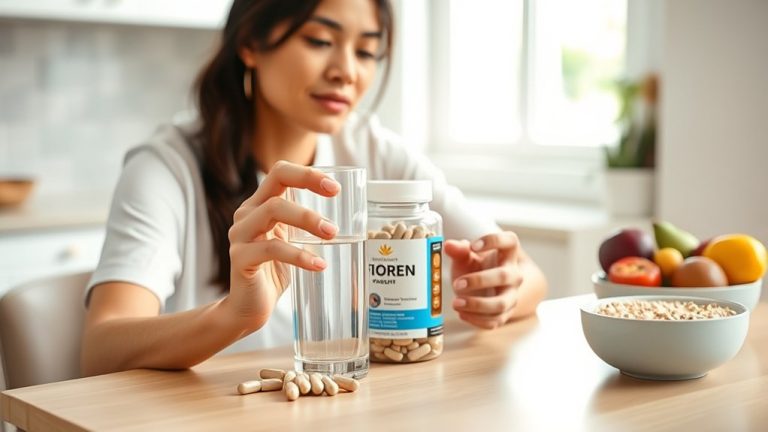
Yes, you can take certain fiber supplements like psyllium husk or methylcellulose during pregnancy to help with constipation. This is pretty common because of hormonal changes and prenatal vitamins.
Just make sure to drink plenty of water and increase your fiber intake gradually to avoid any discomfort. Natural fiber from fruits and vegetables is usually the best choice, but supplements can be helpful if you need them.
Before you start taking any supplements, it’s really important to check with your healthcare provider. They can make sure it’s safe for you and help you figure out the right dosage. You’ll find more detailed guidance and tips ahead.
Why Consider Fiber Supplements During Pregnancy?

Although pregnancy brings many changes, constipation is one of the most common discomforts you might face due to hormonal shifts and iron in prenatal vitamins.
Pregnancy often causes constipation due to hormonal changes and iron supplements.
Fiber supplements during pregnancy can be a safe and effective way to relieve constipation when dietary fiber alone isn’t enough.
You should aim for 25 to 36 grams of daily dietary fiber. Soluble fiber supplements like psyllium husk or methylcellulose can help meet this goal.
Taking them with plenty of fluids and gradually increasing your fiber intake minimizes side effects like gas and bloating.
Always consult your healthcare provider before starting any fiber supplement to confirm it suits your individual health needs.
This way, you can safely support your digestive health throughout pregnancy.
How Does Pregnancy Affect Digestion?
When you’re pregnant, rising levels of progesterone relax your intestinal muscles. This slows digestion and increases the risk of constipation.
On top of that, your growing uterus presses on your intestines, making digestion even more sluggish.
Also, dietary changes and cravings during pregnancy can reduce your fiber intake, which makes constipation worse. Prenatal vitamins, especially iron supplements, might add to your digestive discomfort too.
To support your digestive health during pregnancy, keep a few things in mind. Eat a fiber-rich diet to help counteract slowed digestion and ease constipation.
Try to balance your prenatal vitamins with plenty of dietary fiber to reduce iron’s constipating effects.
And don’t forget to stay physically active as much as you can. Moving around helps encourage your intestinal muscles to keep things moving.
Understanding these changes can help you manage digestion better and promote your overall health throughout pregnancy.
Which Fiber Supplements Are Safe for Pregnant Women?

Which fiber supplements can you safely use during pregnancy to ease constipation? Psyllium husk and methylcellulose are generally considered safe fiber supplements for pregnant women when taken properly.
To relieve constipation effectively, you must maintain a high fluid intake alongside these supplements. This combination helps fiber work smoothly through your digestive system and reduces the risk of gastrointestinal discomfort like gas or bloating.
Before starting any fiber supplement, it’s vital to consult a healthcare provider to verify it fits your individual needs and tolerance.
Gradually increasing fiber intake also minimizes discomfort.
Is Benefiber Fiber Supplement Safe During Pregnancy?
How safe is Benefiber as a fiber supplement during pregnancy? Benefiber is generally considered safe during pregnancy, but it’s really important to talk to your doctor before starting it. It helps boost your daily fiber intake, but keep in mind it mightn’t relieve constipation for everyone.
Plus, it can cause side effects like bloating and gas.
Remember, whole foods are always the better choice for fiber, but Benefiber can be a helpful addition when you need it.
Here are a few things to keep in mind:
Benefiber contains soluble fiber that mixes easily with food or drinks without changing the taste.
And make sure you drink enough fluids so Benefiber can do its job properly.
Also, watch out for any side effects and check in with your healthcare provider to make sure it’s right for you.
At the end of the day, prioritize your comfort and health by balancing supplements with natural fiber sources.
How Much Fiber Should You Take While Pregnant?

Pregnant women need to consume between 25 and 36 grams of fiber daily to support digestion and reduce the risk of constipation. Your fiber intake should gradually increase to help prevent gastrointestinal discomfort like gas or bloating.
Pregnant women should gradually increase fiber intake to 25–36 grams daily to support digestion and ease constipation.
Focus on foods rich in fiber rather than supplements initially, as they offer additional nutrients.
It’s essential to drink enough water, about 8 to 12 cups daily, to aid digestion and further reduce constipation during pregnancy.
If you find that constipation persists despite maintaining a fiber-rich diet and proper hydration, consult your health care provider for personalized guidance.
They can help determine if a fiber supplement is necessary and advise on the appropriate grams of fiber to take to guarantee your digestive health stays on track throughout your pregnancy.
Best Natural Fiber Sources for Pregnancy
When you’re pregnant, it’s a good idea to focus on fiber-rich foods like fruits, vegetables, whole grains, and legumes. These natural choices help you meet your daily fiber needs without any fuss.
Not only do these whole foods provide plenty of fiber, but they also offer important nutrients that support your baby’s growth and keep your digestive system running smoothly.
Plus, by sticking to natural sources, you avoid additives and give your body a better chance to absorb all those vitamins and minerals.
It’s really a win-win!
Top Fiber-Rich Foods
Since maintaining adequate fiber intake is essential during pregnancy, focusing on natural, fiber-rich foods can make meeting your daily goals easier and more enjoyable.
Incorporating a high-fiber diet supports digestion and overall health for both you and your baby.
To maximize fiber intake, consider these top sources:
- Fruits like raspberries and pears provide 6 to 8 grams of fiber per cup, aiding digestion and nutrient absorption.
- Vegetables such as broccoli offer about 5 grams of fiber per cup, along with essential vitamins and minerals.
- Legumes like black beans are fiber powerhouses, delivering approximately 15 grams per cup and boosting your daily fiber needs.
Pair these with whole grains like oatmeal and whole wheat bread to guarantee balanced fiber-rich foods throughout your pregnancy.
It’s a simple way to keep things tasty and nutritious!
Benefits Of Whole Foods
While focusing on fiber intake during pregnancy, choosing whole foods offers the best natural sources to meet your daily needs. Whole foods like fruits, vegetables, legumes, and whole grains provide the 25 to 36 grams of fiber recommended daily for ideal digestive health.
Fruits such as raspberries and apples boost your fiber intake while aiding regular bowel movements. Leafy greens contribute fiber along with essential vitamins and minerals that support you and your baby.
Legumes, including black beans and lentils, deliver substantial fiber to help alleviate pregnancy constipation. Whole grains like oats and whole wheat bread round out your diet, enhancing digestion and nutrient absorption.
While fiber supplements can help, prioritizing whole foods guarantees you gain the full spectrum of benefits crucial for a healthy pregnancy.
How to Start Taking Fiber Supplements Without Stomach Trouble
Although adding fiber supplements to your routine can ease pregnancy-related constipation, starting too quickly may cause stomach discomfort. To avoid gastrointestinal discomfort, begin with a small dose and gradually increase your intake as your body adjusts.
Always choose soluble fiber supplements like psyllium husk, which are gentler on your digestive system.
Remember to drink plenty of water. Aim for 8 to 12 cups daily to help fiber work effectively and prevent bloating or cramping.
Keep an eye on any digestive issues, such as gas or bloating, and consult your healthcare provider if symptoms persist despite adjustments.
By following these steps, you can safely introduce fiber supplements and support your digestive health during pregnancy.
- Start with low doses and gradually increase
- Opt for soluble fiber supplements
- Drink plenty of water to ease digestion
When Should You Consult a Doctor About Fiber Supplements?
If you have persistent constipation or other digestive issues even after following dietary advice, it’s important to talk to your healthcare provider.
Also, if you notice symptoms like diarrhea, bloating, or cramping after starting a supplement, reach out to your doctor right away. They can help adjust your regimen.
Always let your healthcare provider know about all the supplements you’re thinking of taking. This way, they can make sure everything fits well within your prenatal care plan.
Working together like this helps manage your digestive health and keeps both you and your baby safe during pregnancy.
Fiber Supplements and Safety While Breastfeeding
When you’re breastfeeding, it’s a good idea to get your fiber from a balanced diet full of fruits, vegetables, and whole grains to keep yourself healthy.
Make sure you stay well-hydrated too, since water helps fiber do its job and can prevent constipation.
Before you start taking any fiber supplements, it’s best to chat with your healthcare provider.
They can help make sure the supplements are safe for both you and your baby.
Fiber Intake Recommendations
Three key guidelines can help you manage fiber intake safely while breastfeeding.
First, prioritize natural food sources like fruits, vegetables, and whole grains over fiber supplements to meet your fiber intake recommendations.
Second, remember that fiber supplements are generally safe since they don’t pass into breast milk. But always check with your healthcare provider before starting any supplement.
Third, if you experience constipation, don’t hesitate to seek medical advice for personalized dietary adjustments.
Emphasize fiber-rich whole foods for steady digestive health. Consult your healthcare provider before adding fiber supplements.
And address persistent constipation promptly with professional guidance.
Following these steps guarantees you support your health and your baby’s well-being while maneuvering fiber needs during and after pregnancy.
Hydration Importance During Breastfeeding
Managing fiber intake effectively during breastfeeding involves more than just choosing the right foods or supplements. You also need to pay close attention to hydration. Staying adequately hydrated supports your digestive health and helps prevent constipation, which is a common issue that fiber supplements can sometimes make worse if you’re dehydrated.
Drinking 12-13 glasses of water daily helps you maintain ideal fluid levels for both you and your baby. Hydration directly impacts breast milk production, so it’s really important to keep those fluids up.
Fiber supplements don’t pass into breast milk and are generally safe, but it’s always a good idea to check with your healthcare provider for personalized advice. If constipation sticks around, your provider can suggest dietary tweaks or fiber supplement options that might work better for you.
Prioritizing adequate hydration will maximize the benefits of fiber supplements and help promote smoother digestion during breastfeeding. It’s a small step that can make a big difference!
Lifestyle Tips to Boost Fiber Supplement Benefits
How can you maximize the benefits of fiber supplements during pregnancy? Start by gradually increasing fiber intake to 25-36 grams daily to prevent discomfort like gas and bloating.
Remember to drink plenty of water, about 12-13 glasses daily, to help fiber supplements work effectively and prevent constipation.
Drink 12-13 glasses of water daily to boost fiber supplement effectiveness and ease constipation.
Try to include fiber-rich foods such as fruits, vegetables, legumes, and whole grains alongside your supplements for better digestive health.
Light physical activity, like walking, can stimulate gut movement and make fiber work even better.
Always check with your healthcare provider to tailor fiber supplement choices and dosages to your needs and keep an eye out for any side effects.
Following these lifestyle tips can really boost the benefits of fiber supplements and support your pregnancy health comfortably and safely.
- Increase fiber intake gradually
- Drink plenty of water daily
- Engage in light physical activity
Frequently Asked Questions
Can Fiber Supplements Affect Prenatal Vitamin Absorption?
Yes, fiber supplements can affect prenatal vitamin absorption, especially if you don’t manage timing carefully.
Different fiber types and dosage recommendations matter. Too much fiber or taking it too close to your vitamins can reduce iron and calcium uptake.
To support digestive health and relieve constipation, try to space your fiber supplement at least two hours apart from your vitamins.
It’s better to prioritize dietary sources of fiber when you can.
Also, check safety studies with your healthcare provider to find the best strategy for you.
Are There Any Fiber Supplements to Avoid During Pregnancy?
You should avoid fiber supplements with harsh additives or excessive sweeteners during pregnancy. Focus on natural sources like fruits and whole grains, and stick to recommended dosages to minimize potential side effects like bloating or cramping.
Soluble fibers sometimes cause discomfort, so consider timing to avoid nutrient interference.
Choose safe brands known for purity, and prioritize dietary adjustments before supplements to support your digestive health effectively and gently.
How Do Fiber Supplements Interact With Pregnancy Medications?
Maneuvering fiber supplements with pregnancy meds is like juggling delicate glass. Timing really matters. Fiber sources can slow medication absorption and affect how well they work.
To support digestive health and relieve constipation safely, choose gentle options like psyllium husk. Follow dosage guidelines carefully.
Also, try to space fiber intake from your meds by at least two hours.
Keep an eye out for side effects like bloating. And always chat with your healthcare provider. They can help tailor timing recommendations and make sure your supplements and meds work well together.
Can Fiber Supplements Cause Dehydration in Pregnant Women?
Yes, fiber supplements can cause dehydration in pregnant women if you don’t keep up with proper hydration. Fiber absorbs water in your intestines, so it’s really important to drink plenty of fluids.
This helps with constipation relief and keeps your digestion healthy. Just make sure you follow the recommended dosage and safety guidelines.
Balancing your nutrients carefully is key.
And of course, always check with your healthcare provider to make sure your fiber intake supports your pregnancy safely without messing with your hydration or nutrient balance.
Do Fiber Supplements Impact Baby’s Growth or Development?
Research shows that higher fiber intake during pregnancy can lower triglyceride levels by up to 15%, supporting better metabolic health.
You won’t directly impact your baby’s growth by taking fiber supplements, but improving digestive health and stool consistency enhances your comfort.
Including diverse fiber sources promotes pregnancy nutrition and helps with weight management. This can make it easier to maintain a balanced diet throughout your pregnancy.
Always check in with your healthcare provider to tailor your fiber intake. That way, you can get the best outcomes for both you and your baby.
Conclusion
Taking fiber supplements during pregnancy can be a helpful way to ease digestion and prevent discomfort, but it’s important to choose safe options and stick to recommended amounts. Think of fiber as your digestive system’s gentle guide, not a forceful taskmaster.
Always listen to your body and consult your doctor if you experience any issues. With mindful use, fiber supplements can support your wellbeing and keep you comfortable throughout this special journey.