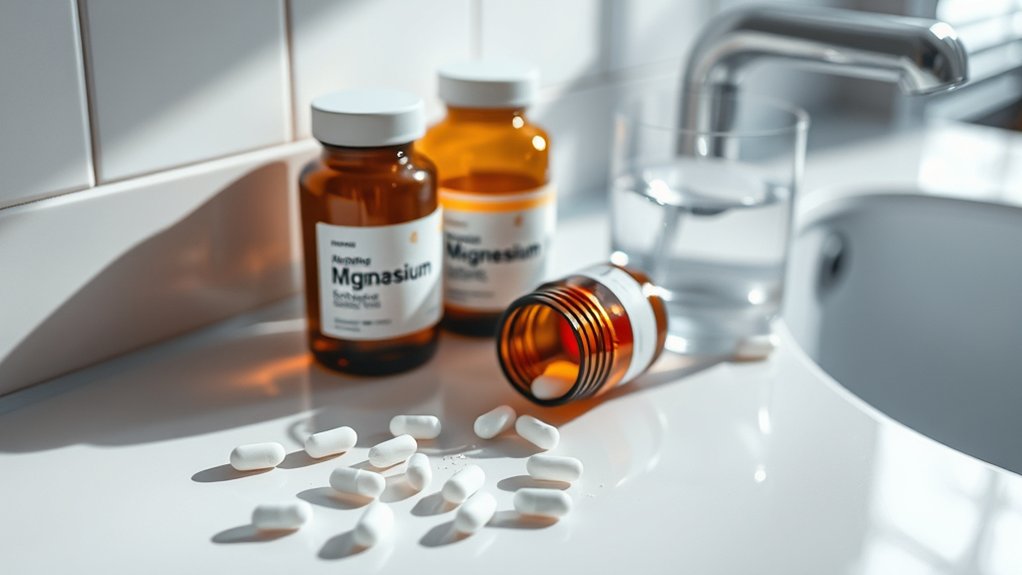
Can You Overdose On Magnesium Glycinate Supplement? Safe Daily Limits Explained
Yes, you can overdose on magnesium glycinate if you take more than the recommended 350 mg of elemental magnesium daily or have kidney problems that impair magnesium elimination. Overdose symptoms include nausea, diarrhea, muscle weakness, and irregular heartbeat.
It’s important to start with a low dose and consult your healthcare provider, especially if you take other medications. Understanding how to recognize overdose signs and manage risks can help you use this supplement safely and effectively.
What Magnesium Glycinate Does and Why Use It

Magnesium glycinate offers a highly absorbable form of magnesium that your body can efficiently use to boost magnesium levels. This supplement stands out for its superior bioavailability, making it ideal if you’re addressing magnesium deficiency symptoms like muscle cramps, fatigue, or headaches.
One key health benefit is its calming effect on your nervous system, which can help promote relaxation and improve sleep quality.
Unlike other magnesium forms, magnesium glycinate is less likely to cause gastrointestinal issues such as diarrhea, enhancing its tolerability.
Furthermore, it supports critical functions including heart health, blood sugar regulation, and muscle and nerve function.
Incorporating magnesium glycinate can effectively target deficiencies while providing broad health benefits without common side effects.
Recommended Daily Magnesium Glycinate Dosage
To experience the benefits of magnesium glycinate safely, you’ll want to pay close attention to the recommended daily dosage. The typical range for magnesium supplements like magnesium glycinate is 200 mg to 400 mg of elemental magnesium per day.
To safely enjoy magnesium glycinate benefits, follow the recommended daily dosage of 200-400 mg elemental magnesium.
However, adults should generally not exceed 350 mg daily to avoid adverse effects.
Before starting, it’s best to consult a healthcare provider, especially if you have health conditions or take other medications.
Here’s a quick guide to the recommended dosage:
- Begin with a lower dose, around 100-200 mg, to reduce gastrointestinal discomfort.
- Gradually increase to the target dose based on your body’s response.
- Don’t exceed 350 mg of elemental magnesium from supplements daily.
- Always discuss dosage adjustments with your healthcare provider.
Magnesium Glycinate Overdose Risk

If you take too much magnesium glycinate, you might notice symptoms like diarrhea, nausea, or muscle weakness. These are signs your body is reacting to an overload.
Now, if you have certain conditions, like kidney problems, the risks can be more serious. You could experience low blood pressure or irregular heart rhythms, which require immediate attention.
Overdose Symptoms Overview
Although magnesium glycinate is generally safe when taken as directed, overdosing can cause a range of symptoms you should recognize early. Excessive magnesium intake may lead to mild to severe symptoms that require attention to prevent complications.
Here are common overdose symptoms related to magnesium glycinate:
- Diarrhea, nausea, vomiting, and abdominal cramps due to its laxative effect.
- Muscle weakness and lethargy as magnesium levels rise dangerously.
- Low blood pressure and irregular heartbeat indicating cardiovascular impact.
- In extreme cases, respiratory distress and cardiac arrest, requiring emergency care.
Being aware of these symptoms helps you respond promptly if an overdose occurs. Always stick to recommended dosages to avoid magnesium toxicity.
Risk Factors Identification
When kidneys struggle to filter excess magnesium, the risk of overdose increases considerably, especially if you have impaired kidney function. Your body may not eliminate magnesium efficiently, raising the chance of magnesium toxicity.
Taking high doses of magnesium glycinate beyond the recommended 350 mg daily limit further elevates this risk, potentially causing nausea, diarrhea, and muscle weakness.
You should also be cautious if you’re on medications or laxatives containing magnesium, as combining these with supplements can unintentionally lead to overdose.
Pregnant women need special care with magnesium intake to avoid harm to themselves and their babies.
Finally, long-term use of magnesium glycinate without medical guidance increases overdose risk, particularly if you have chronic health issues or impaired kidney function.
Common Symptoms of Magnesium Glycinate Overdose
How do you recognize a magnesium glycinate overdose? Knowing the symptoms of magnesium overdose is vital, especially if you’re taking high doses. Here are common signs to watch for:
Recognizing magnesium glycinate overdose symptoms is crucial, especially when taking high doses.
- Diarrhea, nausea, and abdominal cramping caused by excessive magnesium intake.
- Muscle weakness and lethargy as your body struggles with elevated magnesium levels.
- Low blood pressure and irregular heart rhythms, signaling potential cardiovascular problems.
- Severe cases may lead to respiratory distress or even cardiac arrest.
If you notice any of these symptoms, it’s essential to consult a healthcare provider immediately.
Getting prompt professional advice can help manage the overdose and prevent serious complications.
Who Is Most at Risk for Magnesium Glycinate Overdose?
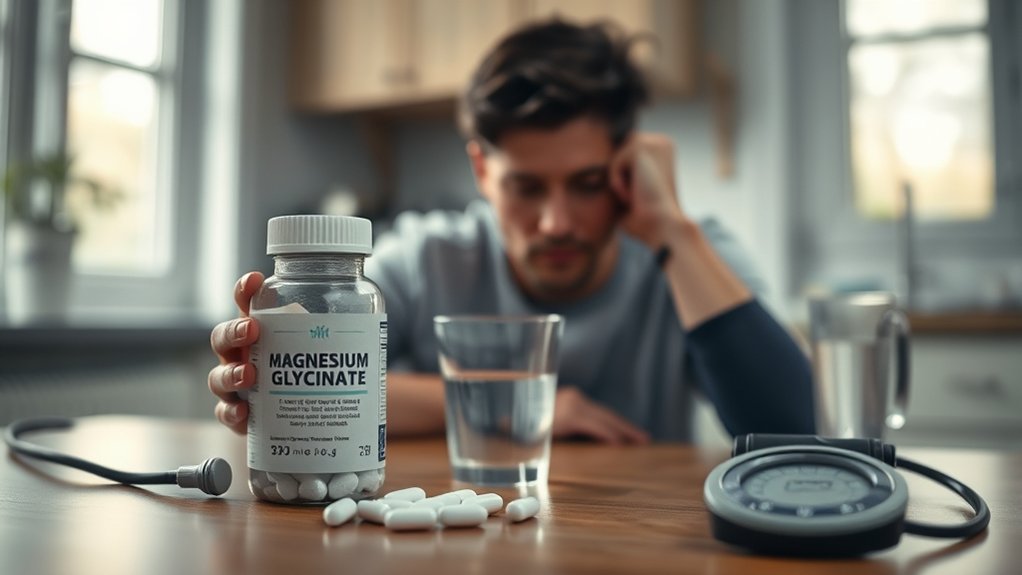
If you have kidney problems, your body mightn’t clear magnesium glycinate efficiently. This can increase your risk of an overdose.
Also, taking certain medications can interfere with your magnesium levels, making it harder to keep things balanced and safe.
Kidney Function Concerns
Because your kidneys play an essential role in filtering and eliminating excess magnesium, impaired kidney function greatly raises your risk of magnesium glycinate overdose. When your kidneys can’t efficiently remove magnesium, it accumulates, leading to magnesium toxicity.
You should be especially cautious if you:
- Have chronic kidney disease or reduced kidney function.
- Suffer from heart disease or gastrointestinal disorders affecting magnesium metabolism.
- Are pregnant with preeclampsia, which increases sensitivity to magnesium levels.
- Exceed the recommended 350 mg daily limit for magnesium supplements.
An overdose on magnesium can cause symptoms like muscle weakness, low blood pressure, and lethargy.
These symptoms tend to worsen if your kidney function is compromised.
Medication Interaction Risks
Who faces the highest risk of magnesium glycinate overdose when taking medications? You do if you have impaired kidney function, as your kidneys may struggle to eliminate excess magnesium effectively.
Certain medications, like some diuretics and antibiotics, can interact with magnesium glycinate, increasing overdose risks by amplifying magnesium’s effects.
If you’re elderly, age-related declines in kidney function and changes in medication metabolism raise your vulnerability.
Pregnant individuals, especially those with preeclampsia, should consult healthcare providers before use to avoid complications.
Furthermore, if you have gastrointestinal disorders, altered absorption may heighten overdose risks without proper supervision.
Always discuss your medications and health conditions with your doctor before starting magnesium glycinate to guarantee safe use and minimize potential overdose risks.
Dietary vs. Supplement Magnesium: Overdose Differences
While magnesium glycinate supplements offer a highly absorbable form of magnesium, you need to be cautious about the dosage to avoid toxicity.
Dietary magnesium, found in foods like nuts and leafy greens, rarely causes overdose because of lower absorption rates and natural binding with other food components.
Magnesium supplements, however, can lead to toxicity if taken above the tolerable upper intake level of 350 mg per day for adults.
Here’s what you should know:
- Dietary magnesium absorption is limited, reducing overdose risk.
- Magnesium supplements deliver concentrated doses that increase toxicity potential.
- Symptoms of overdose from supplements include diarrhea, nausea, and muscle weakness.
- People with kidney impairment face higher toxicity risks from supplements.
Magnesium Glycinate Drug Interactions to Watch For
If you’re taking magnesium glycinate, it’s important to be aware of potential drug interactions that can affect how your medications work.
Magnesium glycinate may reduce the absorption of certain antibiotics like tetracyclines and quinolones, so spacing doses is essential.
Combining it with diuretics can increase the risk of low blood pressure and electrolyte imbalances.
Also, calcium channel blockers may have additive effects with magnesium glycinate, which could further raise the risk of hypotension.
If you’re on bisphosphonates for osteoporosis, magnesium glycinate can interfere with their absorption, so careful timing is needed.
And if you’re taking heart medications, it’s a good idea to chat with your healthcare provider since magnesium glycinate might influence your cardiac function and rhythm.
Always discuss your supplement use with your doctor to avoid any unwanted drug interactions.
It’s better to be safe and make sure everything works well together.
What to Do If You Suspect a Magnesium Glycinate Overdose
If you think you might’ve taken too much magnesium glycinate, the first thing to do is to stop taking the supplement right away.
Keep an eye out for symptoms like feeling nauseous, muscle weakness, or low blood pressure.
If you notice anything more serious, such as an irregular heartbeat or extreme drowsiness, don’t wait—contact your healthcare provider immediately.
To avoid any risk of overdose in the future, make sure to keep your supplements out of reach of children and pay close attention to how much you’re taking.
Recognize Overdose Symptoms
Because magnesium glycinate can affect your body’s electrolyte balance, recognizing overdose symptoms early is vital. Overdose symptoms may vary from mild to severe, reflecting changes in your magnesium levels.
Watch for these signs and consult a healthcare provider promptly if they appear:
- Diarrhea, nausea, and stomach cramping
- Lethargy, muscle weakness, and dizziness
- Low blood pressure and facial flushing
- Irregular heartbeat or respiratory distress in severe cases
If you notice any of these symptoms, especially the severe ones, discontinue use immediately and seek medical advice.
Monitoring your magnesium intake is important, particularly if you have kidney issues or take high doses. Early recognition helps prevent complications and guarantees timely intervention.
Immediate Medical Actions
When you suspect a magnesium glycinate overdose, stop taking the supplement immediately and watch for symptoms like diarrhea, nausea, or muscle weakness.
Your next immediate medical actions should include contacting a healthcare professional or poison control center for prompt guidance. Be ready to provide details about the amount of magnesium glycinate ingested, especially if it exceeds the typical adult dose of 350 mg.
This information helps healthcare professionals assess the severity of the overdose and determine the appropriate treatment. In severe cases, medical intervention such as intravenous calcium may be necessary to counteract high magnesium levels.
Always inform the healthcare provider about any magnesium-containing supplements you’ve taken to guarantee accurate diagnosis and safe management of the overdose.
Prompt action is essential to prevent complications. Don’t hesitate to seek help right away — it can make all the difference.
Preventive Measures and Monitoring
Although magnesium glycinate is generally safe at recommended doses, you should immediately stop taking the supplement if you suspect an overdose to prevent further complications. To effectively manage the situation, follow these preventive measures and monitor your symptoms carefully.
First, watch out for signs like diarrhea, nausea, low blood pressure, and muscle weakness, which may indicate excess magnesium. If you notice anything unusual, don’t ignore it.
Next, consult a healthcare provider promptly if you experience severe symptoms such as irregular heartbeat, extreme drowsiness, or difficulty breathing. It’s better to be safe and get checked out right away.
Also, keep yourself hydrated to support your body’s natural detoxification processes. Staying hydrated really helps your body handle things better.
If you have kidney issues or take high doses, consider regular blood tests to monitor magnesium levels. Be sure to tell your healthcare provider about all supplements you use so they’ve the full picture.
These steps help guarantee your safety and prevent further complications. Just keep an eye on how you’re feeling and don’t hesitate to reach out for help if needed.
How Doctors Treat Magnesium Glycinate Overdose
If you or someone else experiences a magnesium glycinate overdose, doctors will immediately stop the supplement to prevent further magnesium buildup. Treatment focuses on reversing high magnesium levels and managing symptoms.
Intravenous calcium gluconate is often given to counteract magnesium’s effects, especially in severe cases. Hydration through IV fluids and diuretics helps your kidneys excrete excess magnesium.
Continuous monitoring of your cardiac function and essential signs is important, as overdose may cause life-threatening complications like cardiac arrest.
| Treatment Step | Purpose |
|---|---|
| Stop magnesium supplement | Prevent further magnesium buildup |
| IV calcium gluconate | Counteract magnesium effects |
| IV fluids and diuretics | Promote magnesium excretion |
| Cardiac and essential monitoring | Detect and manage complications |
Safe Magnesium Glycinate Usage and Tips
Because magnesium glycinate is highly absorbable and gentle on the stomach, you can use it to support relaxation and sleep with minimal gastrointestinal discomfort.
To use magnesium glycinate safely, follow these tips:
- Stick to the recommended dosage of 200 to 400 mg per day to avoid side effects like diarrhea or muscle weakness.
- Take magnesium glycinate with food to improve absorption and reduce stomach upset.
- If you have impaired kidney function, consult your healthcare provider before starting supplementation, as kidney issues increase overdose risk.
- Monitor your body’s response and discontinue use if you experience symptoms of overdose, such as nausea or weakness.
Just keep an eye on how your body reacts, and don’t hesitate to reach out to a healthcare professional if anything feels off.
Taking these simple steps can help you get the benefits of magnesium glycinate safely and comfortably.
Frequently Asked Questions
Can Magnesium Glycinate Cause Allergic Reactions?
Yes, magnesium glycinate allergies can occur, though they’re rare. If you notice symptoms like rash, itching, swelling, or difficulty breathing after taking it, you should identify these signs promptly.
Stop using the supplement and seek medical advice immediately.
Treatment options usually involve antihistamines or other allergy medications prescribed by your healthcare provider.
Always monitor new symptoms when starting magnesium glycinate, especially if you have a history of allergies or sensitivities.
It’s better to be cautious and get checked out if something feels off.
How Quickly Does Magnesium Glycinate Absorb in the Body?
Magnesium absorption rates for magnesium glycinate are quite efficient due to its high glycinate bioavailability. When you take it, your body typically reaches peak magnesium levels within 1 to 2 hours, offering fast-acting effects.
This chelated form helps you absorb magnesium quickly and comfortably, minimizing digestive discomfort.
If you want a reliable supplement for boosting magnesium, magnesium glycinate is a great choice because it works swiftly and effectively.
Does Magnesium Glycinate Affect Sleep Quality?
Yes, magnesium glycinate can positively affect your sleep quality. It supports sleep improvement by promoting muscle relaxation and reducing anxiety, which helps you fall asleep more easily.
This supplement also aids in regulating melatonin, the hormone that controls your sleep-wake cycle.
By calming your nervous system, magnesium glycinate helps you experience deeper, more restful sleep.
This is especially helpful if you struggle with insomnia or have a magnesium deficiency.
Can Magnesium Glycinate Be Taken With Food or on an Empty Stomach?
You can take magnesium glycinate with food or on an empty stomach, but dosage guidelines suggest food may improve absorption rates and reduce digestive discomfort.
While absorption is generally high regardless, food interactions can help minimize nausea some experience when taking it alone.
To get the best results, follow recommended dosage guidelines and consider timing it with meals unless your healthcare provider advises otherwise for your specific needs.
It’s really about what works best for you and your body. Just keep an eye on how you feel when you take it.
Are There Any Long-Term Benefits of Magnesium Glycinate Supplementation?
Imagine discovering the secret to well-being like a Renaissance alchemist. Magnesium glycinate benefits you in many ways.
With long-term supplementation, you’ll notice improved muscle relaxation and better sleep quality.
It also supports mood regulation, bone health, and metabolic balance. This helps maintain healthy blood sugar and cardiovascular function.
Conclusion
You might wonder if you can overdose on magnesium glycinate. While it’s rare, it’s possible, especially if you exceed recommended doses or have kidney issues.
Symptoms like nausea or irregular heartbeat shouldn’t be ignored. Always stick to the advised dosage and check for drug interactions to stay safe.
If you suspect an overdose, seek medical help immediately. By using magnesium glycinate responsibly, you can enjoy its benefits without risking your health.