Should I Take A Zinc Supplement? Everything You Need to Know
If you struggle to get enough zinc from foods like oysters, beef, or pumpkin seeds, or face risk factors like age or certain health issues, a zinc supplement might help support your immune system and healing.
However, too much zinc can cause side effects and interfere with some medications, so it’s best to consult a doctor before starting.
Understanding proper dosage, timing, and zinc’s role can help you decide if supplementing is right for you.
What Is Zinc and Why Does Your Body Need It

Zinc is an essential trace mineral that plays an important role in your body’s immune function, wound healing, and even your sense of taste. This essential mineral supports the development of immune cells, like T-cells and natural killer cells, which help regulate your immune system effectively.
For adult women, the recommended daily intake is 8 mg, though needs increase during pregnancy and lactation. Zinc deficiency, while uncommon with a balanced diet, can impair immune responses and slow wound healing.
You can find zinc in various dietary sources such as oysters, beef, pumpkin seeds, and fortified cereals. Including these foods helps maintain adequate zinc levels, supporting your overall health and immune resilience without the immediate need for supplementation.
Signs You Might Have a Zinc Deficiency
If your zinc levels are low, you might notice things like slow wound healing, hair loss, or even changes in your taste and smell.
It’s pretty common for certain groups—like older adults or people with digestive problems—to be at a higher risk of having a deficiency.
Since these symptoms can be similar to other health issues, the best way to know for sure is to get a blood test.
Common Zinc Deficiency Symptoms
When your body lacks enough of this essential mineral, you might notice signs like slow wound healing or a reduced ability to taste and smell.
Common symptoms of zinc deficiency include slow recovery from cuts and injuries, as zinc plays a key role in tissue repair. You may also experience loss of taste and smell, which can affect your appetite and food choices.
Skin lesions, such as dry or flaky patches, are frequent indicators of low zinc levels.
Moreover, zinc deficiency can weaken your immune system, making you more prone to infections. Hair loss is another symptom, often presenting as thinning or shedding.
Recognizing these signs early can help you address potential zinc deficiency before it impacts your health more considerably.
Risk Factors For Deficiency
Noticing symptoms like slow wound healing or changes in taste and smell might indicate an underlying issue with nutrient intake or absorption.
You should be aware that certain groups, especially older adults, face a higher risk of zinc deficiency due to decreased absorption rates.
If your immune system frequently feels compromised or you notice skin problems and hair loss, these could be signs linked to zinc deficiency.
Gastrointestinal conditions can also reduce zinc absorption, increasing your risk.
While recognizing these risk factors is important, self-diagnosis isn’t reliable.
It’s best to seek medical advice and consider a blood test to confirm if you have zinc deficiency before starting supplementation.
This approach guarantees a safe and effective strategy to address your nutritional needs.
Diagnosing Zinc Deficiency
How can you tell if your body lacks enough zinc? Zinc deficiency often shows through symptoms like slow wound healing, loss of taste or smell, and increased infections due to a weakened immune system.
To accurately diagnose zinc deficiency, consider these steps:
- Monitor symptoms closely, including skin lesions, hair loss, or delayed growth in children.
- Assess your risk factors, such as age or gastrointestinal conditions that impair nutrient absorption.
- Confirm with blood tests, which remain the most reliable method to detect zinc deficiency since symptoms can overlap with other issues.
If you suspect a deficiency, incorporating zinc-rich foods like oysters, beef, and pumpkin seeds can help prevent or address low zinc levels.
Always consult a healthcare professional before starting supplements.
How Much Zinc Do You Need Each Day?
Exactly how much zinc you need each day depends on factors like age, sex, and life stage. For adult men, the recommended daily intake (RDA) is 11 mg, while adult women need 8 mg.
Pregnant and lactating women require slightly more, 11 mg and 12 mg, respectively.
Pregnant and breastfeeding women need a bit more zinc—11 mg during pregnancy and 12 mg while lactating.
Children’s needs vary by age, with younger kids needing around 3 mg daily.
If you eat a varied diet, you’ll likely meet your zinc needs naturally. Zinc-rich foods such as meat, seafood, and fortified cereals provide ample amounts.
Understanding how much zinc you need helps you decide whether to focus on dietary sources or consider supplements. This is especially true if you suspect your intake isn’t adequate or if you have increased requirements due to health conditions or life stages.
Best Foods to Get Your Daily Zinc

When you want to boost your zinc intake, choosing foods rich in this mineral is a practical approach. Zinc plays an essential role in supporting your immune system and preventing deficiency.
Here are three top sources of zinc to include in your diet:
- Oysters, providing about 32 mg of zinc per 3 oz serving, are the richest natural source.
- Beef is a significant source with around 3.8 mg of zinc per 3 oz, helping meet daily needs.
- Pumpkin seeds are a great vegetarian option, offering roughly 2.2 mg per ounce, plus added nutrients.
Additionally, fortified cereals can help fill gaps, especially if your diet lacks zinc-rich whole foods.
Incorporating these options aligns with practical health tips to maintain adequate zinc levels and support overall wellness.
How Zinc Supplements Help Your Immune System
While getting zinc from food is the best approach, supplements can play an important role in supporting your immune system, especially if your intake falls short. Zinc supplements help maintain immune health by supporting the development and function of key immune cells, like T-cells and natural killer cells.
Low zinc levels impair immune function, increasing infection risk and recovery time. Taking zinc within 24 hours of cold symptoms may shorten their duration.
| Benefit | Explanation |
|---|---|
| Supports immune cells | Essential for T-cell and natural killer cell function |
| Regulates inflammation | Prevents excessive immune response |
| Shortens colds | May reduce cold duration if taken early |
| Meets RDA | Helps achieve 8 mg (women) / 11 mg (men) recommended intake |
Zinc supplements contribute to balanced immune health when dietary intake is insufficient. So, if you’re not getting enough zinc from your meals, adding a supplement could really help keep your immune system in good shape.
When Should You Consider Taking Zinc Supplements?
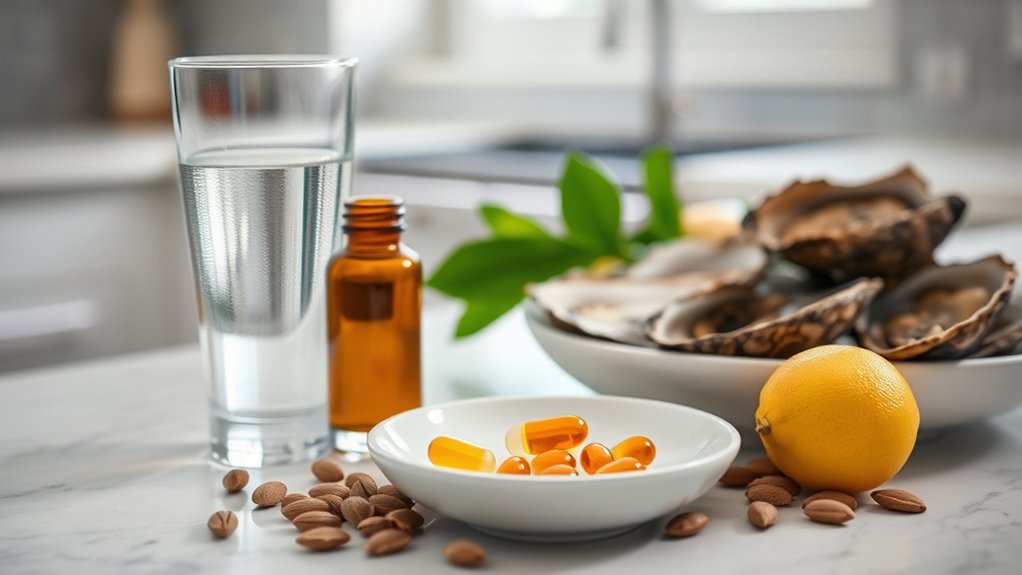
If you suspect a zinc deficiency or belong to certain risk groups, supplementing your intake might be necessary to support your health.
Taking zinc supplements can help maintain a strong immune system and may reduce cold duration when started early.
Consider supplementation if you have a diagnosed zinc deficiency, indicated by symptoms like slow wound healing or impaired taste.
You might also want to think about it if you’re at higher risk due to factors like a vegetarian or vegan diet, older age, or gastrointestinal diseases.
Another reason to consider zinc is if you want to shorten cold duration by taking it within 24 hours of symptom onset.
Always consult your doctor before taking supplements, especially if you’re on medications that could interact with zinc.
This way, you ensure safe and effective support for your immune system and overall well-being.
What to Watch Out For When Taking Zinc Supplements
Taking zinc supplements can offer health benefits, but it’s important to be aware of potential risks and side effects. You might experience nausea, diarrhea, or headaches, especially with high doses.
Zinc supplements can boost health but may cause nausea, diarrhea, or headaches at high doses.
Long-term use above 40 mg daily can cause copper deficiency, which may lead to anemia and neurological problems. This imbalance can also impair your immune system’s function.
To avoid complications, monitor levels regularly through blood tests, particularly if you have gastrointestinal issues. Be cautious with zinc supplements as they can interact with certain medications, though specific drug interactions will be covered later.
Furthermore, avoid intranasal zinc products due to the risk of losing your sense of smell. Always consult your healthcare provider to guarantee safe and effective supplementation tailored to your needs. It’s better to be safe and get personalized advice!
Zinc and Medication Interactions You Should Know
You should know that zinc supplements can interfere with certain antibiotics like quinolones and tetracyclines.
So, timing your doses carefully is really important. Taking zinc too close to these medications might reduce how well they work.
It’s always a good idea to chat with your healthcare provider about the best way to schedule your supplements alongside your prescriptions.
Zinc and Antibiotics
Although zinc offers important health benefits, it can interfere with certain antibiotics like quinolones and tetracyclines, reducing their effectiveness when taken at the same time.
If you’re considering zinc supplements while on antibiotics, keep these points in mind:
- Zinc may hinder the absorption of quinolone and tetracycline antibiotics, impacting their ability to combat infections.
- It can also reduce the efficacy of penicillamine, a medication for rheumatoid arthritis.
- Medications like diuretics can increase zinc loss, potentially leading to deficiency and a weakened immune system.
To avoid interactions and guarantee both your medications and zinc supplements work effectively, always consult your healthcare provider before starting zinc, especially if you’re managing a health condition with medications.
It’s better to be safe and get personalized advice.
Timing With Medications
Because zinc can interfere with how your body absorbs certain medications, timing your supplement intake carefully becomes vital. Zinc can reduce the absorption of antibiotics like quinolones and tetracyclines, lowering their effectiveness if taken together. To avoid this, take your zinc supplement at least two hours apart from these antibiotics.
Moreover, zinc may decrease the efficacy of penicillamine, a rheumatoid arthritis medication, so separating the doses is important.
If you’re on diuretics, be aware they can increase zinc loss through urine, which could lead to deficiency. It’s a good idea to monitor your zinc levels and consult a healthcare professional before starting supplementation, especially when you’re taking medications.
This way, you can make sure your treatments stay effective and you avoid unwanted interactions while still addressing your zinc needs.
Choosing the Right Zinc Supplement for You
How do you determine which zinc supplement suits your needs best? First, choose a form that’s bioavailable. Zinc gluconate, citrate, and acetate are well absorbed, unlike zinc oxide.
Next, consider the dosage carefully. Adults shouldn’t exceed 40 mg daily to safely support the immune system without risking toxicity.
Finally, look for supplements that are third-party tested to confirm quality and purity, ensuring you get what the label promises. Avoid intranasal zinc products due to safety concerns.
If you’re on medications, consult a healthcare professional to avoid interactions, especially with antibiotics or rheumatoid arthritis drugs.
Tips for Getting Enough Zinc Through Diet and Lifestyle
To get enough zinc, try to include zinc-rich foods like oysters, beef, and pumpkin seeds in your meals.
If you’re following a plant-based diet, don’t worry—you can still get plenty of zinc by adding lentils, chickpeas, and nuts to your plates.
Plus, using cooking techniques like soaking or fermenting can actually help your body absorb zinc better.
It’s all about balancing your diet with a variety of sources and healthy habits.
That way, you can meet your daily zinc needs naturally, without having to rely only on supplements.
Zinc-Rich Food Sources
Although you might consider supplements, getting enough zinc through your diet is both effective and natural. Zinc plays a vital role in supporting your immune system. Choosing the right food sources helps you meet daily needs without extra pills.
Here are three top zinc-rich options:
- Oysters stand out as the richest source, offering about 32 mg per 3 ounces. They’re ideal for a significant zinc boost.
- Beef provides roughly 3.8 mg per 3 ounces. It’s a solid choice for non-vegetarians.
- For a vegetarian option, pumpkin seeds deliver around 2.2 mg per ounce. Fortified cereals can conveniently help you reach the recommended intake too.
Incorporating these foods into your meals supports balanced zinc levels naturally and efficiently. It’s an easy way to keep your body happy and healthy.
Lifestyle Habits Supporting Zinc
When you focus on lifestyle habits that support zinc intake, you’ll find it easier to meet your daily needs naturally. Incorporate zinc-rich foods like oysters, beef, pumpkin seeds, and lentils into your meals to support your immune system and metabolism.
If you’re vegetarian, consider fortified cereals and dairy products to prevent deficiency. Balancing animal and plant-based foods guarantees you absorb zinc effectively, promoting overall health. Cooking methods like grilling help retain zinc content, maximizing benefits.
| Habit | Benefit |
|---|---|
| Eat zinc-rich foods | Supports immune system |
| Include fortified foods | Prevents deficiency |
| Balance diet | Enhances nutrient absorption |
| Use proper cooking | Retains zinc in foods |
| Mix plant & animal | Supports metabolism & health |
Frequently Asked Questions
Can Zinc Supplements Improve Hair Growth?
Zinc supplements can improve hair growth if you have zinc deficiency symptoms like hair loss or thinning. Since hair loss causes vary, you should check your zinc levels first.
Keep in mind supplement dosage recommendations to avoid side effects and consider zinc absorption factors, such as diet and medications.
Eating dietary zinc sources like meat and nuts also supports hair health nutrients.
Always consult your healthcare provider before starting supplements to guarantee safe, effective use. It’s best to get personalized advice to make sure you’re doing what’s right for your hair and overall health.
Does Zinc Affect Taste and Smell Senses?
Like a key opening a door, zinc plays an essential role in your taste and smell senses. Zinc deficiency symptoms often include impaired taste and smell.
To support these senses, focus on zinc food sources like meat and nuts, considering zinc absorption rates vary.
Make sure to follow zinc dosage recommendations carefully to avoid toxicity risks.
Besides sensory benefits, zinc supports immune function, so balancing intake is important for overall health. Taking the right amount can really make a difference!
How Does Zinc Impact Wound Healing Speed?
Zinc speeds up wound healing by supporting skin repair and cellular regeneration.
If you experience zinc deficiency symptoms, your immune function weakens, slowing recovery and increasing infection risk.
Zinc helps reduce inflammation and promotes nutrient absorption essential for tissue repair.
By enhancing these processes, zinc directly impacts how quickly wounds close.
Ensuring adequate zinc levels optimizes healing, especially when your body needs to rebuild damaged skin efficiently.
Can Zinc Supplements Help With Acne Treatment?
If you’re struggling with acne, like Sarah who saw fewer lesions after taking zinc gluconate, zinc supplements can help.
Zinc acne studies show doses between 30-300 mg effectively reduce symptoms by addressing zinc deficiency symptoms. You can also get zinc from food sources like nuts and meat, which support zinc skin benefits.
Just watch for zinc supplement side effects and consult your doctor before starting to guarantee safe use.
It’s always best to check in with a healthcare professional to make sure zinc is right for you. Taking the right amount can make a real difference in your skin’s health.
Is It Safe to Take Zinc Supplements During Pregnancy?
Yes, you can safely take zinc supplements during pregnancy if you follow zinc dosage guidelines and consult your healthcare provider.
It’s a good idea to focus on zinc food sources like meat, seafood, and legumes first.
Be aware of potential side effects from taking too much zinc, such as copper deficiency.
Also, watch for symptoms of zinc deficiency like poor immune function.
Proper prenatal nutrition means balancing zinc supplementation timing to support fetal development without going over 40 mg daily.
Just keep in touch with your healthcare provider to make sure you’re on the right track.
Conclusion
When it comes to zinc, think of it as your body’s silent guardian. It’s essential but easy to overlook. You might not always notice a deficiency, yet zinc plays a vital role in immunity and overall health.
Before you reach for a supplement, weigh your diet and possible interactions carefully. Understanding your needs and options helps you make an informed choice. This way, you support your well-being without overstepping the balance your body requires.