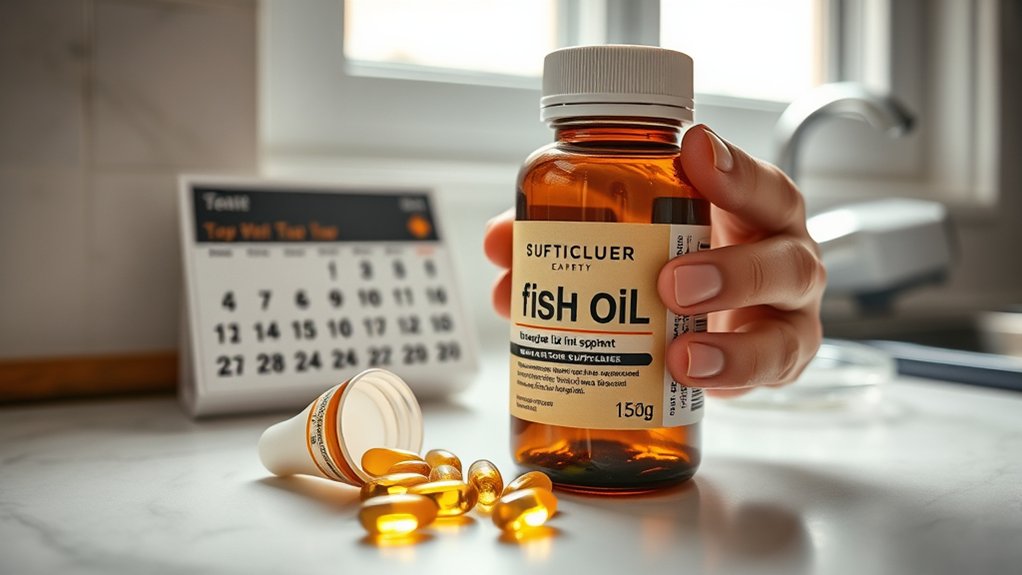
Is It Safe To Take Fish Oil Supplement If Expired? What You Need to Know
You can take expired fish oil supplements if they don’t show signs of rancidity like a bad smell, bitter taste, or cloudy appearance. However, their omega-3 potency and benefits may be reduced. Consuming rancid oil can cause stomach discomfort, so it’s best to use caution and check the product carefully.
For ideal safety and effectiveness, fresh fish oil is preferred. Keep exploring to understand how to identify spoilage, store properly, and when to replace your supplements.
What Is Fish Oil and Why Take It?
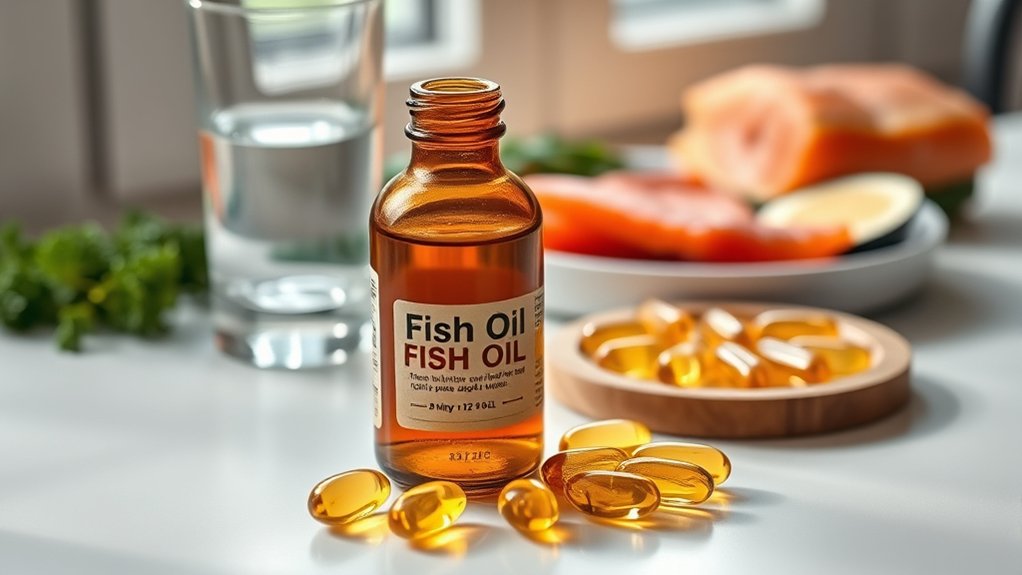
Although fish oil comes from the fatty tissues of fish like salmon and mackerel, you might take it primarily for its rich omega-3 fatty acids, EPA and DHA. These are essential for supporting heart and brain health.
Fish oil supplements deliver these omega-3 fatty acids efficiently, helping lower triglyceride levels, reduce inflammation, and promote cardiovascular well-being.
Beyond heart health, omega-3 fatty acids in fish oil can also support mental health by potentially easing symptoms of depression and anxiety.
You’ll find these supplements in capsules, liquids, or gummies. The quality can vary based on the fish source and processing methods.
Incorporating fish oil supplements into your routine can be a practical way to maintain ideal omega-3 intake and support overall health effectively.
It’s an easy addition that might make a real difference over time.
Do Fish Oil Supplements Expire? What You Should Know
You should know that fish oil supplements do expire. Their potency declines over time, even if they don’t become immediately unsafe. Expiration dates are there to show you when the product is at its best quality.
You can usually tell if fish oil has gone bad by a rancid smell, an off-taste, or changes in color and texture. These are signs that it’s time to toss them out.
Storing your supplements properly can help keep them effective for longer.
But if you do end up consuming rancid oil, it might cause some discomfort. So, it’s always a good idea to check your fish oil carefully before taking it.
Fish Oil Expiration Dates
Since fish oil supplements have expiration dates, it’s important to understand what they mean for the product’s quality and effectiveness. Fish oil expiration dates indicate how long the supplement is expected to maintain its potency and safety.
While expired fish oil might still be safe to take, its effectiveness can decline, and it may cause discomfort if rancid.
To manage your fish oil supplements properly, keep these points in mind:
- Store fish oil in a cool, dark place to extend its shelf life and preserve potency.
- Use products before the expiration date to guarantee maximum effectiveness.
- Watch for signs of rancidity, such as a strong fishy smell or off-taste, which suggest the oil has degraded.
Following these steps helps you get the best from your fish oil supplements. Just a little care goes a long way with these supplements!
Signs Of Fish Oil
Understanding how to recognize signs of fish oil degradation helps you avoid consuming supplements that have lost their effectiveness or could cause discomfort.
Expired fish oil often has a rancid smell, a bad taste, or a cloudy appearance. These signs indicate oxidation and reduced potency.
While some expired fish oil may still be safe if it doesn’t have off-odors or flavors, its health benefits probably decline. Consuming rancid fish oil can lead to gastrointestinal issues like an upset stomach or diarrhea.
Proper storage helps maintain the quality of your fish oil.
| Sign | What It Means | Impact on You |
|---|---|---|
| Rancid Smell | Oxidation of oil | Unpleasant, possible nausea |
| Bad Taste | Spoiled oil | Discomfort, reduced benefit |
| Cloudy Appearance | Degradation | Lower potency |
| Expiration Date Passed | Potential quality decline | Diminished health benefits |
Potency Loss Over Time
Although fish oil supplements don’t become immediately harmful after their expiration date, their potency and effectiveness do decline over time. The expiration date shows when the manufacturer expects the product to maintain peak quality, but potency loss is pretty common in expired supplements.
You should watch for signs like rancid fish oil because that means oxidation has happened and the benefits are reduced. To minimize potency loss, focus on proper storage by keeping supplements in cool, dark places to slow degradation.
Also, check expiration dates regularly so you don’t end up using outdated products. Make sure to inspect for rancid odors or off tastes, since that’s a clear sign the oil has gone bad.
While a slight expiration without rancidity mightn’t cause severe harm, consuming rancid fish oil can lead to gastrointestinal discomfort and less effectiveness overall.
What Happens When Fish Oil Expires
When fish oil expires, its potency goes down, so you won’t get all the benefits of those omega-3s.
You might also start to notice it smells really fishy or tastes unpleasant. That rancid smell and taste can even cause some digestive problems.
Potency Loss Over Time
Because fish oil supplements undergo oxidation over time, they gradually lose their potency and effectiveness. When you use expired fish oil, you may not get the full health benefits you expect.
Here’s what happens with potency loss over time:
- The omega-3 fatty acids degrade, reducing the supplement’s effectiveness.
- Oxidation can lead to a rancid smell, indicating chemical changes that affect potency.
- Proper storage in cool, dark environments helps slow down oxidation and maintain potency longer.
While expired fish oil isn’t always unsafe, its diminished potency means it may not support your health as well as fresh supplements.
To maximize benefits, always check expiration dates and store your fish oil properly to minimize potency loss and avoid quality deterioration.
Signs Of Rancidity
If your fish oil supplement has developed a strong fishy or sour odor, it’s likely become rancid due to chemical breakdown. Other signs of deterioration include a bitter aftertaste and visual changes like cloudiness or separation in capsules. Consuming rancid fish oil can cause mild gastrointestinal issues, such as stomach upset or diarrhea.
Moreover, rancid oil loses potency, reducing its health benefits and potentially producing harmful byproducts. So, it’s important to recognize these signs and avoid taking expired fish oil.
| Sign | Description | Effect on You |
|---|---|---|
| Odor | Fishy, sour, or cardboard-like | Indicates rancidity |
| Appearance | Cloudiness or capsule separation | Compromised quality |
| Taste & Health Impact | Bitter/metallic taste; GI issues | Reduced potency; stomach upset |
Recognizing these signs helps you avoid expired, ineffective fish oil.
How to Spot Rancid or Spoiled Fish Oil

How can you tell if your fish oil supplement has gone rancid? Identifying signs of degradation early helps you avoid consuming expired or spoiled oil that could cause gastrointestinal discomfort. Here’s what to look for:
- Smell: A rancid fish oil gives off a strong fishy, sour, or cardboard-like odor. This usually means oxidation and spoilage have set in.
- Taste: If your liquid fish oil has a bitter or metallic aftertaste, that’s a clear sign the oil isn’t fresh anymore.
- Appearance: Cloudiness or separation inside capsules is a sign of degradation and reduced potency.
If you notice any of these signs, it’s best to toss the supplement.
Storing your fish oil in a cool, dark place with airtight containers can help prevent rancidity and keep it effective longer.
Is It Safe to Take Expired Fish Oil Capsules?
Wondering whether you can safely take expired fish oil capsules? If your capsules show no signs of rancidity, like a bad smell or taste, they’re generally safe but might have reduced potency.
Taking slightly expired capsules without off-odors probably won’t cause any harm. But if the capsules show clear signs of rancidity, it’s best to toss them to avoid possible discomfort.
Since the health benefits diminish over time, it’s a good idea to replace expired supplements to get consistent results.
| Condition | Safety | Action |
|---|---|---|
| No rancidity | Safe to consume | Use if needed |
| Slightly expired | Low risk, reduced potency | Use cautiously |
| Signs of rancidity | Unsafe, potential discomfort | Discard |
| Unknown status | Uncertain | Inspect carefully |
Try to prioritize fresh fish oil for the best benefits.
Side Effects of Taking Expired Fish Oil Supplements
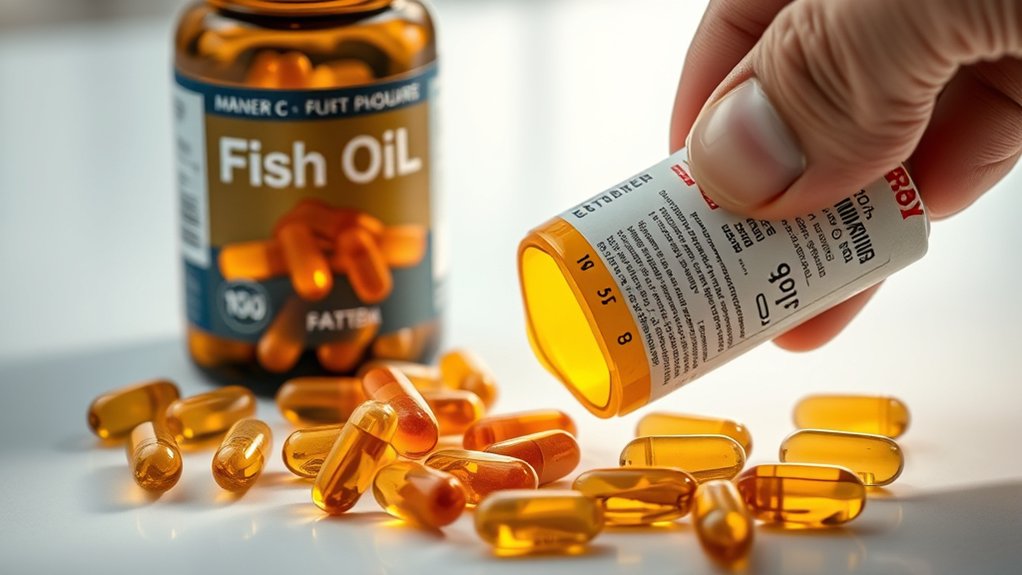
If you take expired fish oil supplements, you might notice some stomach issues like upset or diarrhea. This is especially true if the oil has gone rancid.
You can usually tell if the oil is rancid by a strange smell or a strong fishy taste—these are signs that the oil has started to break down chemically.
On top of that, expired supplements mightn’t give you the same nutritional benefits, so they won’t be as effective as fresh ones.
It’s always a good idea to check the expiration date and the smell before taking them.
Gastrointestinal Discomfort Risks
Although fish oil supplements offer numerous health benefits, taking them past their expiration date can cause gastrointestinal discomfort. When you consume expired fish oil, you risk experiencing adverse side effects that affect your digestive system.
Here are key gastrointestinal discomfort risks linked to expired fish oil:
- Upset stomach, diarrhea, or nausea due to degradation and rancid fish oil presence.
- Decreased absorption of nutrients, limiting the intended health benefits of the supplement.
- Heightened sensitivity or allergic reactions, worsening digestive symptoms.
Rancid fish oil produces off-odors and unpleasant tastes, which can further irritate your gastrointestinal tract.
To avoid these adverse side effects and preserve the health benefits, it’s best not to take fish oil supplements beyond their expiration date.
Rancid Oil Symptoms
When fish oil supplements spoil, they develop rancid qualities that can cause noticeable symptoms. You might detect a strong fishy aftertaste or sour smell. These are clear signs of rancidity.
Consuming these rancid oils can trigger gastrointestinal issues like nausea, diarrhea, or stomach upset. Plus, rancid fish oil loses much of its nutritional value, making it less effective.
Watch for cloudiness or separation in capsules as other signs of rancidity. Long-term use may introduce harmful oxidation products, which could cause inflammation.
| Symptom | Description | Indicator of Rancidity |
|---|---|---|
| Fishy Aftertaste | Bitter or metallic flavor | Strong sign |
| Odor | Sour, fishy, or cardboard smell | Early warning |
| Capsule Appearance | Cloudiness or oil separation | Visual cue |
| Gastrointestinal Issues | Nausea, diarrhea, stomach upset | Physical reaction |
Reduced Nutritional Benefits
Because fish oil supplements degrade over time, their omega-3 fatty acids like DHA and EPA lose effectiveness, reducing the health benefits you expect. When fish oil capsules expire, they may no longer deliver the intended nutritional value.
Here’s what happens with expired supplements: Fish oil capsules lose their effectiveness, providing fewer omega-3s essential for heart, brain, and joint health. Rancid fish oil forms due to oxidation, which not only diminishes benefits but can produce harmful compounds that may trigger inflammation.
Consuming expired supplements might cause mild side effects such as stomach upset or a bitter aftertaste, signaling decreased quality.
To maintain peak health benefits, always check expiration dates and avoid using rancid fish oil. This way, you’re sure you’re getting effective and safe supplementation.
When Should You Replace Expired Fish Oil Supplements?
How do you know it’s time to replace your fish oil supplements? You should replace expired fish oil supplements once they pass their expiration dates because oxidation reduces their potency and health benefits. If you notice a rancid smell, off-taste, or changes in texture or color, it’s a clear sign to discard them.
Even unopened bottles that are slightly past their expiration date are best replaced to guarantee effectiveness and avoid any gastrointestinal discomfort. It’s better to be safe than sorry when it comes to your health.
| Indicator | Action Needed |
|---|---|
| Past expiration date | Replace immediately |
| Rancid smell | Discard supplements |
| Off-taste | Stop use and replace |
| Visible texture/color changes | Replace |
| Unopened but expired | Consider replacing |
Make sure to regularly check expiration dates to keep your omega-3s at their best. This helps you avoid reduced health benefits caused by oxidation and keeps your supplements effective.
How to Store Fish Oil Properly to Extend Shelf Life
To extend the shelf life of your fish oil supplements, you should store them in a cool, dry place away from direct sunlight. Heat and light speed up oxidation, which can reduce the quality of your fish oil. Keeping them properly stored helps maintain their potency and prevents rancidity.
Here are some tips to help you store fish oil effectively:
- Use an air-tight container to limit oxygen exposure. Oxygen speeds up oxidation and breaks down the fish oil faster.
- Avoid storing your supplements in humid areas like bathrooms. Moisture can mess with the quality of the fish oil.
- Refrigerate if the label recommends it. Cooler temperatures slow down oxidation and keep your fish oil fresher for longer.
How to Dispose of Expired or Rancid Fish Oil Supplements
Properly disposing of expired or rancid fish oil supplements is essential to protect both your health and the environment. First, check for rancid smells or visual changes before deciding to dispose. Never flush or pour supplements down drains, as this risks water contamination.
Instead, seal capsules in a bag or container to prevent accidental ingestion. Always follow local disposal guidelines, including utilizing take-back locations if available.
| Step | Action |
|---|---|
| Inspect | Look for rancid smells or cloudiness |
| Seal & Trash | Place in sealed bag before trash |
| Follow Local Guidelines | Use take-back programs or local rules |
These safety considerations guarantee expired fish oil supplements are handled responsibly and safely.
Should You Consult a Doctor Before Taking Expired Fish Oil?
Why should you consult a doctor before taking expired fish oil supplements? It’s important to weigh the potential risks and benefits with a healthcare professional, especially since expired fish oil can vary in quality.
Here’s why you should consult a doctor:
- Assess potential risks related to oxidation or rancidity that might affect your health.
- Determine if omega-3 supplementation from expired fish oil aligns with your medical history.
- Get personalized guidance or alternative recommendations to guarantee safe and effective omega-3 intake.
A healthcare professional can clarify the specific effects of oxidized omega-3s and help you decide if taking expired fish oil is appropriate.
Always consult a doctor before using expired fish oil to protect your health and optimize your supplementation strategy.
Frequently Asked Questions
Can Expired Fish Oil Supplements Interact With Other Medications?
Yes, expired fish oil supplements can affect medication absorption and liver health because of expiration effects like oxidation.
You should be cautious, especially if you have allergy concerns or take blood-thinning drugs. Rancid oil might increase side effects.
Always follow dosage recommendations and check with your healthcare provider to avoid negative interactions.
It’s a good idea to monitor the supplement’s smell or taste, as spoilage can make medication interactions worse.
Are Liquid Fish Oil Supplements More Likely to Expire Than Capsules?
You should know liquid fish oil supplements can degrade within 90 days after opening due to higher oxidation rates compared to capsules.
Their liquid stability is lower because air and light exposure speed up rancidity. Capsules, with better protective barriers, generally maintain supplement quality longer.
Paying attention to freshness indicators like off-odors helps you assess safety.
Proper storage conditions, like keeping them cool and dark, can extend the shelf life of both forms.
Does the Expiration Date Vary by Fish Oil Brand or Type?
Yes, the expiration date does vary by fish oil brand or type because different brands have their own quality assurance and manufacturing processes.
You should also think about the shelf life, which can be different for cod liver oil, krill oil, and standard fish oil.
Storage conditions like exposure to light and heat play a big role in how long the oil stays potent. It’s a good idea to keep these factors in mind.
Being informed helps you make smarter choices. That way, you can pick products that are less likely to degrade and make sure you get all the benefits before they expire.
Can Fish Oil Supplements Improve Skin Health?
Yes, fish oil supplements can improve your skin health by providing omega-3 sources that support skin hydration and help prevent aging.
Their anti-inflammatory effects help reduce redness and irritation, which can lead to noticeable acne reduction.
Regularly taking fish oil boosts lipid levels, enhancing skin texture and elasticity.
These benefits combine to promote a clearer complexion and healthier, more youthful skin overall.
Are There Natural Alternatives to Fish Oil Supplements for Omega-3?
Yes, you can find natural alternatives to fish oil supplements for omega-3. Flaxseed oil and chia seeds provide ALA, a plant-based omega-3 your body partially converts to EPA and DHA.
Walnuts are great too, offering heart-healthy fats and omega-3s.
Hemp oil also stands out because it offers a balanced profile of omega-3 and omega-6.
If you want a direct source of EPA and DHA, algae supplements are an excellent vegan option. Plus, there’s growing scientific support backing their benefits.
Conclusion
While fish oil offers clear health benefits, taking expired supplements risks consuming rancid oils that may harm rather than heal. You want the advantages, but not at the cost of potential digestive upset or reduced potency.
Balancing these facts, it’s wiser to replace expired fish oil to guarantee safety and effectiveness. Always store them properly and consult your doctor if unsure. Your health deserves evidence-based caution, not unnecessary risk.