Do I Need A Potassium Supplement? Health Benefits and Side Effects
You might need a potassium supplement if you experience symptoms like muscle cramps, irregular heartbeats, or fatigue. This is especially true if you have chronic conditions or take medications that lower potassium.
Many adults don’t meet daily potassium recommendations through diet alone. Because of this, supplements can be helpful in some cases.
However, too much potassium can cause serious health issues. So, it’s important to consult your healthcare provider before starting any supplement.
Take some time to discover the key factors to evaluate for safe and effective potassium management.
What Is Potassium and Why Does Your Body Need It?
Potassium is an essential mineral that your body relies on to regulate fluid balance, support muscle contractions, and transmit nerve signals effectively. This electrolyte carries an electric charge, which is fundamental for maintaining heart health and ensuring muscles, including the heart, function properly.
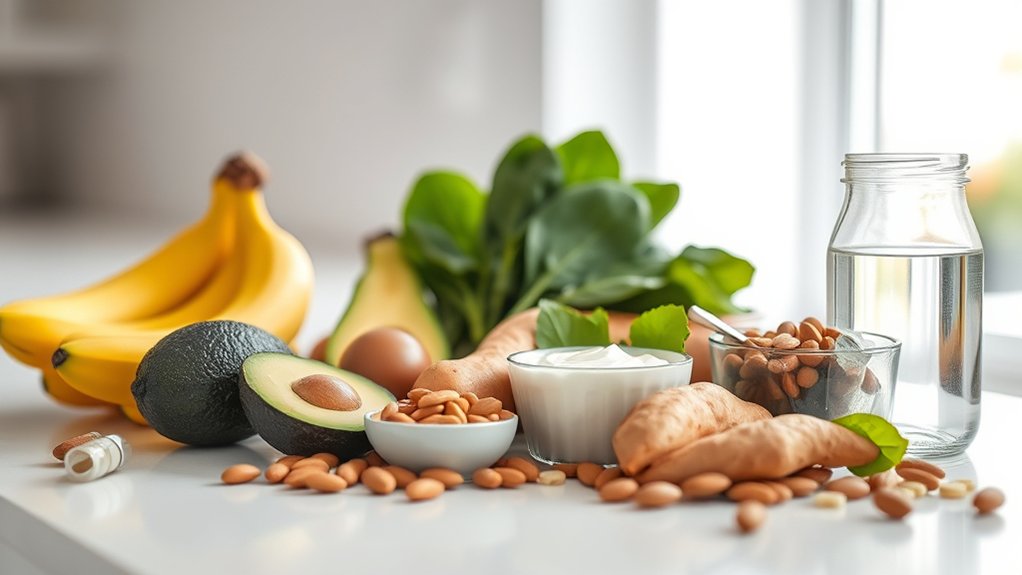
Your body needs potassium daily, with the recommended intake around 3,400 mg for adults assigned male at birth and 2,600 mg for adults assigned female at birth. To meet these requirements, focus on a balanced diet rich in high-potassium foods such as bananas, avocados, leafy greens, and legumes.
Aim for 3,400 mg (male) or 2,600 mg (female) potassium daily through foods like bananas and leafy greens.
Maintaining adequate potassium levels supports muscle function and fluid balance, which are critical for your overall health.
Prioritizing potassium through diet helps keep your heart rhythm steady and muscles working efficiently. So, making sure you get enough potassium is definitely worth it!
Who Is at Risk for Potassium Deficiency?
If you have certain chronic health conditions or take specific medications, you might be at a higher risk for potassium deficiency. Conditions like chronic kidney disease and inflammatory bowel disease can impair potassium balance and absorption.
Taking diuretics, ACE inhibitors, or laxatives may cause your body to lose potassium, increasing deficiency risk.
Older adults are also more vulnerable because of changes in kidney function and poor dietary intake of potassium-rich foods.
Plus, not eating enough fruits and vegetables can contribute to low potassium levels.
Potassium deficiency may lead to an electrolyte imbalance, which can affect your overall health.
It’s important to seek medical advice if you think you’re at risk. That way, you can manage your potassium levels safely and effectively.
What Are the Signs and Symptoms of Potassium Deficiency?

How can you tell if your potassium levels are low? Potassium deficiency, or hypokalemia, often causes muscle weakness, cramps, and fatigue because potassium is essential for muscle contraction and nerve function.
You might also notice irregular heartbeats, which indicate the heart’s electrical activity is affected by low potassium.
Digestive functions can suffer too, leading to constipation, since potassium helps regulate fluid balance in your intestines.
If you have chronic health conditions or take certain medications, your risk of potassium deficiency increases, making these symptoms more likely.
It’s important to monitor these symptoms and guarantee adequate potassium intake to maintain your overall health and prevent severe complications like respiratory failure or cardiac arrest.
How Much Potassium Do Adults Need Daily?
Adults typically need between 2,600 and 3,400 milligrams of potassium daily, depending on factors like sex and life stage. The National Institutes of Health outlines these adequate intake levels to support your potassium needs.
Specifically, adults assigned male at birth require about 3,400 mg, while adults assigned female at birth need around 2,600 mg.
Pregnant and breastfeeding individuals have slightly higher requirements.
To help manage blood pressure and maintain a healthy diet, consider these key points:
Potassium-rich foods include fruits, vegetables, and legumes. Many adults don’t meet recommended potassium intake. Adequate intake levels are established, not RDAs. A registered dietitian can tailor potassium guidance for you. Balanced potassium intake supports cardiovascular health.
Meeting these guidelines supports your overall well-being effectively.
Can You Get Enough Potassium From Food Alone?

You can definitely meet your potassium needs by eating a variety of foods like bananas, avocados, sweet potatoes, and spinach—these are all naturally high in potassium.
That said, things like how you cook your food or certain dietary restrictions might make it a bit tricky to get enough potassium just from food alone.
Potassium-Rich Food Sources
Although some people consider supplements, most individuals can meet their daily potassium needs through a well-balanced diet. Healthy people can get sufficient potassium by eating potassium-rich foods found in natural food sources.
Incorporating a variety of fruits and vegetables, whole grains, and low-fat dairy helps you reach the daily recommended potassium content without supplements.
To maximize potassium retention, choose cooking methods like steaming or roasting instead of boiling. These methods help keep more potassium in your food, which is a simple way to boost your intake.
Focus on these potassium-rich foods to support your intake:
- Bananas (approximately 451 mg per medium fruit)
- Avocados
- Spinach
- Potatoes
- Legumes
Dietary Intake Challenges
While incorporating potassium-rich foods into your diet is essential, many people still struggle to meet the recommended daily intake of 3,400 mg for men and 2,600 mg for women through diet alone. High-potassium foods like bananas, leafy greens, and legumes definitely help support your potassium intake.
But dietary restrictions, such as low-carb or low-calorie plans, can limit your options. Plus, cooking methods like boiling may reduce potassium levels in vegetables, making it even harder to reach the recommended amount.
If you have certain health conditions, like kidney disease or inflammatory bowel disease, you should be extra cautious. It’s a good idea to consult healthcare providers for advice tailored to your needs.
Maintaining a balanced diet is key, but sometimes getting enough potassium from food alone might require professional guidance or supplements. It’s always best to get personalized recommendations to stay on track.
When Should You Consider Taking a Potassium Supplement?
Consider supplementation if:
You have hypokalemia symptoms like muscle cramps or an irregular heartbeat.
Watch for hypokalemia signs such as muscle cramps or irregular heartbeat to consider potassium supplementation.
You’re on a restrictive diet that lacks potassium-rich foods.
You have inflammatory bowel disease or other conditions that cause potassium loss.
You use medications that deplete potassium.
Or if your healthcare provider diagnoses a deficiency.
Always seek professional health care advice to confirm safe and effective potassium supplementation tailored to your needs.
What Are the Risks of Taking Too Much Potassium?
If you take too much potassium, you increase your risk of developing hyperkalemia, a condition that can cause irregular heart rhythms, nausea, and muscle weakness.
Excess potassium is especially dangerous if you have impaired renal function since your kidneys may not effectively eliminate potassium. This can lead to severe health complications, including cardiac arrest.
Certain medications, such as ACE inhibitors and potassium-sparing diuretics, can further raise potassium levels. This increases your risk of hyperkalemia if you don’t manage your potassium intake carefully.
Because of these risks, it’s essential to have a consultation with your healthcare provider before starting potassium supplements.
They can help monitor your potassium levels and adjust medications if needed to prevent potentially life-threatening complications associated with excess potassium.
It’s always better to be safe and get professional advice when it comes to managing your potassium intake.
How Do You Choose the Right Potassium Supplement?
How can you determine the right potassium supplement for your needs? First, always consult a healthcare professional to evaluate your individual requirements and avoid interactions or risks like hyperkalemia.
Consult a healthcare professional to identify the appropriate potassium supplement and prevent risks like hyperkalemia.
Prioritize dietary sources and whole foods, such as fruits and vegetables, before turning to supplements.
When selecting a potassium supplement, consider these key points: confirm the supplement provides appropriate potassium levels, adhering to recommended daily intake.
Choose the form carefully, like potassium chloride or potassium citrate, based on your health and tolerance.
Understand possible side effects like stomach upset. Avoid exceeding safe limits to prevent complications.
Also, monitor your health condition, especially if you have kidney issues.
This approach helps you safely and effectively manage potassium intake with evidence-based guidance.
How Do You Talk to Your Doctor About Potassium Supplements?
When should you bring up potassium supplements with your doctor? It’s a good idea to talk about potassium intake if you notice symptoms like muscle cramps or fatigue that might mean you’re low.
Be upfront about any health conditions you have, like chronic kidney disease or diabetes, since these can affect your potassium levels and whether you actually need supplements.
Also, make sure your doctor knows about any medications you’re taking—especially ACE inhibitors or potassium-sparing diuretics—as these can change how your body holds onto potassium.
Your doctor can give you personalized advice on how to boost potassium naturally through your diet, which is usually better than just taking supplements.
But if supplements are necessary, your doctor will figure out the right dosage for you to avoid the risks of having too much potassium.
Being open about your symptoms, health conditions, medications, and diet helps your doctor manage your potassium levels safely and effectively.
What Should You Know About Potassium Safety and Monitoring?
You should know that taking too much potassium can lead to serious issues like hyperkalemia, which can affect your heart and muscles.
It’s important to be aware of this because hyperkalemia can be quite dangerous.
If you have kidney problems or are taking certain medications, keeping an eye on your potassium levels is really important.
Regular monitoring helps you stay safe and avoid complications.
Always make sure to talk with your healthcare provider before starting any potassium supplements.
Working together can help prevent any dangerous problems from arising.
Risks of Excess Intake
Although potassium is essential for your body’s functions, taking too much can cause serious health problems, especially if you have chronic kidney disease. Excess potassium intake, or hyperkalemia, can disrupt heart rhythms and cause muscle weakness.
You should be aware of these risks:
Hyperkalemia symptoms include nausea, vomiting, fainting, and irregular heartbeat. Medications like ACE inhibitors and potassium-sparing diuretics increase potassium levels. High-dose potassium supplements pose greater risks than dietary potassium sources.
Impaired renal function limits potassium elimination, heightening hyperkalemia risk. Regular monitoring is vital if you take potassium-affecting medications or supplements.
It’s always a good idea to consult your healthcare provider before starting supplements. This way, you can avoid dangerous health issues related to excess potassium.
Importance of Medical Monitoring
Because potassium levels can fluctuate due to certain medical conditions and medications, regular monitoring plays a critical role in ensuring your safety. If you have kidney disease or take medications like potassium-sparing diuretics, your healthcare providers will likely recommend periodic blood tests to prevent hyperkalemia, which is a dangerous excess of potassium.
Symptoms such as muscle weakness and irregular heart rhythms require immediate medical attention. Before using potassium supplements, it’s important to consult your provider. They can evaluate your intake and help you avoid toxicity.
A balanced diet rich in whole foods usually offers safer potassium sources.
| Condition/Factor | Monitoring Importance |
|---|---|
| Kidney Disease | High risk of potassium imbalance |
| Potassium-sparing Medications | Frequent potassium level checks needed |
| Hyperkalemia Symptoms | Prompt medical attention required |
| Potassium Supplements | Professional guidance essential |
| Balanced Diet | Safer potassium source than supplements |
Frequently Asked Questions
Can Potassium Supplements Interact With Other Medications I’M Taking?
Yes, potassium supplements can interact with medications, which may affect your medication safety. They might change how your body absorbs nutrients or increase side effects, especially if you’re taking ACE inhibitors, diuretics, or beta-blockers.
It’s important to follow dosage recommendations carefully and think about your overall health conditions. Always get a blood test before you start taking potassium supplements.
Whenever possible, try to get potassium from your diet instead of supplements.
Also, talk with your healthcare provider about the best timing for supplements to avoid any complications.
How Quickly Do Potassium Supplements Work to Relieve Symptoms?
Potassium supplementation timing varies, but you can often expect potassium deficiency symptoms to improve within hours to a few days.
Individual response variability affects how quickly you feel relief. Quick relief methods include potassium chloride supplements, but dietary sources and hydration also support electrolyte balance.
Make sure to follow potassium dosage recommendations carefully to avoid side effects.
Always stay aware of your body’s signals and consult a healthcare provider to optimize your potassium levels safely.
Taking these steps helps you manage your potassium levels in the best way possible.
Are There Natural Ways to Improve Potassium Absorption in the Body?
Think of your body as a well-tuned engine. To boost potassium absorption, focus on potassium-rich foods alongside a balanced diet that includes magnesium and calcium.
Use gentle cooking methods like steaming to preserve nutrients.
Also, prioritize gut health with dietary fiber and support hydration levels for electrolyte balance. Regular exercise enhances digestive enzymes, which helps nutrient absorption.
Some herbal remedies may also help, but always consult a professional before use. This holistic approach guarantees peak potassium uptake.
Can Potassium Supplements Affect Blood Pressure Medications?
Yes, potassium supplements can affect blood pressure medications by increasing potassium levels. This may lead to serious side effects like arrhythmias. So, it’s really important to be careful when taking them.
To keep your medication safe, make sure you follow the dosage recommendations. And always check with your doctor before starting any supplements. Health guidelines usually suggest getting potassium from food sources because it offers balanced benefits.
Supplements can be helpful, but they also come with risks. That’s why monitoring your potassium levels and getting professional advice is essential. This way, you can avoid complications and manage your blood pressure effectively.
What Are the Differences Between Potassium Chloride and Other Potassium Forms?
Potassium chloride is a common potassium source with rapid absorption rates. It’s ideal for quickly correcting low potassium levels.
Other potassium forms, like potassium citrate and bicarbonate, offer supplement benefits for specific health conditions. For example, they can help with kidney stones or metabolic acidosis.
You’ll find dietary potassium in food sources, which helps maintain recommended intake safely.
However, be cautious about potassium toxicity, especially if you have health conditions affecting potassium balance or take certain medications.
Conclusion
You might not realize it, but nearly 98% of your body’s potassium is inside your cells. It’s essential for muscle and nerve function.
Most people get enough potassium from their food. But certain health conditions or medications can put you at risk for a deficiency.
Before you think about taking supplements, chat with your doctor. This helps guarantee safety and the right dosage.
Remember, too much potassium can be harmful. So, getting professional guidance is really important to keep the right balance.