Should I Take An Iodine Supplement? A Complete Beginner’s Guide
You should consider an iodine supplement if your diet lacks reliable iodine sources, like sea fish, dairy, or iodized salt. This is especially important if you’re vegan or live in a low-iodine area.
Most adults get enough iodine naturally, but pregnant and breastfeeding women need higher amounts for fetal and infant development. Taking too much iodine can harm your thyroid, so it’s best to check with a healthcare provider before supplementing.
Understanding these details will help you figure out whether supplementation is right for you. It’s always good to be informed before making changes to your diet or supplements.
What Is Iodine And Why Do We Need It?

Iodine is an essential trace element your body needs to produce thyroid hormones, specifically T4 and T3. These hormones regulate metabolism and support various bodily functions. They influence your energy use, growth, and brain development, making iodine vital for overall health.
Your thyroid gland relies on adequate iodine intake to function properly. Without enough iodine, thyroid hormone production declines, which can cause goiter and impaired cognitive development. This is especially concerning for infants and pregnant women.
The recommended dietary allowance for adults is 150 micrograms daily. During pregnancy, it increases to 250 micrograms to support fetal growth.
Iodine is naturally present in certain food sources like marine organisms and dairy products. But many people get it through iodized salt.
Maintaining sufficient iodine levels helps ensure your thyroid and metabolism operate efficiently. That way, you safeguard your health.
Which Foods Provide The Best Sources Of Iodine?
You’ll find the richest natural sources of iodine in sea fish, shellfish, dairy products, eggs, and seaweed.
Some types of seaweed, in particular, contain extremely high levels.
Plant-based foods like grains and cereals can also provide iodine, but the amount really depends on the soil they’re grown in.
Knowing where iodine comes from can help you figure out if your diet is covering your needs without having to rely on supplements.
Top Natural Iodine Sources
When aiming to meet your body’s iodine needs naturally, focusing on specific foods can make a significant difference.
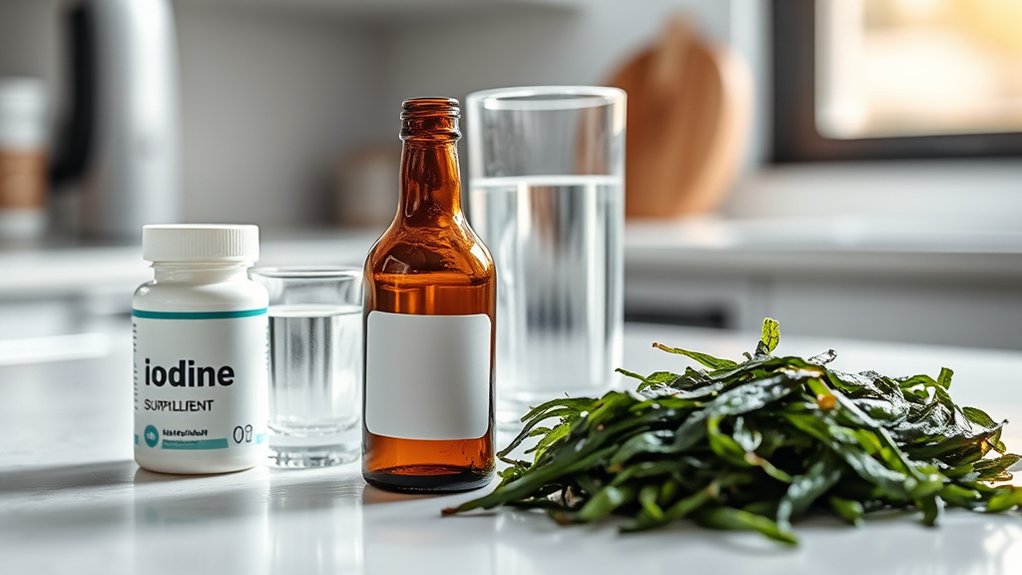
Seaweed, including kelp, nori, and wakame, stands out as the richest source of iodine. It boasts exceptionally high iodine content essential for iodine sufficiency.
Dairy products, particularly cow’s milk, provide a reliable source of iodine because of fortified animal feed.
Fish and shellfish like cod and shrimp also contribute effectively to adequate iodine intake.
Eggs supply a moderate amount too, with one large egg offering about 24 micrograms.
These foods collectively support maintaining iodine sufficiency without supplementation.
Prioritizing these natural sources helps you achieve adequate iodine levels that are vital for thyroid function and overall health.
Iodine in Plant Foods
Although plant foods vary widely in iodine content, their levels depend primarily on the iodine concentration in the soil where they grow.
You’ll find that seaweed varieties like kelp, nori, and wakame are among the richest plant sources, often providing up to 2,000 micrograms per serving.
Other plant foods, such as cereals and grains, can supply iodine but only if the soil is iodine sufficient. That makes these less reliable sources.
Fruits and vegetables generally contain minimal iodine unless cultivated in iodine-rich soil or fertilized with iodine-containing compounds.
Some plant-based products, including certain non-dairy milks fortified with iodine, can help maintain adequate iodine levels, especially if you follow a restrictive diet.
Understanding these sources helps you better assess your iodine intake from plant foods.
Does Iodized Salt Provide Enough Iodine?

How much iodine does iodized salt actually provide? Iodized salt has been fortified since the 1920s to prevent iodine deficiency and remains a primary iodine source worldwide. Regular consumption typically supplies enough iodine to maintain healthy thyroid function and prevent moderate iodine deficiency in most people.
Iodized salt, fortified since the 1920s, helps maintain thyroid health and prevent iodine deficiency worldwide.
That said, if you consume little salt or follow a restricted diet, iodized salt alone mightn’t meet your daily iodine needs.
Also, the FDA doesn’t require iodine content labels on processed foods, which can make it hard to know your actual intake.
While iodized salt works well for many, iodine supplements might be necessary for those at risk of deficiency or who don’t get enough iodine from their diet.
It’s important to ensure you’re getting enough iodine because about 2 billion people globally still face iodine deficiency even though iodized salt is available.
How Much Iodine Do Adults And Special Groups Need?
Understanding your specific iodine needs is essential to maintaining thyroid health and overall well-being. Adults typically require about 140 micrograms of iodine daily to support the thyroid gland and guarantee proper thyroid function.
Pregnant women should increase their intake to 150 micrograms per day to promote fetal development and prevent cognitive delays. Breastfeeding mothers need even more, around 290 micrograms, to support milk production and infant health.
If you follow a restrictive diet, like strict veganism, you mightn’t get enough iodine from food alone. In that case, you could benefit from iodine supplements or fortified foods.
Most adults in regions with iodized salt don’t need extra supplementation. However, evaluating your amount of iodine intake based on your diet and life stage is still vital for proper thyroid health.
How Do You Know If Your Iodine Levels Are Off?

When can you tell if your iodine levels are off? You can assess iodine levels primarily through urine tests, since about 90% of dietary iodine is excreted this way. This makes urine tests a pretty reliable way to check your iodine status.
Blood tests that measure thyroid-stimulating hormone (TSH) levels can also help reveal iodine deficiency. If your TSH is elevated, it often means there isn’t enough iodine for your thyroid to produce hormones properly.
Elevated TSH levels in blood tests may indicate iodine deficiency affecting thyroid hormone production.
You might notice symptoms like fatigue, weight gain, or a goiter, which can signal that your thyroid function is disrupted due to low iodine.
If you live somewhere iodized salt isn’t commonly used, you might be at a higher risk of deficiency.
To really know your iodine status and how it affects your thyroid hormones, it’s best to talk to a healthcare professional. They can offer personalized testing and advice based on your diet and health needs.
Who Might Need An Iodine Supplement?
If you follow a strict vegan diet, you mightn’t be getting enough iodine from plant-based foods alone. In that case, a supplement could really help.
Pregnant women, in particular, need to make sure they’re getting at least 150 mcg of iodine every day to support their baby’s development.
Taking a close look at your diet and where you’re in life can help you figure out if you might need to add a supplement.
Restrictive Diet Considerations
Because iodine plays a critical role in thyroid function and development, you may need a supplement if your diet restricts common iodine sources.
If you follow a restrictive diet, like a strict vegan regimen, you’re probably missing iodine-rich foods such as dairy products and seafood. This can lower your iodine intake. Avoiding iodized salt makes this risk even higher.
Also, if you live in areas with iodine-deficient soil or have gastrointestinal disorders that affect nutrient absorption, you might find it hard to meet the recommended iodine intake of 140 micrograms daily.
In these situations, iodine supplements can help prevent deficiency. They support proper thyroid hormone synthesis and keep your metabolism running smoothly.
It’s always a good idea to look closely at your eating habits. This way, you can decide if taking a supplement is necessary to keep your iodine levels where they should be.
Pregnancy And Iodine Needs
Pregnancy considerably increases your iodine requirements to 150 micrograms daily to support fetal thyroid hormone production and reduce the risk of cognitive delays in infants.
As a pregnant woman, meeting these daily requirements is critical because iodine deficiency during this period can lead to behavioral issues like ADHD in children.
Most prenatal vitamins contain adequate iodine, so you mightn’t need additional iodine supplements unless you follow a restrictive diet or avoid iodized salt.
If your dietary intake is insufficient, iodine supplements can help you meet the necessary levels.
To guarantee proper iodine status, consult your healthcare provider before starting any supplementation.
They can assess your needs accurately, helping you avoid both deficiency and excess, which could impact fetal development and your health.
What Are The Risks Of Taking Too Much Iodine?
While iodine is essential for thyroid function, taking too much can disrupt your hormonal balance and lead to health complications. Consuming iodine supplements in high doses over 500 micrograms daily can cause iodine toxicity, which impairs thyroid health.
Symptoms like weight gain, fatigue, increased heart rate, and anxiety may signal excess iodine. If you have pre-existing thyroid conditions, you’re especially vulnerable to these effects.
Even small amounts above the recommended 150 micrograms for adults can worsen thyroid disorders. To avoid risks, it’s vital to monitor your iodine intake carefully.
Urine tests can help detect excess iodine and guide dietary adjustments. By managing your iodine levels thoughtfully, you can protect your thyroid health and reduce the risk of iodine toxicity.
It’s all about keeping things balanced to stay healthy.
How Does Iodine Affect Your Thyroid?
Iodine is super important because it helps your thyroid produce hormones. These hormones are what keep your metabolism running smoothly and support your overall health.
Now, if you don’t get enough iodine, your thyroid struggles to make enough hormones. That can leave you feeling tired and might even cause weight gain.
But here’s the thing—too much iodine isn’t good either. It can mess with how your thyroid works.
Iodine’s Role In Hormones
Thyroid hormones, primarily triiodothyronine (T3) and thyroxine (T4), depend directly on adequate iodine levels for their synthesis. These hormones regulate your metabolism and influence nearly every bodily function.
Your thyroid gland absorbs iodine from your bloodstream, stimulated by thyroid-stimulating hormone (TSH), to produce T3 and T4.
Maintaining a recommended daily iodine intake of about 140 micrograms supports good thyroid health and guarantees efficient thyroid hormone production. While iodine supplements can help if your diet lacks sufficient iodine, excessive intake may disrupt your thyroid’s balance, potentially causing hyperthyroidism.
So, managing iodine intake is essential. You want enough iodine to sustain ideal thyroid hormone levels without risking thyroid-related disorders.
This balance is key to supporting your overall hormonal health and metabolic function.
Deficiency Effects On Thyroid
If your body doesn’t get enough iodine, your thyroid can’t produce sufficient T3 and T4 hormones, which leads to hypothyroidism. This deficiency results in symptoms like fatigue, weight gain, and slowed metabolism.
Over time, insufficient iodine causes your thyroid gland to enlarge, forming a goiter, as it tries to compensate by increasing TSH production.
Pregnant women with iodine deficiency risk fetal developmental delays due to inadequate thyroid hormone availability. Although iodine deficiency is rare in developed countries, avoiding iodized salt or iodine-rich foods may put you at risk.
If you suspect deficiency, iodine supplements can help restore hormone balance and support thyroid function.
Risks Of Excess Intake
Although essential in moderate amounts, consuming too much iodine, especially over 500 micrograms daily, can disrupt your thyroid’s hormone production. This may lead to conditions like hyperthyroidism or hypothyroidism.
Excess iodine intake can cause thyroid dysfunction, showing up as weight gain, fatigue, or other nonspecific symptoms that make diagnosis tricky. If you have pre-existing thyroid conditions, you should be especially cautious with iodine supplements.
Too much iodine can actually make your condition worse.
For most people living in areas where iodized salt is common, extra supplementation isn’t really needed. In fact, it could raise the risk of thyroid problems.
Why Is Iodine Especially Important During Pregnancy?
Because your baby’s brain and nervous system depend heavily on thyroid hormones, making sure you get enough iodine during pregnancy is super important. Adequate iodine supports fetal thyroid hormone production, which is critical for healthy neurological development.
If you don’t get enough iodine, cognitive delays and behavioral issues, like ADHD, might happen. The American Thyroid Association suggests pregnant women get 150 micrograms daily. Luckily, many prenatal vitamins include that amount. Choosing quality iodine supplements can help you meet this need easily.
During pregnancy, iodine is especially important because it:
- Supports fetal brain and nervous system formation
- Prevents cognitive delays linked to iodine deficiency
- Promotes proper skeletal system development, helping your baby grow healthy
When Should You Talk To A Doctor About Iodine Supplements?
When should you consider consulting a doctor about iodine supplements? You should talk to a healthcare professional before starting iodine supplements if you follow a strict vegan diet or live in an area with low soil iodine content. That’s because your dietary intake mightn’t be enough.
Pregnant women must consult their doctor to ensure they’ve adequate iodine levels. This is really important for fetal development. The recommended intake during pregnancy is 150 mcg daily.
Pregnant women should consult a doctor to ensure adequate iodine for healthy fetal development, with a 150 mcg daily recommendation.
Also, if you have thyroid conditions, especially hypothyroidism, it’s important to discuss iodine supplementation carefully. Too much iodine can actually make your condition worse.
If you’re experiencing symptoms like fatigue or weight gain, it’s a good idea to get a medical evaluation to check your iodine levels and thyroid function.
Regular monitoring and professional guidance can help make sure iodine supplementation is safe and effective for your individual needs. So, don’t hesitate to reach out to a healthcare provider if you’re unsure.
Frequently Asked Questions
Can Iodine Supplements Interact With Other Medications?
Yes, iodine supplements can interact with other medications, affecting iodine absorption factors and causing medication synergy risks.
You should be cautious, especially if you take thyroid medications, as iodine impacts thyroid function and can alter drug effectiveness.
Dosage considerations are essential since excess iodine can disrupt treatment.
Always consult your healthcare provider to balance iodine intake safely and avoid adverse interactions with your current medications.
Are There Different Types of Iodine Supplements Available?
You’ll find several iodine sources in supplements, like potassium iodide, sodium iodide, and iodinated seaweed extracts.
Potassium iodide boasts high solubility, which helps improve absorption. Seaweed supplements can vary quite a bit in their iodine content, so your diet plays a role here.
The recommended dosages usually cap at 150 micrograms daily to avoid thyroid issues.
Knowing about these different types can really help you pick a supplement that fits your absorption needs and dietary habits just right.
How Quickly Do Iodine Supplements Work to Improve Deficiency?
You’ll notice iodine absorption rates improve within 24 hours, as urinary iodine concentrations rise quickly.
However, alleviating iodine deficiency symptoms depends on consistent iodine dosage recommendations. Typically, that’s about 150 mcg daily for adults.
Physiological changes, like better thyroid function, often take 2 to 3 months.
When you compare iodine sources, supplements provide more precise dosing compared to the variability you get from dietary intake.
To get the best results and stay safe, it’s a good idea to monitor your thyroid levels regularly while you’re taking supplements.
Can Iodine Supplementation Affect Hair and Skin Health?
Yes, iodine supplementation can affect your hair and skin health by supporting thyroid function. The thyroid regulates metabolism, which is essential for hair growth and skin hydration.
Adequate iodine helps maintain proper thyroid hormone levels, which enhances cellular turnover and improves tissue maintenance.
But too much iodine can throw off this balance and cause issues like acne or dermatitis.
Is Iodine Supplementation Safe for Children and Teenagers?
Isn’t it essential to balance iodine intake for ideal health benefits?
Iodine supplementation can be safe for children and teenagers if you consider iodine sources and dietary considerations carefully. Most get enough from iodized salt and food, so sticking to recommended dosages, like 90 mcg for younger kids and 120 mcg for teens, is key.
Excess intake risks thyroid issues, so it’s important to consult a healthcare provider before supplementing.
Also, monitoring iodine levels regularly can help guarantee safety. It’s always better to be cautious when it comes to supplements for kids and teens.
Conclusion
You shouldn’t take iodine supplements blindly. It’s not a miracle cure for all thyroid or health issues. While iodine is essential, especially during pregnancy, too much can cause serious problems.
Rely on iodine-rich foods and iodized salt first. Make sure to monitor your intake carefully. If you suspect an imbalance, get tested before supplementing.
Remember, your thyroid isn’t a bottomless pit. Precise iodine levels keep it running smoothly, so consult a doctor before making changes.