Is Collagen Supplement Good For You? Everything You Need to Know Before Taking It
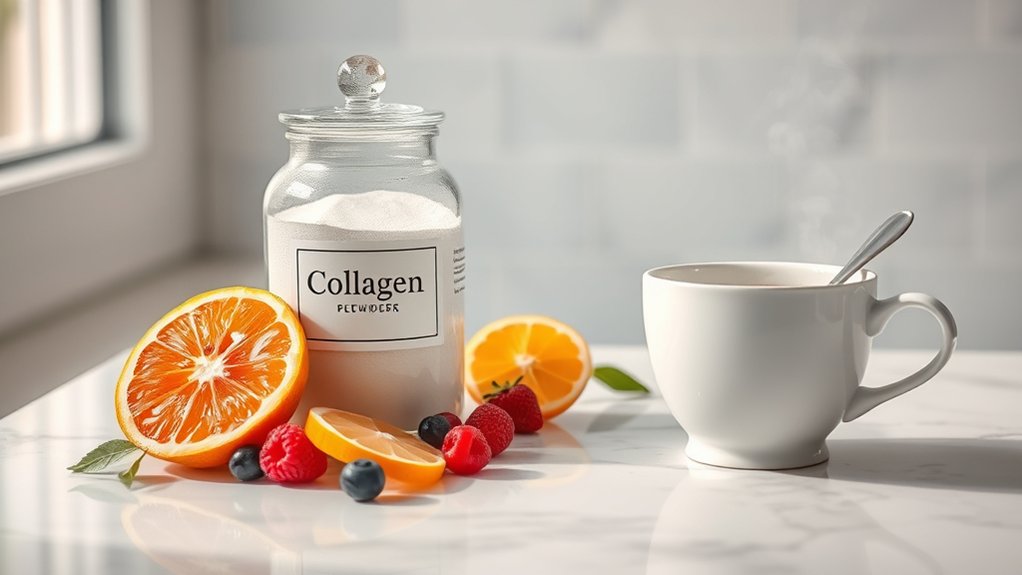
Collagen supplements can support your skin and joint health by providing amino acids that promote collagen production, especially when paired with vitamin C. However, their effectiveness varies. Whole protein-rich foods also supply essential nutrients for natural collagen synthesis.
Be cautious of supplement quality and potential risks like allergies or heavy metal contamination. For best results, combine supplements with lifestyle habits that boost collagen naturally.
There’s more to understand about how to safely and effectively enhance your collagen levels. So, it’s a good idea to do some research or talk to a healthcare professional before starting any supplement routine.
What Is Collagen and Why Should You Care?

Collagen, which makes up about 30% of your body’s protein, plays an essential role in maintaining the structure of your skin, muscles, bones, tendons, and ligaments.
It’s the primary building block that keeps your tissues strong and resilient.
Your body produces collagen using amino acids from your diet, but production drops after age 20. This can lead to wrinkles and joint discomfort.
To support collagen synthesis, you need a healthy lifestyle with adequate nutrients like vitamin C, zinc, and copper.
Factors such as smoking, high sugar intake, and UV exposure speed up collagen breakdown, so protecting your skin and body is vital.
While collagen supplements can help, focusing on balanced nutrition and healthy habits remains key to maintaining your skin and overall protein health.
How Do Collagen Supplements Work in Your Body?
When you take collagen supplements, your body breaks them down into smaller peptides that get absorbed into your bloodstream.
These peptides then provide amino acids, which your body uses as building blocks to make collagen in different tissues.
But here’s the thing—your body doesn’t send these amino acids to specific spots. Instead, it distributes them wherever they’re needed most overall.
Collagen Absorption Process
Although you might expect collagen supplements to target your skin or joints directly, your body actually breaks down the collagen peptides into smaller amino acids during digestion. This collagen absorption process lets your body use these building blocks more flexibly. That way, it supports the protein your body naturally produces.
Here’s how it works:
- Collagen peptides are hydrolyzed in your gastrointestinal tract into absorbable amino acids.
- These amino acids enter your bloodstream and are distributed where needed, helping to synthesize new collagen and other proteins.
- Vitamin C enhances collagen absorption and boosts your body’s ability to produce collagen, which may improve skin elasticity.
While collagen supplements supply the raw materials, your body ultimately decides how to use them for tissue health.
Role of Amino Acids
Since your body breaks down collagen supplements into amino acids, it relies on these building blocks, especially proline, glycine, and hydroxyproline, to produce new collagen and maintain tissue health.
Hydrolyzed collagen from supplementation provides these amino acids in a form your digestive system can absorb efficiently.
Once absorbed, the amino acids serve as raw materials your body uses to synthesize collagen. Collagen is an essential protein that supports skin elasticity and the strength of connective tissues.
Research shows these amino acids may stimulate fibroblast activity, encouraging the formation of new collagen fibers and improving skin hydration.
Moreover, collagen supplementation supports the repair and maintenance of connective tissues, which can benefit joint health.
However, these amino acids distribute throughout the body, aiding multiple tissues as needed. So, they’re not just working in one place—they help wherever your body requires them.
Body’s Utilization Mechanism
Because your digestive system breaks collagen supplements into smaller peptides and amino acids, your body can absorb them efficiently.
Once absorbed, the body doesn’t target these peptides to specific tissues but uses them as needed.
Here’s how this process supports your health:
- The body breaks down collagen supplements into amino acids, which enter the bloodstream for general use.
- These amino acids contribute to natural collagen production, aiding tissue repair and maintenance.
- Collagen peptides may activate fibroblasts in the dermis, promoting new collagen formation that improves skin elasticity.
While research continues, evidence suggests collagen supplements help support your body’s collagen production.
They may also enhance skin elasticity and hydration over time.
Are Collagen Supplements Better Than Protein-Rich Foods?
You might be wondering if collagen supplements absorb better than protein-rich foods. Well, both give your body amino acids that it breaks down and uses in much the same way.
But here’s the thing—protein-rich foods come with a wider range of nutrients that support your overall health, not just collagen production.
Knowing these differences can help you decide the best way to support your skin and joints.
Absorption Differences
Although collagen supplements break down into peptides or amino acids for absorption, they don’t provide the full spectrum of nutrients your body needs for ideal collagen production. Protein-rich foods deliver a complete array of amino acids and essential cofactors that boost collagen synthesis more effectively.
Here’s why absorption differs:
- Collagen supplements provide specific peptides, but protein-rich foods supply all amino acids necessary for collagen production.
- Whole foods like chicken, beef, and fish include vitamins and minerals (e.g., vitamin C, zinc) that enhance absorption and collagen efficacy.
- Your body uses amino acids from dietary proteins more holistically, supporting overall tissue health beyond what isolated collagen peptides offer.
While collagen supplements may improve skin hydration, protein-rich foods support broader collagen production.
Plus, their effectiveness is better established.
Nutritional Comparisons
When comparing collagen supplements to protein-rich foods, it’s important to look at the bigger nutritional picture each provides.
Collagen supplements supply amino acids that are essential for collagen production. But protein-rich foods like chicken, fish, and beans offer those same amino acids plus extra nutrients.
Whole foods also provide vitamin C, zinc, and copper, which are key for collagen formation. These are often missing in collagen supplements.
Studies show that whole food protein sources deliver broader nutritional benefits, supporting muscle mass and overall health beyond just collagen synthesis.
So, relying only on collagen supplements might leave gaps in your nutrient intake.
Using collagen supplements can be helpful, but they shouldn’t replace a balanced diet rich in whole protein-rich foods. This way, you get extensive nutritional support for collagen production and overall well-being.
What Does Science Say About Collagen Supplements?

How effective are collagen supplements according to scientific research? Scientific studies show collagen supplements may improve skin hydration and elasticity, but results vary. A meta-analysis highlights potential benefits for skin firmness and moisture, though individual responses differ.
Here’s what science tells you:
- Collagen peptides need to break down into smaller parts for proper absorption, and your body uses these as needed rather than targeting specific areas.
- Randomized controlled trials suggest collagen supplements can enhance skin hydration, but many are industry-funded, which might affect objectivity.
- Evidence supporting collagen supplements for hair and nail health is weak or inconclusive.
Do Collagen Supplements Improve Skin and Joint Health?
You might wonder if collagen supplements actually boost your skin’s appearance and help with joint discomfort. Some studies show that hydrolyzed collagen supplements may improve skin hydration and elasticity, potentially reducing wrinkles.
They might also relieve joint pain and enhance joint health, especially in people with knee osteoarthritis.
Since your body’s collagen production declines with age, particularly after menopause, supplementing could help maintain skin and joint function.
However, the overall effectiveness of collagen supplements remains uncertain due to limited rigorous trials and possible bias in industry-funded research.
Prioritizing a protein-rich diet can provide amino acids that support collagen production naturally, offering similar benefits for skin hydration and joint health.
What Are the Potential Health Risks of Collagen Supplements?
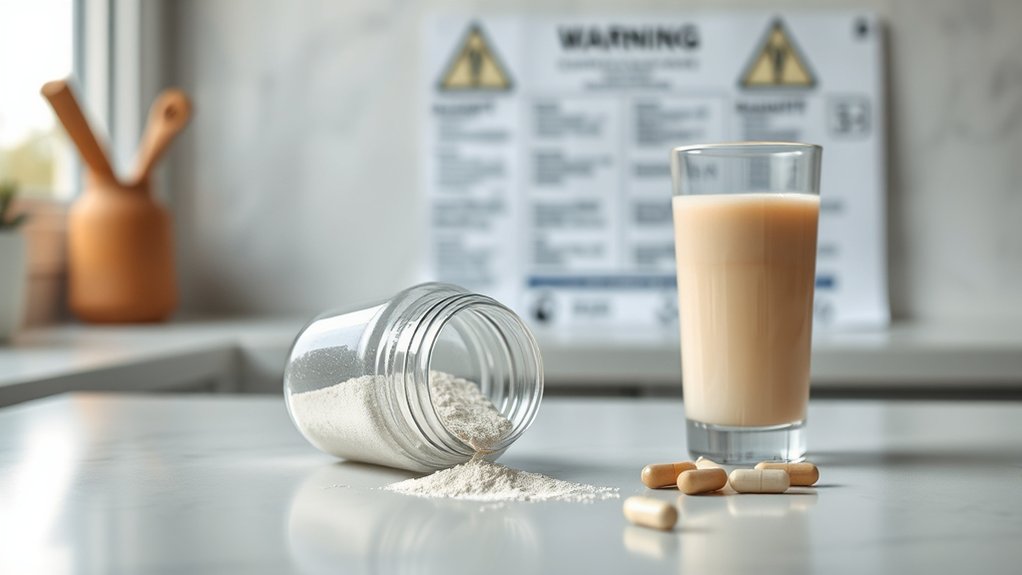
Although collagen supplements promise various health benefits, they can carry potential risks that you should consider before use. Since the Food and Drug Administration doesn’t regulate collagen supplements, you can’t be sure of their safety or purity. Unregulated products may contain harmful contaminants, including heavy metals, due to their animal-derived sources.
Also, allergic reactions are possible if you’re sensitive to ingredients like fish or beef collagen.
Here are key health risks to keep in mind:
- Contamination with toxins and heavy metals from animal tissues.
- Lack of FDA oversight increases the chance of unsafe or ineffective products.
- Allergic reactions if you have sensitivities to collagen sources.
To reduce these health risks, look for collagen supplements that undergo third-party testing for safety and quality. It’s a good way to make sure you’re getting a safer product.
Should People With Medical Conditions Avoid Collagen Supplements?
When should people with medical conditions steer clear of collagen supplements? If you have allergies to collagen sources like fish, beef, or poultry, it’s best to avoid these supplements to prevent adverse reactions.
Collagen supplements also contain protein, which in excessive amounts can strain kidney function. So if you have kidney issues, it’s a good idea to limit your intake.
If you’re on blood-thinning medications, make sure to consult your healthcare provider before starting collagen supplements. They could impact blood clotting.
Also, if you have autoimmune diseases, be cautious. Collagen supplements might provoke inflammation or worsen symptoms.
How to Choose Safe and Effective Collagen Supplements
When you’re picking out collagen supplements, it’s a good idea to check for quality certifications and third-party testing. This way, you can be more confident that what you’re getting is safe and pure.
Also, take a close look at the ingredient labels—products with hydrolyzed collagen or collagen peptides tend to absorb better.
Following these tips will help you choose supplements that aren’t only effective but also meet reliable quality standards.
Identifying Quality Certifications
How can you be confident that a collagen supplement is both safe and effective? Start by identifying quality certifications and testing.
Look for collagen supplements labeled as “hydrolyzed” or “collagen peptides,” as these forms absorb better.
Then, prioritize products that meet established quality standards through third-party testing. Here’s what to check:
- Third-party testing: Verifies the supplement is free from contaminants like heavy metals and toxins.
- Certifications: Seek recognized seals from NSF International or USP, confirming rigorous quality standards.
- Ingredient labels: Choose supplements with minimal additives and those including vitamins like vitamin C, which support collagen synthesis.
Understanding Ingredient Labels
Identifying quality certifications is a great first step, but understanding ingredient labels will give you deeper insight into what you’re putting into your body.
When choosing collagen supplements, look for terms like “hydrolyzed” or “collagen peptides” on ingredient labels, as these forms are easier for your body to absorb.
Pay close attention to the animal sources listed, such as bovine, marine, or chicken, since this affects dietary preferences and potential allergens.
Avoid products loaded with fillers or unnecessary additives, which can reduce effectiveness.
Also, check if vitamin C is included or recommended, as it plays a key role in collagen synthesis and can boost the supplement’s benefits.
While third-party testing is essential for safety, the ingredient label tells you exactly what’s inside and how effective the product might be.
Considering Third-Party Testing
Why should you prioritize third-party testing when choosing collagen supplements? Third-party testing guarantees safety and purity by independently verifying that the product is free from contaminants like heavy metals and toxins. This process helps affirm you’re getting a safe, effective supplement.
When selecting collagen supplements, consider these factors:
- Look for “hydrolyzed” or “collagen peptides” labels, indicating better absorption.
- Choose brands with transparent sourcing and manufacturing that meet high-quality standards.
- Prioritize products backed by clinical studies or independent expert reviews to avoid exaggerated claims.
Lifestyle Changes That Support Natural Collagen Production
Although collagen supplements can support your skin’s health, adopting certain lifestyle changes plays an integral role in boosting your body’s natural collagen production. You can enhance collagen production by following a healthy diet rich in protein, vitamin C, zinc, and copper, which are essential for collagen synthesis.
Sun protection is significant. Daily sunscreen use prevents UV damage that breaks down collagen. Also, reduce sugar intake to limit glycation, which weakens collagen and harms skin elasticity.
Avoid smoking and guarantee adequate sleep to support skin repair and collagen maintenance. These lifestyle changes are fundamental for improving skin health naturally.
| Lifestyle Change | Benefit | Tips |
|---|---|---|
| Healthy Diet | Enhances collagen production | Include citrus, nuts, lean protein |
| Sun Protection | Prevents collagen breakdown | Apply broad-spectrum SPF daily |
| Reduce Sugar Intake | Limits collagen weakening | Avoid added sugars and sweets |
| Avoid Smoking | Protects collagen integrity | Seek cessation programs |
| Adequate Sleep | Supports collagen repair | Aim for 7-9 hours nightly |
When and How Often Should You Take Collagen Supplements?
Supporting your body’s collagen production through lifestyle changes lays a strong foundation.
But knowing when and how often to take collagen supplements can really boost your results.
To get the most benefits like better skin hydration and increased collagen production, here are some tips to follow:
Take 2.5 to 15 grams of collagen supplements daily. You can adjust the dose depending on your specific goals, whether it’s for skin or joint health.
Try to consume collagen on an empty stomach, ideally in the morning or before workouts. This helps your body absorb it better.
And remember, consistency is key. Take collagen supplements for at least 8 to 12 weeks.
Also, pairing them with vitamin C can help boost collagen synthesis even more.
Frequently Asked Questions
Can Collagen Supplements Interact With Other Medications?
Yes, collagen supplements can interact with other medications, which might affect how safe your medications are. You should pay attention to how well collagen is absorbed and follow dosage recommendations carefully. This is especially important if you’re taking blood thinners.
Allergic reactions to collagen supplements are possible, so keep an eye on any symptoms you might experience.
Since long-term effects aren’t fully understood due to limited clinical studies, it’s a good idea to talk to your healthcare provider before you start taking collagen.
Doing this helps make sure you use collagen safely alongside any medications you’re already taking.
Do Collagen Supplements Have Any Impact on Weight Loss?
You might be surprised that up to 10 grams of collagen types I and III daily can support muscle mass growth when paired with resistance training.
While collagen supplements alone don’t directly cause weight loss, their high protein intake helps control your appetite and might boost metabolism a bit.
This can contribute to better weight management by reducing hunger and supporting lean muscle.
But remember, you’ll still need a balanced diet and exercise to see real weight loss results.
Are There Any Differences Between Marine and Bovine Collagen?
Yes, marine and bovine collagen differ significantly.
You’ll find marine benefits in better absorption rates and skin hydration, especially for sensitive skin types. Bovine sources offer a broader collagen profile, supporting bones and muscles.
Ethical considerations matter. Marine collagen raises sustainability questions, while bovine relies on livestock.
Flavor profiles vary too; marine collagen can taste fishy, which might bother you.
Choose based on your skin needs, dietary restrictions, and personal values.
How Long Does It Take to See Results From Collagen Supplements?
Think of collagen supplements like planting seeds. You won’t see a full bloom overnight.
You’ll usually notice skin elasticity improvement within 4 to 8 weeks, thanks to collagen absorption rates and following ideal dosage guidelines.
Joint pain relief often takes 3 to 6 months, especially with age-related benefits.
Different sources of collagen, like marine or bovine, impact absorption.
Can Collagen Supplements Help With Hair and Nail Growth?
Yes, collagen supplements can support hair health and nail strength, but the evidence isn’t definitive.
Different collagen sources and supplement types, like hydrolyzed collagen, may improve skin elasticity and keratin production, which are key for hair and nails.
It’s important to follow dosage recommendations, though your body uses collagen as needed, not just for hair or nails.
For best results, combine supplements with a balanced diet rich in protein and nutrients.
Conclusion
You might wonder if collagen supplements are just another fad, but research shows they can genuinely support your skin and joint health when taken correctly. While whole foods rich in protein are essential, supplements offer targeted benefits that your diet alone might miss.
By choosing high-quality collagen and combining it with a healthy lifestyle, you’re giving your body the tools it needs to maintain strength and energy naturally. So, it’s not just about popping a pill—it’s about making a smart addition to your routine.