Is Citracal A Good Calcium Supplement Benefits Side Effects Explained
Citracal is a good calcium supplement because it uses calcium citrate combined with Vitamin D3, which helps your body absorb calcium efficiently. This works even if you have low stomach acid or don’t take it with food.
Its unique slow-release technology guarantees steady nutrient delivery, supporting bone health gently without common side effects like bloating.
It’s suitable for various ages and dietary needs. If you want to understand how different Citracal options fit your lifestyle, keep exploring further details.
Why People Choose Citracal for Calcium
Because Citracal combines calcium with Vitamin D3, it helps your body absorb this essential mineral more effectively. This mix supports bone health by improving calcium’s bioavailability, making Citracal a popular choice for many.
Citracal’s blend of calcium and Vitamin D3 enhances absorption, boosting bone health effectively.
The unique Slo-Cal technology in Citracal Slow Release 1200 ensures a steady release of calcium and Vitamin D throughout the day. This promotes continuous absorption, so your body gets what it needs when it needs it.
Whether you prefer smaller caplets like Citracal Petites or want higher calcium content in Maximum Plus, there’s an option just for you.
Pharmacy professionals recommend Citracal for its high solubility and digestibility, which means it’s gentle on your stomach.
And the best part? With just two caplets a day, you can easily meet your recommended calcium intake. It’s a simple, effective way to support your bone health.
How Citracal’s Calcium Citrate Boosts Absorption
You’ll really benefit from Citracal’s calcium citrate because it absorbs more efficiently than other forms, especially if your stomach acid is on the lower side.
Plus, the added Vitamin D3 is super important—it helps your body absorb calcium more effectively.
Calcium Citrate Advantages
Although many calcium supplements rely on calcium carbonate, Citracal stands out by using calcium citrate, which your body absorbs more efficiently, especially if you have low stomach acid or take acid-reducing medications.
Calcium citrate doesn’t require stomach acid for absorption, making it a reliable choice regardless of when or what you eat.
Citracal also includes 25 mcg (1000 IU) of Vitamin D3, which helps your body absorb calcium and supports ideal bone health.
Thanks to its Slo-Cal technology, calcium and Vitamin D3 release slowly and continuously, maximizing nutrient uptake throughout the day.
Moreover, calcium citrate is gentler on your digestive system, reducing common side effects like constipation and bloating.
This combination guarantees you get effective, comfortable calcium supplementation tailored to your needs.
Vitamin D Role
When you take Citracal, the included Vitamin D3 plays an essential role in helping your body absorb calcium more effectively. Each serving provides 25 mcg (1000 IU) of Vitamin D3, which greatly enhances calcium absorption and helps maintain ideal calcium levels. This is vital because better calcium absorption directly supports bone health, reducing the risk of osteoporosis.
Citracal’s calcium citrate formulation is unique. It doesn’t require stomach acid for absorption, making it perfect for those on acid-reducing medications.
Plus, its Slo-Cal technology guarantees a slow, continuous release of both calcium and Vitamin D throughout the day, providing sustained nutrient availability.
The Role of Vitamin D3 in Citracal Supplements
How does Vitamin D3 enhance the effectiveness of Citracal supplements? Citracal includes 25 mcg (1000 IU) of Vitamin D3 per serving, which greatly improves calcium absorption in your body.
Vitamin D3 is essential for bone health because it helps your system utilize calcium effectively, reducing the risk of osteoporosis.
Moreover, Vitamin D3 supports your immune function and may boost muscle strength, helping with balance and coordination.
Citracal’s Slo-Cal technology guarantees a slow, steady release of both calcium and Vitamin D3, maintaining consistent nutrient levels throughout the day.
If you have limited sun exposure, Citracal’s inclusion of Vitamin D3 becomes even more valuable. It provides you with the necessary support to maintain adequate vitamin D and calcium levels for overall health.
Who Should Take Citracal Supplements?
If you’re over 50 or have dietary restrictions that limit your calcium intake, Citracal can be a great way to support your bone health.
The calcium citrate formula is easy to absorb, even if your stomach acid is low, which is especially helpful if you’re taking acid-reducing medications.
Plus, Citracal includes Vitamin D3, which boosts calcium absorption. This makes it a smart choice if you’re at risk for osteoporosis or just need a little extra vitamin D.
Ideal User Groups
Because calcium needs vary across different life stages and health conditions, Citracal supplements cater to a broad range of users seeking to improve their bone health.
The ideal user groups include adults and children aged 12 and older who require enhanced calcium intake. Citracal’s calcium citrate form suits individuals with low stomach acid or those on acid-reducing medications, as it absorbs well without food.
Women over 50 and men over 70, who need higher calcium levels, benefit from Citracal’s formulations that meet daily requirements.
If you prefer convenience, Citracal Slow Release offers a steady supply of calcium and Vitamin D throughout the day.
Those wanting easier-to-swallow options can choose Citracal Petites or gummies, both providing essential nutrients to support bone health effectively.
Health Condition Considerations
When managing specific health conditions, choosing the right calcium supplement becomes essential, and Citracal offers targeted benefits for various needs. Its calcium citrate form is easier to absorb, making it ideal if you have low stomach acid or take acid-reducing medications.
Plus, Citracal includes Vitamin D, which enhances calcium absorption and helps support bone health. This is especially important if you’re over 50.
Consider Citracal if you have dietary restrictions or lactose intolerance and need a non-dairy calcium source. Or if you’re concerned about bone density due to aging or specific health conditions.
It’s also a good choice if you need a supplement that improves calcium uptake without needing food.
Before using Citracal during pregnancy or breastfeeding, it’s best to consult your healthcare provider to make sure it fits your nutritional needs.
Comparing Citracal Slow Release 1200 to Other Variants
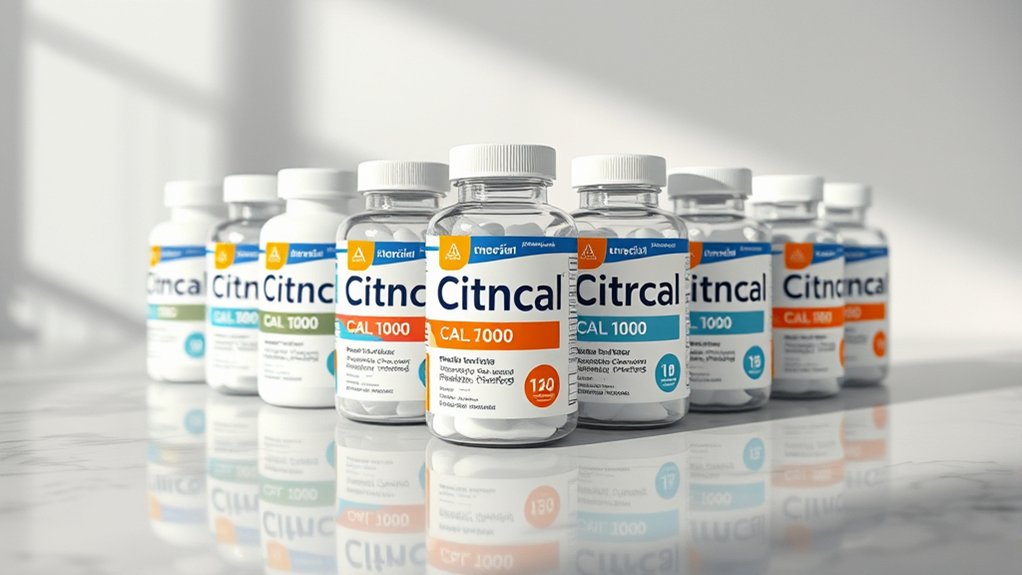
How does Citracal Slow Release 1200 stack up against other Citracal variants? It delivers 1200 mg of calcium per serving through a blend of calcium citrate and calcium carbonate, making it suitable if you need a higher calcium intake.
Its Slo-Cal technology releases calcium gradually, unlike Citracal Maximum Plus, which provides a higher elemental calcium dose but without slow release.
Each serving also contains 25 mcg (1000 IU) of Vitamin D3, supporting better calcium absorption, consistent with other Citracal products.
Each dose includes 25 mcg (1000 IU) of Vitamin D3 for enhanced calcium absorption.
If you prefer easier swallowing, Citracal Petites offer smaller caplets with similar nutrients. Meanwhile, Citracal Calcium Gummies provide a chewable, tasty alternative if you dislike tablets.
Overall, Citracal Slow Release offers a balanced option for sustained calcium delivery compared to other variants. It’s a great choice if you want steady calcium support throughout the day without taking multiple doses.
Citracal vs. Calcium Carbonate: What’s the Difference?
When you’re deciding between Citracal and calcium carbonate, it’s good to think about how each one is absorbed and how much elemental calcium they contain.
Citracal, which comes from calcium citrate, is absorbed pretty well even if you take it without food.
On the other hand, calcium carbonate usually needs to be taken with meals to help your body absorb it better.
Plus, calcium carbonate tends to have more elemental calcium in each tablet, so that might change how many you need to take to hit your daily calcium goals.
Absorption Differences Explained
Although both Citracal and calcium carbonate serve as calcium supplements, they differ markedly in how your body absorbs them. Citracal contains calcium citrate, which your body can absorb without food. This makes it ideal if you have low stomach acid or take acid-reducing medications.
Calcium carbonate, however, requires an acidic environment, so it’s best taken with meals.
Key absorption differences include:
- Citracal often includes Vitamin D, which helps your body absorb calcium more effectively.
- Calcium carbonate needs stomach acid for optimal absorption and is usually recommended with food.
- According to supplement facts, calcium citrate is gentler on your digestive system, causing fewer gastrointestinal issues than calcium carbonate.
Understanding these differences helps you choose the right supplement to maximize calcium absorption.
Elemental Calcium Comparison
Since elemental calcium determines the actual amount of calcium your body receives, comparing calcium citrate in Citracal to calcium carbonate is essential.
Calcium citrate provides about 21% elemental calcium, while calcium carbonate offers nearly double, at 40%.
However, calcium citrate absorbs better, especially if you have low stomach acid or take acid-reducing medications, because it doesn’t require food for ideal absorption.
Calcium carbonate needs to be taken with meals to absorb effectively.
Citracal often includes Vitamin D, which further supports calcium absorption, whereas calcium carbonate supplements may not.
Both forms limit absorption to less than 500 mg per dose, so you might need multiple doses daily.
Understanding these differences helps you choose the right supplement to meet your calcium needs efficiently.
It’s all about finding what works best for your body and lifestyle.
Food Interaction Requirements
Because Citracal contains calcium citrate, you can take it with or without food. This gives you more flexibility in your daily routine.
This advantage in food interaction contrasts with calcium carbonate, which requires an acidic environment. So, you should take it with meals for better absorption.
Calcium citrate’s benefits include:
- Effective absorption regardless of stomach acid levels, which is ideal if you use acid-reducing medications.
- Consistent calcium availability, supporting bone health without strict meal timing.
- Easier digestion, reducing concerns about food interaction and maximizing efficacy.
Common Citracal Side Effects and How to Handle Them
What side effects might you encounter when taking Citracal? Common side effects primarily involve gastrointestinal issues such as constipation, gas, bloating, diarrhea, and stomach cramps.
Some people may also experience nausea, which often improves if you take Citracal with food.
Nausea may occur but usually eases when Citracal is taken with food.
To reduce discomfort, take the caplets upright with a full glass of water and consider splitting your dosage throughout the day.
If you develop a rash or hives, stop using Citracal immediately and consult your healthcare provider.
Although serious allergic reactions are rare, seek urgent medical attention if you experience difficulty breathing or facial swelling.
Important Precautions Before Starting Citracal Supplements
Before you start taking Citracal supplements, it’s essential to consult your healthcare provider, especially if you’re pregnant, breastfeeding, or managing existing health conditions. Seeking medical advice helps guarantee safety and appropriate dosing.
Also, carefully check your product package for allergen information and dosage instructions, noting the calcium per serving.
Keep these important precautions in mind:
- Take Citracal caplets upright with a full glass of water to improve absorption and avoid swallowing difficulties.
- Monitor for potential side effects such as constipation, gas, or bloating. If you experience severe allergic reactions, stop using the supplement.
- Avoid exceeding the recommended calcium per day, since too much can cause kidney issues and other health problems.
Following these steps will help you use Citracal supplements safely and effectively.
Choosing the Right Citracal Supplement for Your Needs
How do you determine which Citracal supplement suits your specific needs? Think about your preferences for dosage form, calcium amount, and any extra nutrients that support bone health. Citracal has options with Vitamin D3 and Slow Release formulas to fit different absorption needs.
| Citracal Variant | Key Features |
|---|---|
| Slow Release 1200 | 1200 mg calcium, 25 mcg Vitamin D3, steady absorption |
| Maximum Plus | Added zinc, copper, manganese for enhanced bone health |
| Calcium Gummies | Chewable, flavorful, easy to consume |
| Petites | Smaller caplets, same ingredients, convenient dosing |
Pick the supplement that matches your lifestyle and calcium needs. This way, you get the best support for your bone health with effective calcium and Vitamin D3 intake.
Tips for Maximizing Calcium Absorption With Citracal
Since calcium absorption depends heavily on timing and method of intake, you’ll want to take Citracal supplements with food to optimize effectiveness. The presence of stomach acid during digestion enhances calcium absorption, especially from calcium carbonate in Citracal caplets.
To maximize benefits, keep these tips in mind:
- Take Citracal Slow Release for a steady supply of calcium and Vitamin D3 throughout the day, supporting consistent absorption.
- Space doses if your total calcium intake exceeds 500 mg at once, as your body absorbs smaller amounts more efficiently.
- Always take Citracal caplets with a full glass of water to improve digestion and reduce gastrointestinal discomfort.
Including Vitamin D3, which Citracal provides at 25 mcg per serving, is essential for effective calcium absorption and bone health.
Frequently Asked Questions
Can Citracal Be Taken With Other Medications?
You can take Citracal with other medications, but you need to watch for Citracal interactions that may affect medication absorption.
Timing considerations are essential. Make sure to separate Citracal from bisphosphonates, antibiotics, thyroid meds, iron, and zinc to avoid reduced effectiveness.
If you have health conditions requiring these drugs, it’s a good idea to consult your healthcare provider to create a safe schedule.
Always follow professional advice to guarantee both your medications and Citracal work properly.
How Should Citracal Be Stored for Best Potency?
You should store Citracal in a cool, dry place away from direct sunlight to preserve calcium absorption and maintain potency.
Always keep the container tightly closed to prevent moisture, which can degrade the supplement. Avoid humid areas like bathrooms, as poor storage conditions reduce effectiveness.
Check the supplement expiration date regularly and discard expired bottles to guarantee safety.
Following these container recommendations helps you get the most from your Citracal supplements.
It’s really about keeping things simple to make sure you get the full benefit every time.
Is Citracal Safe for Pregnant or Breastfeeding Women?
Like Athena’s wisdom guiding heroes, Citracal supports your pregnancy nutrition and breastfeeding health by enhancing calcium absorption through its calcium citrate form.
While it’s generally safe, you should always consult your healthcare provider to guarantee supplement safety tailored to your needs.
This step helps avoid interactions and confirms you meet your increased calcium demands during these critical life stages.
It safeguards both your well-being and your baby’s development.
Can Children Take Citracal Supplements?
Yes, children aged 12 and older can take Citracal supplements to support their children’s health.
Citracal provides a convenient calcium source with a supplement dosage of 1200 mg calcium and vitamin D3, which helps with absorption.
However, you should consult a healthcare provider to confirm it fits your child’s specific dietary needs and to monitor for any side effects.
This way, you can be sure it’s safe and effective for your child’s bone development and overall health.
Does Citracal Cause Constipation or Digestive Discomfort?
You might wonder if Citracal causes constipation or digestive discomfort. Generally, it’s gentler on your digestive health thanks to calcium citrate, which improves calcium absorption without harsh side effects.
While mild issues like bloating or gas can happen, they’re less common than with other supplements.
To avoid problems, follow dosage recommendations carefully, take it with food and water, and consider supplement alternatives if needed.
Always consult your healthcare professional for guidance.
Conclusion
If you’re wondering whether Citracal is a good calcium supplement, the evidence supports its effectiveness, especially due to its calcium citrate form and added vitamin D3, which enhance absorption. While no supplement is perfect for everyone, Citracal’s various options let you tailor intake to your needs.
Just remember to take into account any side effects and consult your healthcare provider before starting. With the right approach, Citracal can be a reliable choice for maintaining bone health.