How Much Iron Supplement For Anemia Recommended by Experts
You’ll generally need 150 to 200 mg of elemental iron daily to treat anemia effectively, but 60 mg on alternate days can improve absorption and reduce side effects. Elemental iron, the absorbable part, is key, so check your supplement’s content. Taking iron in the morning on an empty stomach boosts uptake.
Regular monitoring of hemoglobin guides dosage adjustments. If you want to optimize your iron therapy and recovery, understanding timing, dosing, and monitoring is essential.
How Much Iron Do You Need to Treat Anemia?
However, recent evidence suggests that 60 mg taken on alternate days improves absorption and reduces gastrointestinal side effects compared to daily dosing.
Women with iron deficiency anemia often receive 150-200 mg elemental iron per day, though lower doses may enhance compliance.
The American Gastroenterological Association supports once-daily supplementation but acknowledges every-other-day dosing for better tolerance and absorption.
You should monitor hemoglobin regularly to adjust dosing as needed.
Incorporating iron-rich foods alongside supplementation can optimize recovery. This evidence-based approach balances effective treatment with minimizing side effects and maximizing iron absorption.
Elemental vs. Total Iron: What’s the Difference?
Why does distinguishing between elemental and total iron matter when treating anemia?
Elemental iron represents the actual amount of absorbable iron in a supplement. Total iron includes all iron compounds, which vary in bioavailability.
For example, ferrous sulfate contains about 20% elemental iron. So, a 325 mg tablet delivers roughly 65 mg of elemental iron.
This distinction is critical because dosing recommendations for iron deficiency anemia are based on elemental iron content, not total iron.
When you take daily iron supplements, knowing the elemental iron guarantees you achieve effective absorption and therapeutic benefit.
Accurate dosage helps optimize serum ferritin and hemoglobin levels, which are key indicators of treatment success.
Why Dosing Frequency Matters for Iron Absorption
You should think about hepcidin, a hormone that controls how much iron your body absorbs. After you take iron, hepcidin levels go up and can actually block your body from absorbing more if you take supplements too often.
Studies have found that taking iron every other day helps keep hepcidin levels lower, which means your body can absorb iron better compared to taking it every day.
Also, when you take your iron dose—whether in the morning or evening—can make a difference. It affects not only how hepcidin works but also how well your stomach tolerates the supplement, which can impact how much iron you end up absorbing overall.
Impact of Hepcidin Levels
Although iron supplementation is essential for treating anemia, the frequency of dosing critically influences its effectiveness because of the hormone hepcidin. Hepcidin regulates iron balance by blocking iron absorption and release from stores when its levels are high.
Daily iron supplementation raises hepcidin levels, which then reduces iron absorption and can cause more gastrointestinal side effects. On the other hand, taking iron on alternate days keeps hepcidin levels lower. This approach nearly doubles the amount of iron your body actually absorbs compared to daily dosing.
By spacing out your doses, you optimize iron uptake and reduce side effects, making treatment for iron deficiency anemia more effective. Keeping an eye on hepcidin levels can help tailor dosing strategies just for you, making sure you get the most iron without triggering too much hepcidin inhibition.
This evidence really highlights why how often you take iron matters for both how well it works and how well you tolerate it.
Morning Versus Evening Dosing
Since iron absorption varies throughout the day, taking your supplement in the morning can greatly improve uptake. Morning doses align with lower hepcidin levels, which helps enhance absorption and optimize your hemoglobin response. On the other hand, evening dosing faces elevated hepcidin levels, which reduces effectiveness.
Alternate-day dosing of iron supplements, typically 60 mg, can further improve fractional absorption. It also lessens common gastrointestinal side effects like nausea and constipation. So, spacing out your doses might be easier on your stomach while boosting how much iron your body actually uses.
| Timing | Effect on Absorption |
|---|---|
| Morning doses | Higher absorption, better hemoglobin response |
| Evening doses | Lower absorption due to increased hepcidin levels |
| Alternate-day dosing | Nearly doubled absorption, fewer side effects |
Choosing the Right Iron Dose Based on Your Needs
When determining the right iron dose for anemia treatment, it’s important to tailor the amount based on your individual needs. Factors like pregnancy status, how severe your deficiency is, and your body’s ability to absorb iron all play a role.
For iron deficiency anemia, pregnant individuals typically need 60 to 120 mg of elemental iron daily. Non-pregnant adults might require 150 to 200 mg depending on how severe their deficiency is.
You might also find that taking 60 mg every other day helps improve absorption and reduces side effects like gastrointestinal discomfort.
It’s a good idea to monitor your hemoglobin regularly to see how well the treatment is working and adjust your iron dose if needed. Since absorption and side effects can vary from person to person, a personalized iron dose is really important.
Always check with your healthcare provider to pick the right type and dose of iron supplement. That way, you can be sure your treatment is effective and matches your unique body and dietary needs.
When Is the Best Time to Take Iron Supplements?
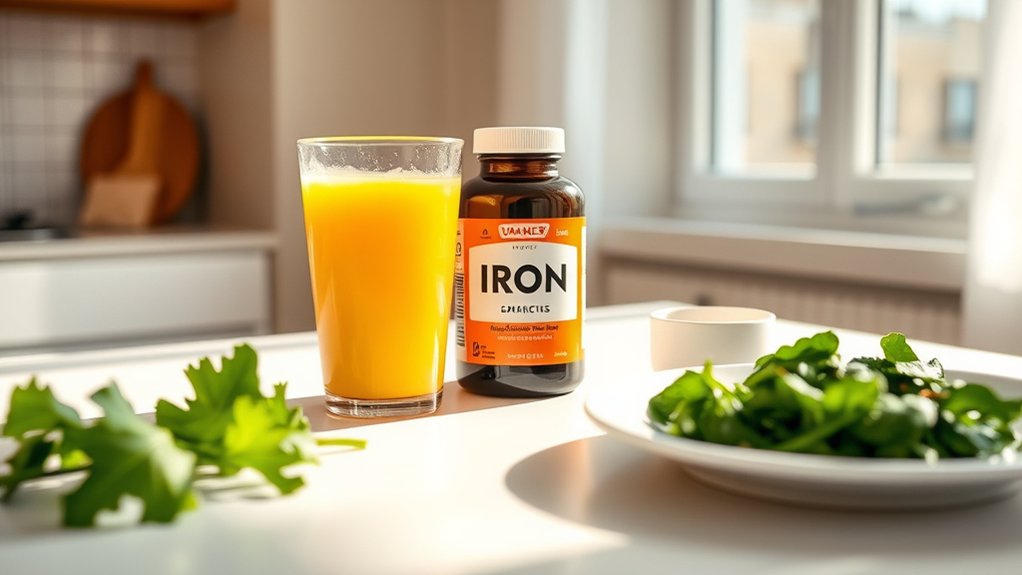
Adjusting your iron dose is only part of effective anemia management. The timing of your supplement intake also greatly impacts absorption and treatment outcomes. You should take iron supplements on an empty stomach, ideally one hour before or two hours after meals, to maximize absorption.
Morning administration is preferred because afternoon or evening doses may reduce efficacy. To further enhance non-heme iron absorption, pair your supplement with vitamin C-rich foods or beverages.
Avoid consuming dairy, caffeine, or high-fiber foods around the time you take iron supplements since they inhibit absorption.
Maintaining consistent timing, whether daily or on alternate days, is essential to sustaining stable iron levels in your body. This evidence-based approach optimizes the bioavailability of iron supplements and supports effective anemia treatment.
How to Manage Side Effects of Iron Supplements
Although iron supplements effectively treat anemia, they often cause side effects that may make sticking to the therapy a bit challenging. Gastrointestinal irritation is pretty common, but you can usually minimize it by taking your iron supplements on an empty stomach.
If you still feel uncomfortable, try taking them with a small amount of food—that often helps. Constipation is another frequent side effect. Drinking more fluids and eating fiber-rich foods can really help manage that.
Taking vitamin C along with iron supplements not only boosts absorption but might also ease some of the stomach issues. You might notice dark stools, which can be alarming, but this is actually a normal and harmless sign that your body is processing the iron.
If the side effects stick around or get worse, it’s a good idea to check in with your healthcare provider. They can adjust your dose or suggest different iron supplements that might be easier for you to tolerate.
That way, you can manage your anemia effectively without feeling uncomfortable or tempted to skip your doses.
Iron Supplementation Guidelines for Pregnancy
Managing side effects effectively helps guarantee consistent iron supplementation. This becomes especially important during pregnancy. You typically need 60 to 120 mg of elemental iron daily to prevent iron deficiency anemia and support fetal growth and expanded maternal blood volume.
Early screening at your first prenatal visit helps your healthcare provider tailor the dosage. It also helps avoid complications like premature birth or postpartum hemorrhage. Below is a summary of guidelines for iron supplementation during pregnancy:
| Stage of Pregnancy | Recommended Dosage (mg elemental iron) | Notes |
|---|---|---|
| First Trimester | 60-100 | Adjust after anemia screening |
| Second Trimester | 80-120 | Increased fetal and maternal needs |
| Third Trimester | 80-120 | Monitor iron levels closely |
| Anemia Diagnosis | Customized | Healthcare provider supervision |
| Postpartum | Based on iron status | Continue if deficiency persists |
How to Monitor Your Iron Levels Safely
It’s a good idea to schedule blood tests every 1 to 3 months to check your hemoglobin and ferritin levels. This helps make sure your iron supplements are working well and that you’re staying safe.
Also, keep an eye out for symptoms like feeling tired or dizzy. These can be signs that your iron levels are still low or that you might need to adjust your dosage.
Be sure to stay in touch with your healthcare provider so they can help you tweak your supplement plan based on your test results and how you’re feeling.
Blood Test Frequency
Before starting iron supplementation, you’ll need a baseline blood test to assess your initial hemoglobin and ferritin levels. This establishes your iron levels and guides the appropriate dosage.
After beginning treatment, regular blood tests every 3 to 6 months are vital for monitoring your response. These tests help evaluate whether your hemoglobin and ferritin are improving and allow adjustments to supplementation dosage.
Consistent monitoring also guards against iron overload, a condition that can cause fatigue or joint pain. If you experience such symptoms, report them promptly so your healthcare provider can order timely blood tests.
Maintaining iron levels within a safe range reduces risks of toxicity and guarantees effective anemia management through evidence-based adjustments in iron supplementation.
Recognizing Deficiency Symptoms
Although blood tests remain the gold standard for evaluating iron status, recognizing early symptoms of iron deficiency anemia can prompt timely evaluation and intervention. Fatigue, pale skin, shortness of breath, and dizziness are common symptoms signaling low iron levels.
Monitoring dietary iron intake and absorption from food, especially with vitamin C to enhance absorption, supports effective management. Supplements can correct deficiency but require careful assessment.
| Symptom | Cause | Monitoring Method |
|---|---|---|
| Fatigue | Reduced hemoglobin | Hemoglobin, ferritin test |
| Pale skin | Low red blood cells | Physical examination |
| Shortness of breath | Insufficient oxygen delivery | Blood oxygen levels |
Stay vigilant for these signs, especially if you have chronic blood loss or heavy menstruation. It’s always better to catch these symptoms early and get checked out.
Professional Dosage Adjustments
Recognizing symptoms of iron deficiency helps identify when supplementation is needed, but managing dosage requires consistent monitoring of iron status through blood tests.
For iron deficiency anemia, the recommended oral doses typically range from 60-120 mg of elemental iron daily. This is adjusted based on your individual hemoglobin and ferritin levels.
Alternate-day dosing may enhance absorption and minimize side effects like constipation or nausea. Make sure to report any adverse effects to your healthcare provider promptly. They can help with possible dosage adjustments or suggest alternative formulations.
Key monitoring practices include regular blood tests to track hemoglobin and ferritin. You should adjust doses based on test results and symptoms.
Also, consider alternate-day dosing to improve absorption. Keep an eye out for side effects to prevent iron overload.
This approach guarantees safe, effective management of iron supplementation.
How Long Does It Take to Recover From Anemia?
How quickly you recover from anemia depends on several factors, including the severity of your iron deficiency and how consistently you take your supplements.
In cases of iron deficiency anemia, iron supplementation typically starts improving hemoglobin levels by about 1 g/dL per week. You may notice symptom relief within 1 to 4 weeks, but full recovery often requires up to 6 months.
Regular blood tests are essential to monitor hemoglobin and ferritin levels, ensuring your recovery progresses appropriately.
Regular blood tests track hemoglobin and ferritin levels to ensure steady progress in anemia recovery.
Furthermore, your dietary habits and individual absorption rates greatly influence how effectively your body utilizes the iron supplement.
Addressing underlying causes also affects recovery duration.
Maintaining adherence to supplementation and optimizing diet will help you achieve the best outcomes in restoring healthy hemoglobin levels and resolving anemia efficiently.
Adjusting Your Iron Dose Based on Anemia Severity
You should tailor your iron supplement dose based on how severe your anemia is. For mild cases, starting with 60-120 mg of elemental iron daily usually works well.
But if your deficiency is more severe, you might need to increase the dose to 150-200 mg.
It’s important to keep an eye on your hemoglobin and ferritin levels regularly. This helps make sure your dose is adjusted safely and effectively as you go along.
Also, taking your iron on alternate days can actually help your body absorb it better and reduce any side effects.
Your healthcare provider might suggest this approach depending on how you respond to the treatment.
Severity-Based Dosage Guidelines
Although iron supplementation must be tailored to the severity of anemia, you’ll typically start with a daily dose ranging from 60 to 120 mg of elemental iron for mild cases. This is often split into multiple doses to maximize absorption.
For moderate iron deficiency anemia, dosing regimens may increase to 150–200 mg daily or use alternate-day dosing. This approach can improve absorption while reducing gastrointestinal side effects.
Severe cases might require intravenous iron when oral iron supplementation proves inadequate. Adjusting your dose depends on ongoing hemoglobin and ferritin levels to guarantee effective treatment.
- Mild anemia: 60–120 mg elemental iron daily in divided doses
- Moderate anemia: 150–200 mg daily or 60 mg alternate-day dosing
- Severe anemia: consider intravenous iron administration
- Monitor hemoglobin and ferritin levels to guide dosing adjustments
Monitoring Iron Levels
Since iron supplementation must be carefully tailored to individual needs, regular monitoring of hemoglobin and ferritin levels is crucial for optimizing treatment.
When managing iron deficiency anemia, you should undergo blood tests every 4 to 6 weeks to evaluate hemoglobin levels and iron stores. This helps guide adjustments in iron supplements.
Dosage recommendations typically range from 60 to 120 mg of elemental iron daily in pregnant individuals.
For non-pregnant adults, the usual starting dose is 150 to 200 mg, which can be modified based on how you respond and any side effects you might experience.
Effective monitoring helps balance correcting anemia with minimizing gastrointestinal or other adverse effects.
You should also keep track of your symptoms and report any changes promptly.
This evidence-based approach makes sure your iron dose matches the severity of your anemia, maximizing both effectiveness and safety during supplementation.
Adjusting Doses Safely
When managing iron deficiency anemia, adjusting your iron dosage based on severity is really important to get good results and avoid side effects. Usually, the recommended dose ranges from 60 to 120 mg of elemental iron daily. But if the case is severe, you might need between 150 and 200 mg.
You should be careful when adjusting your iron doses, especially if you notice any stomach issues. Regular blood tests that check your hemoglobin and ferritin levels help guide these changes.
Also, pregnant people often need higher doses because their iron needs go up.
Try using alternate-day dosing, like taking 60 mg every other day, to help your body absorb iron better and cut down on side effects. Increase your dosage slowly if you have moderate to severe anemia, and always do this under medical supervision.
Keep an eye on how well the treatment is working and make sure it’s safe with regular blood tests.
Frequently Asked Questions
Can Iron Supplements Interact With Other Medications I’M Taking?
Yes, iron supplements can interact with medications, affecting iron absorption and your treatment’s effectiveness.
You need to evaluate medication interactions carefully, especially with antacids, antibiotics, thyroid drugs, and calcium supplements.
Timing is important, so spacing doses by at least two hours usually helps. Make sure to follow dosage guidelines and keep an eye on any side effects you might notice.
Because health conditions vary, it’s always best to check with your doctor before starting iron supplements. They can help tailor your regimen and avoid any unwanted interactions.
Are There Specific Foods to Avoid When Taking Iron Supplements?
Don’t let iron absorption suffer like it’s the end of the world! You should avoid calcium-rich foods since calcium interference can block iron uptake.
Skip caffeine near supplements because caffeine effects reduce absorption.
Limit fiber intake and whole grains as their phytates bind iron, lowering its availability. Antacid interactions raise stomach pH, impeding absorption.
Instead, pair iron with vitamin C-rich foods to boost uptake effectively. Timing is everything for best results.
How Do I Know if I’M Allergic to Iron Supplements?
You’ll know if you have iron supplement allergies by watching out for symptoms like skin rash, itching, swelling, or breathing problems after taking the supplement.
Allergy testing isn’t usually routine, but it might be needed if these reactions keep happening.
If you do have an allergy, your dosage might need adjusting, or you could switch to other options like intravenous iron.
Since how your body absorbs iron can affect side effects, it’s always best to talk to your healthcare provider before starting or changing your iron supplement.
That way, you make sure it’s safe and works well for you.
Can Children Take the Same Iron Doses as Adults?
Imagine a small child’s body as a delicate sponge, soaking up nutrients differently than adults. You shouldn’t give children the same iron dosage guidelines as adults because their absorption rates and age-specific needs vary greatly.
Prioritize safety considerations first by consulting pediatricians who’ll tailor types of iron supplements and doses.
Watch for symptoms of deficiency like fatigue or pale skin. Always guarantee professional guidance to avoid overdose and optimize treatment efficacy.
Is It Safe to Take Iron Supplements Long-Term Without Medical Supervision?
You shouldn’t take iron supplements long-term without medical supervision because of the risks of iron overdose and potential long-term effects like organ damage.
It’s really important to monitor levels such as ferritin and hemoglobin to adjust your dosage safely.
Also, dietary considerations and absorption factors change depending on your age and needs, so managing it all on your own can be risky.
Your healthcare provider can recommend alternative treatments or create a tailored plan based on your specific condition.
That way, you can be sure that your anemia management is both safe and effective.
It’s always better to get professional advice rather than guessing on your own.
Conclusion
When it comes to treating anemia, knowing how much iron you need isn’t just important, it’s essential. Iron dosing isn’t one-size-fits-all; it depends on your individual needs, timing, and how well your body absorbs it.
Think of iron like fuel for your body’s engine. Too little, and you stall. Too much, and you risk harm.
By following evidence-based guidelines and monitoring your levels closely, you can optimize recovery safely and effectively. Don’t guess—measure and adjust for real results.