Is Turmeric Supplement Good For You? Expert Insights and Benefits
Turmeric supplements can be good for you when used correctly, thanks to curcumin’s strong anti-inflammatory and antioxidant effects. Your body absorbs curcumin better with added piperine or healthy fats. But keep in mind, high doses may cause digestive issues or interact with medications like blood thinners and diabetes drugs.
Choosing high-quality supplements with about 95% curcumin helps maximize benefits safely. Understanding these details can guide you to make informed choices about using turmeric effectively. So, it’s all about finding the right balance and knowing what works best for your body.
What Are Turmeric Supplements Made Of?
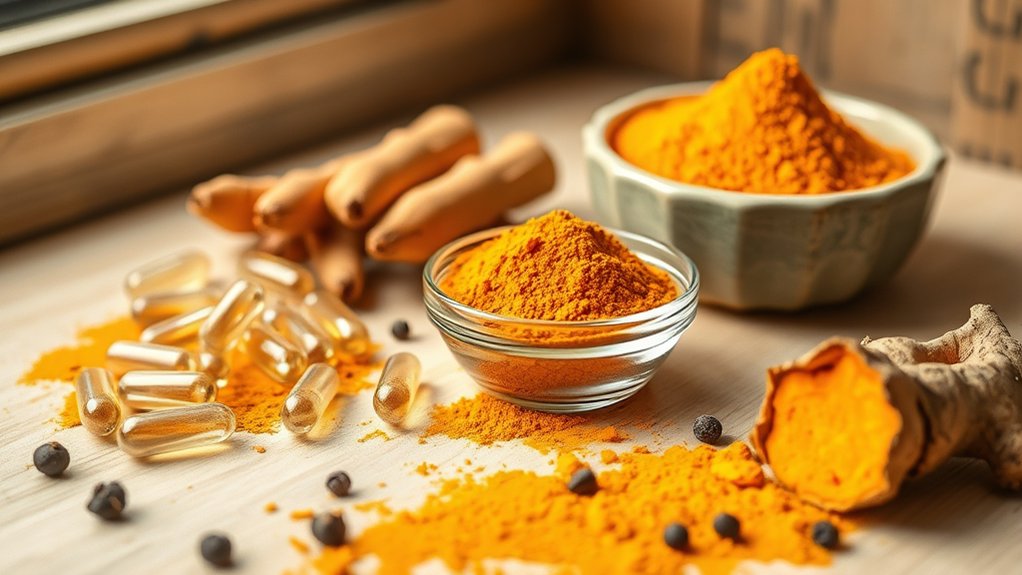
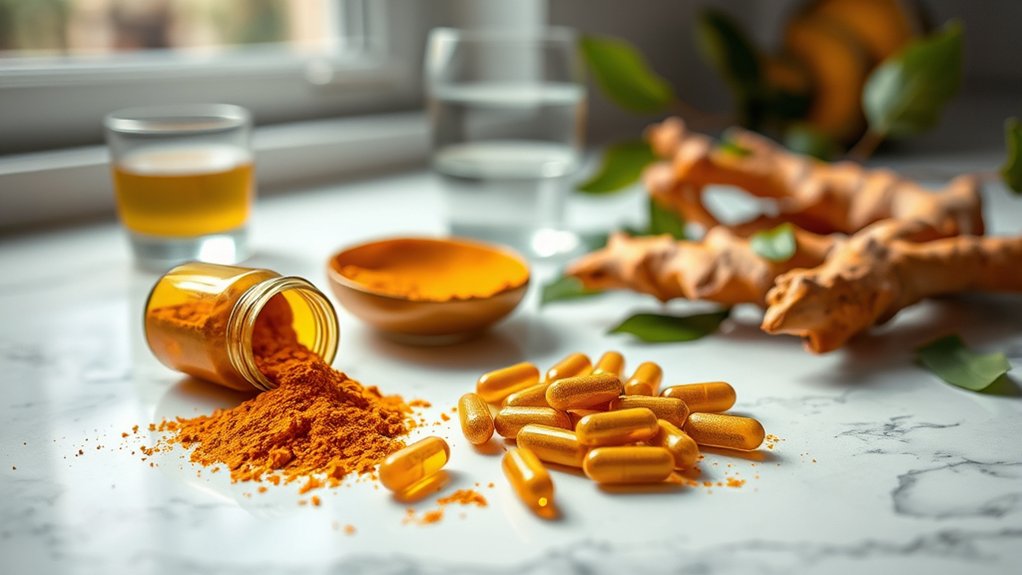
Although turmeric is commonly used as a spice, turmeric supplements concentrate its active compound, curcumin, which comes from the rhizome of the Curcuma longa plant.
These supplements typically contain curcumin extracts much more concentrated than the turmeric spice itself, ranging from 2% up to 95% curcumin.
Since curcumin naturally has low bioavailability, many turmeric supplements include piperine, an extract from black pepper, to enhance absorption by up to 2000%.
Curcumin’s low bioavailability is often boosted by piperine, increasing absorption up to 2000%.
Some formulations also add ingredients like ginger or probiotics to complement curcumin’s effects and broaden potential health benefits.
When considering turmeric supplements, it’s important to understand their composition and consult a healthcare provider to guarantee safe, effective use tailored to your needs.
How Curcumin in Turmeric Supplements Works in Your Body
You mightn’t realize this, but curcumin—the main compound in turmeric—is actually not absorbed very well on its own. That means its benefits in your body can be pretty limited.
So, how does it work? Well, curcumin helps reduce inflammation and oxidative stress by targeting specific pathways in your body.
But here’s the catch: its effectiveness really depends on how much of it actually gets absorbed.
That’s why combining curcumin with other substances, like piperine from black pepper, is so important. Piperine can boost curcumin’s absorption quite a bit, making the supplement much more effective overall.
Curcumin Absorption Challenges
Because curcumin, the active compound in turmeric, has low bioavailability, your body absorbs only a small fraction when you take it as a supplement.
Curcumin absorption is limited due to rapid metabolism and elimination.
However, combining curcumin with black pepper, which contains piperine, can boost its bioavailability by up to 2000%, making supplements far more effective.
Plus, consuming curcumin alongside dietary fats helps absorption since curcumin is fat-soluble.
Even with these strategies, absorption remains a challenge and might reduce the benefits you get from turmeric supplements.
Researchers are still exploring better delivery methods to overcome these issues.
Anti-Inflammatory Mechanisms
Understanding how curcumin works in your body helps clarify why its absorption challenges matter. Curcumin activates the Nrf2 pathway, boosting antioxidant defenses and lowering oxidative stress. It also inhibits the NF-κB pathway, reducing pro-inflammatory cytokines, which directly lessens inflammation.
Moreover, curcumin enhances AMPK activity, improving insulin sensitivity and contributing to anti-inflammatory mechanisms. These actions explain many benefits of turmeric, especially in chronic inflammation like arthritis.
| Mechanism | Effect on Inflammation |
|---|---|
| Nrf2 activation | Reduces oxidative stress |
| NF-κB inhibition | Lowers pro-inflammatory cytokines |
| AMPK enhancement | Improves insulin sensitivity |
| CRP and IL-6 reduction | Decreases inflammation markers |
Curcumin’s anti-inflammatory properties are central to turmeric’s health benefits.
Enhancing Bioavailability Methods
Although curcumin offers impressive health benefits, its low bioavailability greatly limits how much your body can absorb and use. To enhance absorption, many turmeric supplements include piperine from black pepper, which can boost curcumin bioavailability by up to 2000%.
Since curcumin is fat-soluble, taking it with fats like oils or dairy also improves absorption.
Furthermore, some supplements use advanced formulations such as microemulsions or nanoparticles to increase how much curcumin reaches your bloodstream.
Research shows consuming curcumin with food further enhances its uptake compared to an empty stomach.
Conditions Helped by Turmeric Supplements
You might find turmeric supplements helpful if you’re dealing with arthritis pain. Studies show that curcumin, the active ingredient in turmeric, can offer relief similar to ibuprofen.
Plus, they may also support mood improvements when taken alongside antidepressants.
Arthritis Pain Relief
When joint pain limits your daily activities, turmeric supplements can offer a natural alternative for relief. Turmeric’s active compound, curcumin, has demonstrated arthritis pain relief comparable to traditional medications like ibuprofen.
Research shows curcumin reduces inflammation markers in rheumatoid arthritis and eases osteoarthritis symptoms by decreasing joint pain and improving function.
Clinical trials suggest daily doses between 500 and 1000 mg of curcumin notably lower pain intensity. Its anti-inflammatory properties extend beyond arthritis, potentially benefiting related conditions involving chronic inflammation.
To maximize curcumin absorption, consider taking turmeric with black pepper.
While turmeric supplements aren’t a cure-all, they provide a promising, evidence-based option to support joint health and manage arthritis pain naturally.
Always consult your healthcare provider before starting any new supplement regimen.
Mood Disorder Benefits
Beyond its effects on joint health, turmeric’s active compound curcumin has shown promise in supporting mental well-being, particularly for mood disorders.
Research suggests curcumin can help reduce symptoms of depression by modulating neurotransmitter levels and decreasing inflammation in the brain. You might find curcumin supplements beneficial, especially when used alongside conventional antidepressants.
Studies have reported significant mood improvements and reduced anxiety in people with depressive symptoms. Moreover, curcumin’s antioxidant properties may protect your brain from oxidative stress, which is linked to mood disorders and cognitive decline.
However, while the benefits look promising, more clinical trials are needed to confirm effective dosages and long-term safety.
Proven Health Benefits of Turmeric Supplements
Several well-conducted studies have shown that turmeric supplements, mainly due to their curcumin content, offer multiple health benefits.
If you’re considering turmeric supplements, here are some proven health benefits you should know:
- Joint Pain Relief: Curcumin’s strong anti-inflammatory effects may reduce joint pain and symptoms of osteoarthritis. Sometimes, it can even match ibuprofen’s effectiveness.
- Antioxidant Protection: Curcumin helps neutralize free radicals, lowering oxidative stress. This may reduce the risk of chronic diseases like cancer and heart disease.
- Cardiovascular Health: Clinical trials show curcumin can improve blood lipid profiles by lowering triglycerides. This supports overall heart health.
Keep in mind, combining turmeric with black pepper greatly boosts curcumin absorption. That makes these benefits easier for your body to access.
Common Risks and Side Effects of Turmeric Supplements
If you take high doses of turmeric supplements, you might notice some mild digestive issues, like an upset stomach or diarrhea.
Also, it’s a good idea to be careful if you’re on blood thinners or diabetes medications. Turmeric can interact with these and increase the chances of bleeding or low blood sugar.
On top of that, turmeric might make gallbladder problems worse and could even raise the risk of kidney stones.
Digestive Issues
Although turmeric supplements offer many health benefits, they can cause digestive issues, especially when taken in high doses above 8 grams daily. When taking turmeric or curcumin supplements, you might experience side effects like stomach upset, nausea, or diarrhea.
These digestive issues tend to be more common if you have pre-existing gastrointestinal sensitivities.
Here are three key points to contemplate:
- High doses of curcumin may disrupt normal gut function, causing bloating or gas.
- Combining turmeric supplements with high-fat meals can improve absorption but might worsen digestive discomfort.
- If you have gallbladder problems or are prone to gallstones, use turmeric cautiously, as it may aggravate these conditions.
Being mindful of these factors helps you minimize side effects while benefiting from turmeric.
Medication Interactions
Because turmeric supplements have blood-thinning properties, they can interact with anticoagulant and antiplatelet medications. This raises your risk of bruising and bleeding.
If you’re taking medications like warfarin or tamoxifen, turmeric might change how effective they’re or increase side effects. You should be careful if you have diabetes, too, since turmeric supplements can lower blood sugar levels too much, which could lead to hypoglycemia.
High doses of curcumin, over 8 grams daily, may cause stomach upset, nausea, or diarrhea. Combining turmeric with piperine helps your body absorb it better, but it can also make these side effects stronger.
To stay safe, always talk to your doctor before adding turmeric supplements to your routine, especially if you’re on medication. They can help manage any possible interactions and reduce your risk of bleeding or other side effects.
Kidney Stone Risk
In addition to interacting with certain medications, turmeric supplements carry a potential risk for kidney stone formation, especially in those prone to this condition.
Taking turmeric supplements may increase your risk of developing kidney stones due to their high oxalate content, which contributes to calcium oxalate stone formation. If you have a history of kidney stones or kidney issues, it’s essential to consult a healthcare provider before use.
Keep these points in mind: High doses (over 2 grams daily) can heighten kidney-related risks, particularly in susceptible individuals.
Also, excessive curcumin intake may cause gastrointestinal problems, which can indirectly affect kidney health.
The low bioavailability of curcumin often leads to higher doses, and that could make the kidney stone risk worse.
Turmeric Supplement Drug Interactions to Know
How might turmeric supplements affect the medications you’re taking? Turmeric, especially its active compound curcumin, can cause significant drug interactions.
If you’re on blood thinners like warfarin, turmeric may increase your risk of bleeding and bruising.
Curcumin also influences liver enzymes, particularly CYP3A4, which can alter how some drugs are metabolized. This can potentially reduce their effectiveness or increase side effects. For example, it can enhance sulfasalazine absorption, making its effects stronger.
If you take antidiabetic medications, combining them with turmeric might cause your blood sugar to drop too low, so monitoring is really important.
Also, turmeric may impact tramadol levels, which can affect how well the pain relief works.
It’s always a good idea to check with your healthcare provider before adding turmeric supplements to your routine. That way, you can avoid any unwanted complications and stay safe.
How to Pick a Safe and Effective Turmeric Supplement
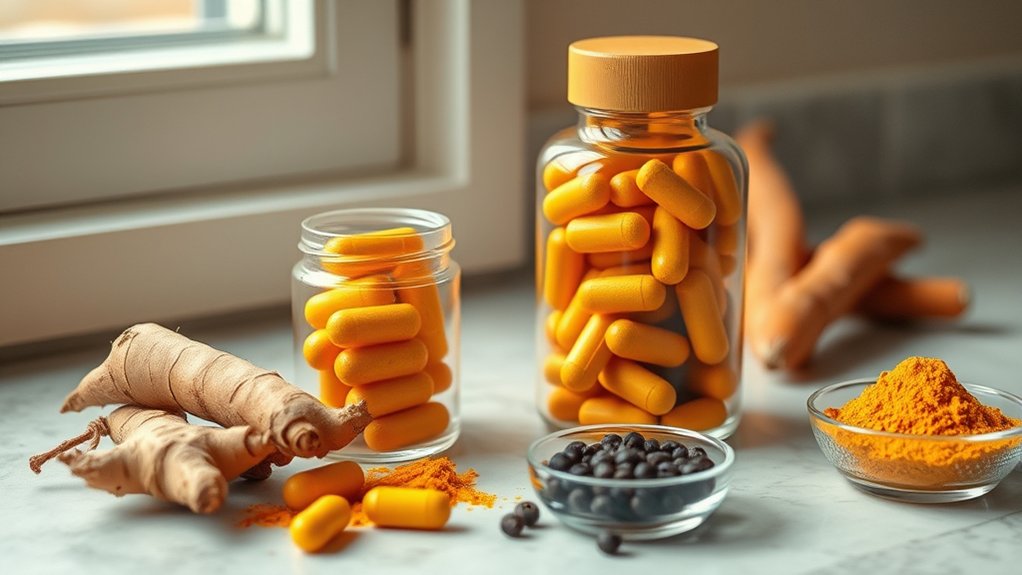
Maneuvering turmeric supplements can be tricky, especially after considering their potential interactions with medications. To pick a safe and effective turmeric supplement, focus on these key points:
- Choose supplements with about 95% curcumin, as this higher concentration offers more pronounced health benefits than whole turmeric spice.
- Look for products containing piperine, which can boost curcumin absorption dramatically, making the supplement more effective.
- Opt for third-party tested supplements free from artificial additives and fillers, ensuring quality, purity, and safety.
Always consult a healthcare provider before starting turmeric supplements, especially if you take medications or have health conditions.
This cautious approach helps you safely enjoy turmeric’s potential health benefits without unwanted side effects.
Tips to Maximize Turmeric Absorption and Benefits
Because curcumin, the active compound in turmeric, is poorly absorbed on its own, you can greatly boost its benefits by pairing it with certain ingredients. Adding black pepper, which contains piperine, can increase curcumin absorption by up to 2000%.
Also, consuming turmeric with healthy fats like olive or coconut oil enhances bioavailability, making curcumin more effective in your body. Taking turmeric supplements with meals may further improve absorption and reduce potential gastrointestinal discomfort.
For natural intake, using whole turmeric root in cooking or beverages like golden milk combines fats and spices, maximizing turmeric’s benefits.
By applying these tips, you’ll optimize curcumin absorption and harness turmeric’s therapeutic properties more efficiently.
This way, you can support your overall health with evidence-based strategies.
Turmeric Supplements vs. Whole Turmeric Root: What’s Best?
Successfully enhancing curcumin absorption with black pepper and healthy fats sets the stage for choosing between turmeric supplements and whole turmeric root.
You’ll find turmeric supplements offer a concentrated dose of curcumin, up to 95%, which can boost therapeutic effects but may increase the risk of side effects.
Whole turmeric root contains less curcumin (2%-9%) but adds fiber and phytonutrients that support overall health. It’s generally safe for most people.
Consider these points:
- Turmeric supplements deliver precise curcumin doses, which is ideal for targeted benefits.
- Whole turmeric root offers broader nutrients and is safer for daily use.
- Combining whole turmeric with black pepper enhances curcumin absorption considerably, making it effective when prepared well.
Balancing your needs and safety will help you decide what’s best.
Simple Ways to Use Turmeric Supplements Daily
Incorporating turmeric supplements into your daily routine can be straightforward and effective when you follow a few simple strategies.
Start by taking 500 mg of curcumin extract twice daily, as this dose has shown promise in managing arthritis symptoms.
To help your body absorb turmeric’s beneficial compounds, combine supplements with black pepper, which can boost curcumin absorption by up to 2000%.
Taking turmeric supplements alongside meals containing healthy fats further enhances their bioavailability, maximizing their anti-inflammatory effects.
However, before you begin, it’s wise to consult your healthcare provider, especially if you’re on blood thinners or have liver concerns.
Turmeric can interact with certain medications, so a quick check-in with your doctor is always a smart move.
Using turmeric thoughtfully can help you harness its potential health benefits safely and effectively.
It’s easier than you might think to make it a part of your daily wellness routine!
Frequently Asked Questions
Can Turmeric Supplements Be Taken During Pregnancy or Breastfeeding?
You shouldn’t take turmeric supplements during pregnancy or breastfeeding without consulting your healthcare provider.
Following turmeric safety guidelines is essential because high doses may affect pregnancy health considerations, like uterine contractions or bleeding risks.
Breastfeeding nutritional needs also require caution, as there’s limited research on turmeric’s effects.
Be mindful of herbal supplement interactions that could impact you or your baby.
It’s safer to use turmeric as a spice rather than a concentrated supplement.
How Long Does It Take to See Effects From Turmeric Supplements?
You won’t see turmeric’s magic overnight. Turmeric absorption rates mean you usually need 4 to 8 weeks before effects show.
Sticking to ideal dosage recommendations, like 500 mg twice daily with black pepper, boosts absorption for better results.
While long term effects often outshine quick fixes, turmeric compares well with alternatives like NSAIDs. It offers safer inflammation relief.
Patience pays, so give it time before judging its benefits.
Are Turmeric Supplements Suitable for Children?
Turmeric supplements aren’t generally recommended for children because the right dosage isn’t very clear.
Plus, there are potential side effects like stomach upset or bleeding risks.
While turmeric might’ve some health benefits for kids, it’s usually safer to go with natural options.
Like simply adding turmeric to their food. This way, they get mild effects without the risks that come from concentrated supplements.
It’s always best to check with a healthcare professional before giving any supplements to children.
That way, you can be sure it’s safe and suitable for their specific health needs.
Can Turmeric Supplements Cause Allergic Reactions?
Yes, turmeric supplements can cause allergic reactions, though they’re relatively rare.
If you have supplement sensitivity or turmeric allergies, you might experience skin irritation, itching, or gastrointestinal issues. These allergic reactions often occur in people allergic to ginger or related plants.
To stay safe, consult your healthcare provider before starting turmeric supplements, especially if you have a history of allergies.
That way, you can minimize any potential risks effectively.
Do Turmeric Supplements Have Any Impact on Mental Health?
Yes, turmeric supplements can impact your mental health by offering turmeric mental benefits.
Supplementation benefits include mood enhancement and improved cognitive function, thanks to curcumin’s anti-inflammatory effects that influence neurotransmitters like serotonin and dopamine.
Studies show it may reduce depression and anxiety symptoms, especially when combined with black pepper to boost absorption.
However, results vary, so it’s wise to consult a healthcare provider before starting supplementation.
Conclusion
If you’re considering turmeric supplements, know they can support inflammation and joint health when chosen wisely. For example, Sarah, who struggled with knee pain, found relief after using a high-quality curcumin supplement with added black pepper for absorption.
Still, be mindful of potential side effects and consult your doctor first. Combining supplements with a healthy diet guarantees you get the best benefits without risks. Turmeric can be a helpful addition, but balance and caution matter.