Is Protein Powder A Supplement? What You Need to Know
Yes, protein powder is a dietary supplement designed to help you quickly increase your protein intake. It’s made by extracting protein from sources like whey, soy, or peas, removing fats and carbs to create a concentrated form. Athletes, older adults, and busy people often use it to support muscle repair and meet higher protein needs.
While it’s super convenient, it’s best to prioritize whole foods for balanced nutrition. Keep exploring to understand its benefits, risks, and safe use.
What Is Protein Powder and How Is It Made?
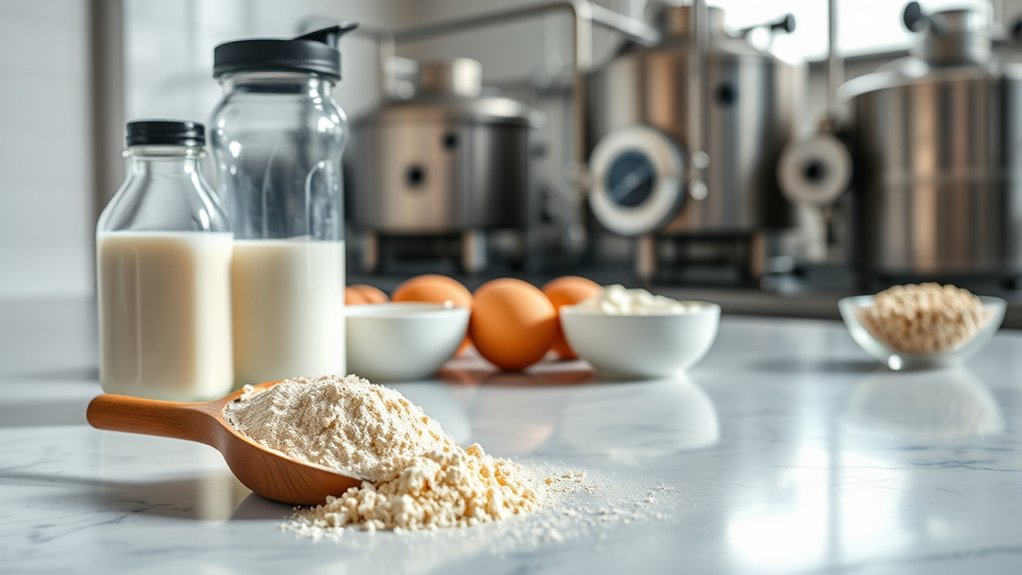
Protein powder is a concentrated supplement made by extracting protein from sources like plants, eggs, or milk, then removing fats, carbohydrates, and fibers. This process creates a concentrated powder that delivers high protein content per serving, typically ranging from 10 to 30 grams depending on the type and brand.
Common protein sources include whey, casein, soy, and pea proteins. Many protein powders contain added ingredients such as sugars, artificial flavors, thickeners, vitamins, and minerals. These additions can affect both nutrition and taste.
Whey, casein, soy, and pea are common protein sources, often with added sugars, flavors, and vitamins affecting nutrition and taste.
Since protein powders aren’t strictly regulated, quality and safety can vary greatly between products. So, you should carefully check labels and choose reputable brands.
This way, you’re more likely to get a supplement that meets your needs without unnecessary additives or contaminants.
Who Benefits Most From Using Protein Powder?
Who stands to gain the most from incorporating protein powder into their diet?
Athletes and active individuals benefit greatly, as protein powder helps meet elevated protein intake needs for muscle recovery and growth.
Older adults also gain from it, since extra protein supports muscle mass preservation, especially when appetite declines.
Individuals with medical conditions find protein powder valuable for healing and maintaining strength during recovery.
Vegetarians and vegans often struggle to meet protein requirements through diet alone, making plant-based protein powders a practical supplement.
Finally, busy individuals appreciate protein powder for its convenience, offering a quick, efficient way to boost protein intake without extensive meal prep.
How Much Protein Do You Really Need Each Day?

Meeting your daily protein needs depends on several factors, including your activity level, age, and overall health.
The Recommended Dietary Allowance (RDA) suggests about 0.8 grams of protein per kilogram of body weight for sedentary adults. That’s roughly 46 grams for women and 56 grams for men.
If you’re an active individual, especially an athlete, your daily protein needs can increase to between 1.2 and 2 grams per kilogram, depending on training intensity.
Older adults should aim for similar intakes to support muscle maintenance.
Most people meet their protein requirements through whole foods, so protein supplements usually aren’t necessary unless you struggle to reach your targets through diet alone.
Calculating your protein needs based on body weight helps guarantee you consume the right amount for your lifestyle.
What Are the Benefits of Protein Powder?
Although whole foods are the best source of nutrients, using protein powder can effectively help you meet your daily protein goals. This is especially true if you have increased needs due to exercise or health conditions. Protein powders provide a concentrated source of protein, typically delivering 10 to 30 grams per scoop, making them a convenient dietary supplement.
Protein powders offer a convenient, concentrated protein boost, ideal for meeting higher daily needs from exercise or health conditions.
They contain essential amino acids that are critical for muscle repair and building muscle after workouts. Fast-digesting options like whey protein are particularly effective post-exercise to prevent muscle protein breakdown.
Moreover, protein powders support individuals with reduced appetite or specific health conditions by supplying necessary nutrition when whole food intake falls short.
Incorporating protein powder can also help maintain balanced macronutrient intake, especially if you follow vegetarian or vegan diets that may lack sufficient protein-rich foods.
What Are the Health Risks of Protein Powder?
Protein powders can offer convenience and nutritional benefits, but it’s important to be aware of potential health risks they may carry. Some protein powders contain heavy metals, which pose long-term health concerns. Since the FDA allows manufacturers to self-evaluate safety, quality varies widely.
You might experience digestive issues, especially if you’re lactose intolerant or allergic to dairy, as many powders contain milk-based proteins.
Also, watch out for added sugars; some products pack up to 23 grams per scoop, which can contribute to weight gain and blood sugar spikes.
Relying heavily on protein powders may lead to nutrient imbalances because they lack the vitamins and minerals found in whole foods.
To stay safe, use protein powders in moderation and choose reputable brands with transparent ingredient lists.
Could Protein Powder Contain Harmful Additives or Toxins?
How can you be confident that your protein powder is free from harmful additives or toxins? Protein powders sometimes contain high added sugars, artificial flavors, and even toxins like heavy metals and BPA.
A 2025 Clean Label Project found some protein powders exceeded BPA safety limits by 25 times. Since the FDA allows self-evaluation, safety and purity can vary widely. So, it’s really important to be cautious when choosing your product.
You should look for protein powders with third-party testing certifications. That way, you can be more sure your protein consumption is safe.
| Risk Factor | Example Found | Impact on Safety |
|---|---|---|
| Added Sugars | Up to 23g per scoop | Negative health effects |
| Heavy Metals | Detected in several | Toxicity concerns |
| BPA Contamination | 25x above limits | Potential hormonal impact |
How to Choose a Safe and Effective Protein Powder
Where should you start when selecting a protein powder that’s both safe and effective? Focus on transparency and quality by considering these points:
Choose protein powders with third-party testing, like NSF Certified for Sport, to verify ingredient accuracy and safety.
Check labels for added sugars and avoid powders with artificial flavors or thickeners that can undermine health benefits.
Opt for high-quality proteins such as whey isolate or well-formulated plant-based blends that provide better nutrient retention.
Be aware of harmful toxins; review reports from organizations like the Clean Label Project to avoid contaminants like heavy metals.
And don’t forget, it’s a good idea to consult a registered dietitian or healthcare provider to align your protein powder choice with your specific dietary needs and health conditions.
This evidence-based approach helps guarantee you select a safe, effective protein supplement. Easy enough, right?
When Should You Avoid or Limit Protein Powder Use?
While selecting a safe and effective protein powder is important, there are situations when you should avoid or limit its use. Protein powders come from various sources, so you need to be careful if you have allergies or intolerances to ingredients like dairy, soy, or eggs. This helps prevent allergic reactions or digestive problems.
Also, if you already get enough protein from whole foods, adding protein powder might push your intake too high. That can lead to unwanted weight gain. And if you have kidney issues, it’s best to limit protein powder use to avoid putting extra strain on your kidneys.
| When to Avoid/Limits Use | Reason |
|---|---|
| Lactose intolerance/Dairy allergy | Prevent digestive distress |
| High-protein diet | Avoid excess protein intake and weight gain |
| Kidney issues | Reduce kidney workload |
| Allergies (soy, egg, etc.) | Prevent allergic reactions |
How to Use Protein Powder Safely and Effectively
Before adding protein powder to your routine, you should consult a healthcare provider to tailor your intake based on your health status and fitness goals.
Using protein powder safely and effectively involves several key steps.
First, consult healthcare providers to determine the right type and amount for you. It’s best to consume protein powder post-workout to support muscle repair and growth.
Also, watch for additives by choosing powders low in sugars and artificial ingredients.
Make sure to opt for powders with third-party testing certification to guarantee purity and safety.
And remember, balance your diet by prioritizing whole foods as your main protein source.
Following these guidelines helps you maximize benefits while minimizing potential risks associated with protein powder use.
It’s all about being smart and listening to your body.
Why Whole Foods Should Be Your Primary Protein Source
You’ll get more nutrients from whole foods than from protein powders. They come packed with essential vitamins, minerals, and fiber that help keep you healthy overall.
Plus, whole foods provide complete amino acid profiles your body needs for muscle repair—something some powders mightn’t offer.
And on top of that, when you choose whole foods, you’re cutting down on exposure to additives that often sneak into supplements.
Nutrient Density Advantages
Because whole foods deliver more than just protein, they should be your primary source for meeting protein needs. Their high nutrient density supports your health and well-being far beyond what protein powders offer.
When you choose protein from food, you also get essential vitamins and minerals that aid bodily functions and overall wellness.
For instance, dairy products provide calcium and vitamin D, while eggs contain choline and antioxidants.
Consider these nutrient benefits of whole foods:
- Rich in vitamins and minerals not found in supplements
- Contain healthy fats like omega-3s
- Enhance satiety and metabolic health
- Provide diverse amino acids through variety
- Support long-term health and well-being
Relying on whole foods guarantees you nourish your body thoroughly, making them clearly superior to isolated protein supplements.
It just makes sense to get your nutrients from real food!
Complete Amino Acid Profiles
Amino acid profiles play an indispensable role in determining the quality of a protein source. Whole foods typically provide complete profiles containing all essential amino acids your body needs. Foods like eggs, meat, and dairy deliver high-quality protein with ideal amino acid ratios, supporting effective muscle repair and growth.
Even plant-based whole foods such as quinoa and soy offer complete amino acid profiles, making them valuable for vegetarians and vegans. Relying on whole foods for dietary protein guarantees you get not only essential amino acids but also crucial vitamins and minerals often missing in protein powders.
Prioritizing whole foods helps maintain a balanced diet and prevents excessive protein intake. This way, you can tailor your nutrition to support overall health and ideal muscle recovery efficiently.
It’s a smart approach that benefits your body in more ways than one.
Reduced Additive Exposure
Although protein powders can offer convenience, whole foods remain the best choice to limit your exposure to additives. Powders and protein bars often contain added sugar, artificial flavors, and thickeners that increase calories and may cause digestive discomfort.
Whole foods, on the other hand, provide complete nutrition beyond just protein, including fiber, vitamins, and minerals essential for your health.
When you prioritize whole foods, you benefit from avoiding additives common in powders and bars, reducing intake of added sugar and excess calories, and minimizing exposure to contaminants like heavy metals and BPA.
You also support digestive health through natural fiber and meet your protein needs with nutrient-rich options like eggs, chicken, and legumes.
Choosing whole foods helps you maintain a balanced diet without relying heavily on processed supplements. It’s just a smarter way to eat and feel good.
Frequently Asked Questions
Can Protein Powder Help With Weight Loss?
Yes, protein powder can help with weight loss by acting as a meal replacement that boosts satiety levels, so you eat fewer calories overall.
It provides quality protein sources that support muscle preservation and exercise recovery, which are essential for effective weight management.
You can tailor it to your dietary preferences and incorporate it into your routine to maintain lean muscle while losing fat.
This helps enhance your body’s ability to burn calories efficiently.
How Does Protein Powder Affect Kidney Function?
Protein powder affects kidney health mainly through your protein intake. If you consume it moderately, your renal function usually stays fine, supporting muscle recovery without harm.
However, excessive protein can strain your kidneys, especially if you have pre-existing issues.
Staying hydrated is essential since hydration levels help your kidneys process waste efficiently.
Maintaining dietary balance guarantees you get enough nutrients without overwhelming your renal system. This promotes overall kidney health and effective muscle recovery.
Are Plant-Based Protein Powders as Effective as Whey?
Yes, plant protein powders can be as effective as whey if you choose blends that provide a complete amino acids profile.
While plant proteins generally digest slower, they still support muscle growth and nutrient absorption well. Plus, they often offer diverse flavor options and are gentler on digestion.
Considering their lower environmental impact, plant-based options make a solid choice without sacrificing performance or variety in your diet.
Can Children Safely Consume Protein Powder?
Think of your child’s nutrition like a garden. You want natural, whole plants rather than synthetic seeds.
Children can meet their dietary needs through balanced protein sources like dairy, meat, and legumes. These options align with recommended intake and age considerations.
Protein powders bring safety concerns, like excess intake and additives that may disrupt growth. So, it’s important to be careful with supplements.
Always consult a pediatrician before adding supplements. That way, you can make sure your child’s nutrition stays healthy and appropriate.
How Long Does Protein Powder Last After Opening?
Protein powder’s shelf life after opening is usually 6 to 12 months. To keep it fresh and tasty, store it in a cool, dry place inside an airtight container.
Always check the expiration dates and watch out for signs like off smells, clumping, or color changes. These are clues that your protein powder mightn’t be good anymore.
Following these storage tips helps make sure it stays safe and potent.
For the best results, try to use it well before the expiration date so you can enjoy the flavor and nutritional benefits at their peak.
Conclusion
Think of protein powder as a helpful tool in your nutrition toolbox, not the whole kit. While it can boost your protein intake, especially when whole foods fall short, it shouldn’t replace the rich, natural sources your body truly thrives on.
Use it wisely, like adding a splash of color to a balanced canvas. By choosing quality products and staying mindful of your needs, you support your health with both science and care.