How Much Potassium Supplement Per Day Without Side Effects
You should take potassium supplements based on your specific health needs, typically between 20 to 100 mEq daily. Preventative doses usually start around 20 mEq, while treatment for low potassium may require higher amounts. Always take supplements with food and water to avoid stomach discomfort.
And it’s really important to consult your healthcare provider before starting. Factors like medications, kidney function, and diet all affect your needs. Understanding these details can help you manage your potassium intake safely and effectively.
Recommended Daily Potassium Supplement Dosages
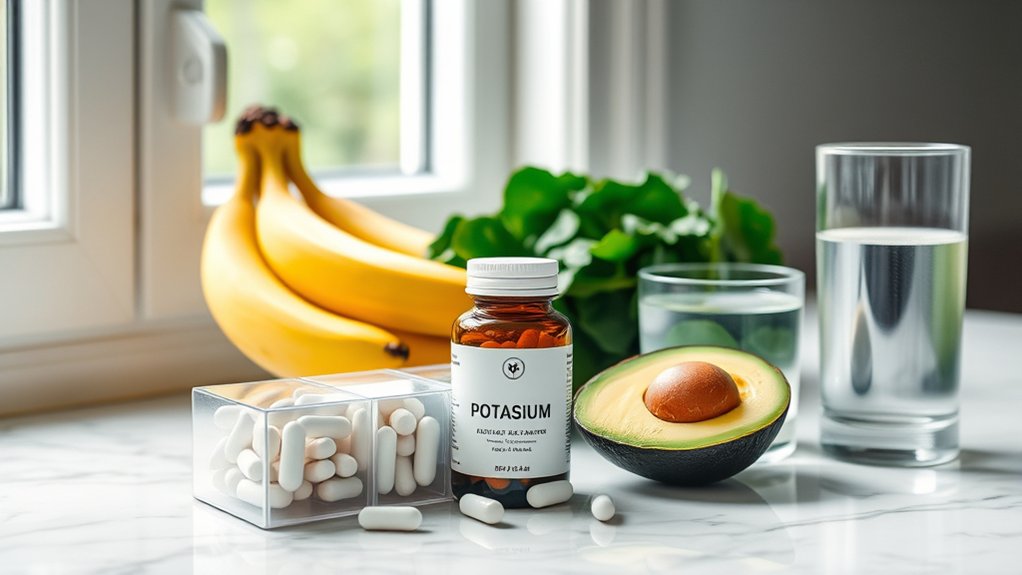
Although individual potassium needs vary, adults typically require between 40 mEq and 100 mEq of potassium daily to treat hypokalemia. Preventative doses usually hover around 20 mEq per day.
When considering potassium supplements, it’s important to understand that over-the-counter options usually contain under 99 mg per serving. These are suitable for mild deficiencies. Prescription supplements offer higher adult dosage levels, measured in milliequivalents, for more severe hypokalemia cases.
You should always take potassium supplements with food and liquid to minimize gastrointestinal discomfort.
Because your individual potassium needs depend on factors like age and health status, consultation with a health care provider is essential. They can help determine the correct recommended daily dosage tailored to your situation, ensuring safe and effective potassium supplementation.
Medical and Lifestyle Factors Affecting Potassium Supplement Needs
You’ll want to take a close look at how certain medications, like diuretics, can cause your body to lose more potassium than usual. This loss can change how much potassium you might need to supplement.
If you have kidney problems, it’s important to be cautious because your potassium needs might actually be lower. Too much potassium in this case could lead to something called hyperkalemia, which can be harmful.
Besides medications and kidney health, other things like what you eat, whether you’re pregnant, and your digestive system’s condition can also affect how much potassium your body requires each day.
Medication Impact On Potassium
Because certain medications directly affect how your body handles potassium, understanding their impact is essential for proper supplementation.
Diuretics like thiazides increase potassium loss, raising your risk of hypokalemia and often requiring higher potassium supplementation.
Conversely, ACE inhibitors and potassium-sparing diuretics can cause hyperkalemia, so managing potassium intake carefully is vital.
Chronic conditions, including kidney disease, also influence potassium levels but will be discussed separately.
Furthermore, lifestyle factors such as high sodium intake can worsen potassium deficiency, making tailored supplementation important.
If you have inflammatory bowel disease, increased potassium secretion may demand more supplementation.
Always consult your healthcare provider to adjust potassium supplementation based on your medications and chronic conditions to maintain safe and effective potassium balance.
Kidney Function Considerations
When your kidneys don’t work properly, managing potassium intake becomes really important to avoid dangerous imbalances. If you have chronic kidney disease, your kidneys mightn’t clear potassium well, leading to high levels called hyperkalemia. This condition can cause serious health problems like heart issues.
Certain medications, like ACE inhibitors and potassium-sparing diuretics, can make your body hold on to more potassium. So, you might need to cut back on potassium supplements or adjust how much potassium you eat.
On the other hand, if you take diuretics that cause potassium loss, you could end up with low potassium, or hypokalemia, and might need to increase your supplements.
It’s important to get regular blood tests to keep track of your potassium levels. That way, you and your doctor can adjust your potassium intake to fit your needs.
Dietary And Lifestyle Factors
Managing potassium levels goes beyond kidney function and medication effects; your diet and lifestyle also play significant roles in determining your potassium supplement needs.
If you have health conditions like inflammatory bowel disease, you might experience higher potassium loss and require increased potassium intake. Diuretics, especially thiazide types, can cause urinary potassium loss, making supplementation necessary to avoid deficiency.
On the other hand, potassium-sparing diuretics and ACE inhibitors can raise potassium levels, so careful monitoring is essential to prevent hyperkalemia.
Athletes or those with intense physical activity also need more potassium to replace losses through sweat.
Diets low in fruits and vegetables often lead to inadequate potassium intake, emphasizing the importance of evaluating your diet and considering supplementation under professional guidance to maintain balanced potassium levels.
Common Potassium Supplement Forms and Their Dosages
Although potassium supplements come in various forms, potassium chloride is the most commonly used for treating hypokalemia. Potassium citrate, on the other hand, is preferred for preventing kidney stones.
Over-the-counter supplements typically contain less than 99 mg of potassium, whereas prescription doses are measured in mEq and often range from 20 to 100 mEq daily. Extended-release options let you take your dose less frequently and can reduce stomach upset, especially when taken with food and liquid.
It’s always best to have healthcare professionals determine your ideal daily potassium dosage based on your individual needs.
| Supplement Form | Typical Dosage | Primary Use |
|---|---|---|
| Potassium Chloride | 40–100 mEq per day | Treat hypokalemia |
| Potassium Citrate | ~20 mEq per day | Prevent kidney stones |
| OTC Dietary Supplements | <99 mg per serving | General supplementation |
Symptoms and Conditions That Indicate a Need for Potassium Supplements

If you notice symptoms like muscle weakness, feeling tired all the time, or an irregular heartbeat, it could be a sign that your potassium levels are low and you might need supplements.
Sometimes, certain health issues, like inflammatory bowel disease, or medications such as diuretics, can cause your body to lose more potassium than usual.
When that happens, it’s really important to talk to a healthcare provider to see if potassium supplements are right for you.
Signs of Deficiency
When your body lacks sufficient potassium, you might notice symptoms like muscle weakness, fatigue, or an irregular heartbeat that suggest you need supplementation.
This potassium deficiency, known medically as hypokalemia, can happen because of potassium loss from medications or certain health conditions.
Early signs often include muscle cramps and constipation. These symptoms signal that you may need to adjust your diet or consider supplements.
Ignoring these signs can increase health risks like high blood pressure, kidney stones, and increased bone turnover.
Mild hypokalemia symptoms should prompt timely evaluation and correction to avoid more serious complications.
If you experience persistent fatigue or muscle weakness, it’s a good idea to think about your potassium levels.
Talk to a healthcare professional who can guide you on the right supplementation based on your individual needs.
Medical Conditions Requiring Supplementation
Because certain medical conditions and treatments increase potassium loss or disrupt its balance, you may need supplementation to maintain healthy levels.
Hypokalemia, marked by symptoms like muscle weakness, fatigue, and irregular heartbeat, often requires potassium supplementation to restore normal function and prevent complications.
If you have inflammatory bowel disease, frequent diarrhea can lead to potassium depletion, making supplementation necessary.
Furthermore, if you take diuretics, these medications increase urinary potassium excretion, raising the risk of deficiency.
Symptoms such as muscle cramping and constipation may signal low potassium levels that supplementation can address.
For those with kidney stones, especially calcium oxalate types, potassium supplementation can reduce stone formation risk.
Monitoring symptoms and consulting your healthcare provider helps determine if potassium supplementation is appropriate for you.
It’s always best to check before starting any new supplement.
Health Conditions That Warrant Avoiding or Limiting Potassium Supplements
Although potassium supplements can benefit many individuals, certain health conditions require you to avoid or limit their use to prevent dangerous complications.
If you have impaired renal function, such as chronic kidney disease, your kidneys may not excrete potassium effectively. This increases the risk of hyperkalemia, a potentially life-threatening condition.
You should also be cautious if you’re on potassium-sparing diuretics or taking ACE inhibitors, as these can elevate potassium levels.
Moreover, adrenal insufficiency affects potassium intake regulation, so careful management is important to avoid excess potassium.
Severe gastrointestinal disturbances like persistent vomiting or diarrhea can disrupt electrolyte balance and make potassium levels more complicated.
Always consult healthcare providers before starting potassium supplements if you have these conditions. That way, you can ensure safe and appropriate use.
Which Medications Affect How You Should Take Potassium Supplements
Certain medications can really influence how you should take potassium supplements. For example, diuretics might cause you to lose more potassium than usual.
On the other hand, medications like ACE inhibitors and potassium-sparing drugs can increase your chances of having too much potassium in your system.
Knowing how these medications affect your potassium levels is important. It helps you manage your supplements safely and make sure they work the way they’re supposed to.
Diuretics And Potassium Balance
When you take diuretics, understanding their impact on potassium balance is crucial for safe supplementation. Thiazide and loop diuretics increase urinary potassium loss, often leading to hypokalemia. So, potassium supplementation may be necessary.
Dosages typically range from 20 mEq for prevention to 100 mEq for treating low potassium levels.
However, potassium-sparing diuretics like spironolactone can raise potassium levels, making supplementation risky without medical guidance.
Because diuretics affect potassium differently, you should always consult healthcare providers before starting supplements. They’ll monitor your potassium levels and determine the appropriate dosage based on your specific needs.
Managing potassium carefully prevents complications and guarantees your treatment remains both effective and safe.
ACE Inhibitors And Risks
Because ACE inhibitors can raise potassium levels in your body, taking potassium supplements without medical advice can increase your risk of hyperkalemia, which is a potentially dangerous condition. You should always consult your healthcare provider before starting any supplements, especially if you’re on ACE inhibitors or potassium-sparing diuretics.
Regularly monitoring your potassium levels is key to preventing complications. Your provider may adjust supplement dosages based on your medication and kidney function.
| Medication Type | Effect on Potassium | Monitoring Needed |
|---|---|---|
| ACE Inhibitors | Increase levels | Frequent checks |
| Potassium Supplements | Increase levels | Dose adjustment |
| Potassium-Sparing Diuretics | Increase risk | Close supervision |
Always work with your healthcare provider to safely manage potassium levels while on these medications.
Potassium-Sparing Medication Effects
Although potassium-sparing medications like spironolactone and eplerenone help manage fluid balance, they can raise your potassium levels considerably. This increased risk of hyperkalemia means you must be cautious with potassium supplementation.
If you’re also on ACE inhibitors, such as lisinopril, the combined effect can further elevate potassium retention. It’s essential to consult healthcare providers before starting or adjusting potassium supplements. They’ll likely recommend regular blood tests to monitor potassium levels and prevent complications.
Instead of supplements, prioritize dietary potassium sources, which offer a safer, more balanced intake.
Careful management of potassium intake while on these medications helps maintain ideal health and reduces the risk of dangerous potassium imbalances. Always follow professional guidance tailored to your medication regimen.
How to Safely Take Potassium Supplements
If you need potassium supplements, it’s essential to take them correctly to avoid side effects and guarantee proper absorption. Always consult a healthcare professional to determine the appropriate dosage, especially if you’re treating hypokalemia or using preventative dosages.
Over-the-counter potassium supplements contain lower doses, while prescription forms offer higher, measured amounts.
Taking supplements with food and plenty of liquid helps minimize gastrointestinal upset. Extended-release formulations are available if you require a steady potassium level throughout the day.
- Consult a healthcare professional before starting supplementation
- Follow prescribed dosage, whether for hypokalemia or prevention
- Take potassium supplements with meals and fluids
- Avoid self-medicating with over-the-counter potassium to prevent misuse
- Consider extended-release formulations for prolonged effect
This careful approach guarantees safety and effectiveness in managing your potassium levels.
Risks of Taking Too Much Potassium Supplement
Taking potassium supplements correctly helps maintain safe potassium levels, but consuming too much can quickly lead to serious health risks. Excess potassium intake may cause hyperkalemia, a condition marked by dangerously high potassium levels in your blood. This can trigger symptoms like fatigue, nausea, muscle weakness, and irregular heartbeat.
Proper potassium supplement use prevents hyperkalemia, which can cause fatigue, nausea, muscle weakness, and irregular heartbeat.
These symptoms can potentially lead to life-threatening complications. If you have chronic kidney disease, your kidneys mightn’t remove excess potassium efficiently, which increases your risk.
Also, certain medications, such as potassium-sparing diuretics and ACE inhibitors, can raise potassium levels when combined with supplements.
Because both excess and insufficient potassium pose health risks, it’s essential to manage potassium intake under professional supervision. Always consult your healthcare provider before adjusting your potassium supplement to avoid these serious complications.
It’s better to be safe and get the right guidance.
Potassium Dosages for Hypokalemia Treatment
When you need to treat hypokalemia, potassium dosages typically range from 40 mEq to 100 mEq per day for adults, depending on how severe your deficiency is.
Your healthcare professionals will tailor dosages based on your specific potassium levels and dietary intake. Supplements are often prescribed at these ranges and should be taken with food and liquid to minimize gastrointestinal discomfort.
Over-the-counter options usually provide much lower potassium amounts, which aren’t enough for treatment.
Managing your potassium carefully is essential to avoid complications.
Feel empowered knowing your treatment is personalized. Trust the guidance of healthcare professionals. Understand the importance of proper dosages. Recognize that supplements support, not replace, your diet.
And stay mindful of gastrointestinal health during treatment.
How to Get Enough Potassium From Diet Before Using Supplements
Before turning to supplements, you can meet your potassium needs by focusing on a well-rounded diet rich in natural sources. Prioritize potassium-rich foods like fruits, vegetables, legumes, and low-fat dairy to optimize your dietary intake.
A balanced diet guarantees you get sufficient potassium without relying on supplements. Supplements should only be considered if dietary efforts fall short.
| Food Item | Potassium Content (mg) |
|---|---|
| Medium Banana | 451 |
| Cooked Spinach (1 cup) | 839 |
| Sweet Potato (½ cup) | 286 |
| Cooked Lentils (1 cup) | 731 |
| Low-fat Yogurt (1 cup) | 579 |
Try to incorporate these foods regularly to support your potassium needs naturally before thinking about supplements.
Frequently Asked Questions
Can Potassium Supplements Interact With Herbal Remedies?
Yes, potassium supplements can interact with herbal remedies, affecting supplement safety and dosage recommendations.
You should watch for potassium interactions, especially with herbs like licorice or dandelion, which can alter nutrient absorption or potassium levels.
These herbal remedy effects might increase potential side effects like hyperkalemia.
To maximize health benefits and avoid risks, rely on natural sources and consult your healthcare provider before combining supplements with herbs.
How Do Potassium Supplements Affect Athletic Performance?
Potassium benefits your athletic performance by supporting electrolyte balance and hydration. These are essential for endurance levels and reducing fatigue.
It also helps with muscle recovery by aiding proper muscle contraction and preventing cramps.
When you time your potassium intake around workouts, you can really boost your performance and recovery. Staying adequately supplied helps maintain fluid balance.
This means you can push harder and recover faster during intense exercise sessions.
Are There Natural Alternatives to Potassium Supplements?
Yes, you can rely on potassium-rich foods as natural alternatives to supplements. Incorporate natural food sources like bananas, spinach, and lentils, which align with dietary guidelines recommending 4,700 mg daily.
Proper cooking methods and food pairing can enhance nutrient absorption, helping prevent potassium deficiency.
These choices offer health benefits beyond supplementation. They support cardiovascular health naturally while ensuring you meet your potassium needs through whole foods.
It’s a simple way to keep your body balanced and healthy.
Can Potassium Supplements Influence Blood Pressure Readings?
Yes, potassium supplements can influence your blood pressure readings by helping lower them, especially if your potassium levels are low.
Using supplement forms alongside dietary sources can boost your intake safely.
However, you should stick to the recommended intake and monitor levels regularly because too much potassium may cause side effects like hyperkalemia.
Always consult a healthcare professional to balance health benefits with potential risks effectively.
What Are the Signs of Potassium Supplement Overdose?
You won’t suddenly explode from potassium overdose symptoms, but you’ll notice muscle cramps, fatigue, and heart rhythm disturbances fast.
Elevated blood potassium levels can disrupt kidney function and cause gastrointestinal issues like nausea.
Ignoring these signs risks severe complications, including life-threatening arrhythmias.
To avoid long-term effects, carefully follow dosage recommendations and consult your doctor, especially if you have kidney problems or take potassium-sparing medications.
Conclusion
You might think getting potassium is as simple as popping a supplement daily, but too much can backfire. Your heart won’t thank you for overdoing it.
While supplements help when your levels dip, relying on pills instead of a balanced diet isn’t the smartest move. So, before you start dosing yourself like a pro athlete, remember: moderation and medical advice are your best friends.
After all, even something as essential as potassium can become a troublemaker if you’re careless.