Can I Take An Iron Supplement While Pregnant? Importance for Baby and Mother
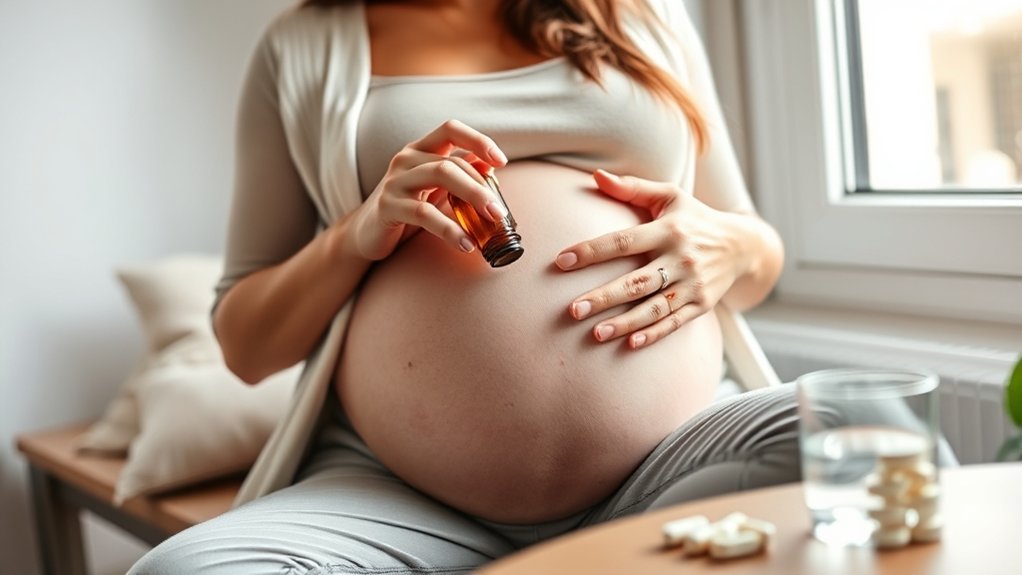
Yes, you can and should take an iron supplement during pregnancy to meet your increased daily need of 27 mg. Iron supports your blood volume and your baby’s growth while preventing fatigue and serious complications like preterm birth.
Starting supplements early, ideally after your first prenatal check, helps maintain healthy iron levels. You’ll want to follow absorption tips and manage any side effects carefully.
To understand how iron interacts with other factors and what to watch for, keep exploring.
Why Iron Is Crucial During Pregnancy

During pregnancy, your body needs about 27 mg of iron daily, which is a lot more than when you’re not expecting. This extra iron supports the increased blood volume and helps your baby grow.
Iron is super important because it helps produce hemoglobin, which carries oxygen to both you and your developing baby, making sure everything grows healthy.
Iron deficiency affects 15% to 20% of pregnant women and can cause problems for mom and baby. It might lead to complications like low birth weight and preterm birth, which nobody wants.
Plus, it can affect the baby’s brain development, increasing the risk of neurocognitive issues.
Many women start pregnancy with low iron stores, and just eating iron-rich foods often isn’t enough. That’s why prenatal vitamins with iron are recommended for everyone.
Taking these supplements helps keep your iron levels up, supporting both your health and your baby’s development throughout pregnancy.
How Much Iron Do Pregnant Women Need
You need about 27 mg of iron daily during pregnancy. This amount is higher than when you’re not pregnant because your blood volume increases and your baby needs more iron too.
Prenatal vitamins usually include iron to help you meet this requirement. However, some health organizations suggest taking supplements that range from 30 to 60 mg daily.
It’s important to keep an eye on your iron levels with your healthcare provider.
That way, you can make sure you’re getting just the right amount for you and your baby.
Daily Iron Requirements
Pregnant women need about 27 mg of iron each day to support their increased blood volume and the growing fetus. Meeting these iron requirements is vital to prevent iron deficiency anemia, which affects 15% to 20% of pregnant women.
Since the typical diet provides only about 15 mg daily, iron supplementation becomes essential. Prenatal vitamins usually contain iron to help bridge this gap.
To understand your daily iron needs: aim for 27 mg of iron daily during pregnancy. Recognize that diet alone often falls short.
Use iron supplementation as recommended by healthcare providers. Also, monitor for signs of iron deficiency anemia regularly. This approach supports both your health and your baby’s development effectively.
Prenatal Supplement Recommendations
Although your body increases its iron needs throughout pregnancy, meeting the recommended daily intake of 27 mg can be challenging through diet alone. Typical diets provide about 15 mg daily, so iron supplementation becomes essential to support fetal growth and increased blood volume.
Prenatal vitamins usually contain iron, but the amount varies, so you should check the label to confirm it meets the recommended allowance. Maintaining adequate maternal iron status helps prevent iron deficiency and anemia, which affects 15% to 20% of pregnant women.
The World Health Organization suggests daily iron supplements ranging from 30 mg to 60 mg, especially in regions with high anemia rates.
It’s a good idea to consult your healthcare provider to tailor iron supplementation to your specific needs and promote a healthy pregnancy.
When and Why to Start Iron Supplements
You’ll usually begin taking iron supplements early in your pregnancy, often right after your first prenatal screening shows your iron levels.
It’s good to keep an eye out for symptoms like feeling tired or noticing pale skin, but medical tests are really the best way to know for sure.
Starting supplements at the right time helps keep both you and your baby safe from problems caused by not having enough iron.
Timing For Supplementation
Since iron needs increase considerably during pregnancy, starting supplementation early is essential, especially if iron deficiency or anemia risk factors are present.
Timing for supplementation plays a vital role in effective prenatal care. You should consider:
- Begin iron supplementation at your first prenatal visit, particularly if screening detects iron deficiency.
- Follow daily iron supplements of 30-60 mg as recommended by the World Health Organization to meet increased demands.
- Undergo routine screening between weeks 24-28 to monitor iron levels and adjust supplementation if necessary.
- Take supplements on an empty stomach to enhance absorption, avoiding foods or medications that interfere.
It’s a good idea to stick to these guidelines to help keep both you and your baby healthy throughout the pregnancy.
If you have any questions or concerns, don’t hesitate to talk to your healthcare provider. They can help tailor the plan just for you!
Signs Of Deficiency
Monitoring for signs of iron deficiency during pregnancy helps determine when to start or adjust supplementation. You may notice symptoms of low iron such as fatigue, pale skin, shortness of breath, or difficulty concentrating. These can greatly affect your daily life.
Since 15% to 20% of pregnant women experience iron deficiency, addressing these symptoms early is essential to improving health outcomes for both you and your baby. Blood tests measuring ferritin levels provide a clear diagnosis. Levels below 30 micrograms per liter indicate deficiency.
While prenatal vitamins contain some iron, they often fall short of the 27 mg daily allowance needed during pregnancy. Maternal iron supplementation, especially in the second and third trimesters, supports fetal development.
It also reduces risks like low birth weight or preterm birth.
Medical Screening Importance
Although iron needs rise steadily during pregnancy, medical screening at your first prenatal visit and again between weeks 24 and 28 guarantees timely detection of deficiency.
Early identification of iron deficiency through ferritin level assessment helps your health care provider determine if iron supplementation is necessary.
Here’s why starting iron supplements at the right time matters: About 15% to 20% of pregnant women develop iron deficiency, increasing anemia risk. Ferritin levels under 30 micrograms per liter indicate insufficient iron stores.
Untreated anemia can lead to complications like low birth weight or preterm birth. The World Health Organization recommends daily iron doses of 30–60 mg to prevent deficiency.
Regular prenatal medical screening assures you and your baby stay healthy by addressing iron needs promptly. It’s a simple step that makes a big difference!
How to Spot Iron Deficiency During Pregnancy
How can you tell if you might be experiencing iron deficiency during pregnancy? Often, iron deficiency shows no symptoms early on, making it tricky to detect without screening.
However, as iron levels drop, you may notice fatigue, difficulty concentrating, or shortness of breath.
In more severe cases, anemia can develop, causing extreme tiredness and pale skin.
Since about 15% to 20% of pregnant women face iron deficiency, monitoring your iron status is essential. Routine screening typically occurs at your first prenatal visit and again between weeks 24 and 28.
Paying attention to subtle symptoms and sticking to recommended screenings helps guarantee timely management of iron deficiency. This protects both your health and your baby’s development.
How Do Doctors Check for Iron Deficiency?
When do doctors check for iron deficiency during pregnancy? They typically assess iron levels during your first prenatal visit and again between weeks 24-28.
To understand how doctors check for iron deficiency, they focus on key blood tests. First, they measure hemoglobin levels to detect anemia. Then, they check ferritin levels to evaluate iron stores. If ferritin levels are below 30 micrograms per liter, that usually indicates a deficiency.
Doctors also consider how inflammation might affect ferritin to avoid misinterpreting the results. They monitor iron levels regularly because about 15-20% of pregnant women face iron deficiency during pregnancy.
These tests help guide decisions about routine iron supplementation. This way, both you and your baby stay protected from complications linked to low iron during pregnancy.
Best Types of Iron Supplements for Pregnant Women
After your iron levels are assessed, choosing the right supplement becomes a vital step in managing iron deficiency during pregnancy.
Ferrous bisglycinate is often recommended for pregnant women because it offers higher absorption rates and causes fewer gastrointestinal side effects compared to traditional forms like ferrous sulfate.
When selecting iron supplements, pay close attention to the elemental iron content. The WHO suggests 30 mg to 60 mg daily for ideal benefit.
Alternatives such as ferrous fumarate and ferrous gluconate provide lower elemental iron, around 15 mg per tablet, but remain viable options.
Your healthcare provider will help determine the best type based on your tolerance and needs.
This way, you can ensure effective iron replenishment with minimal discomfort during this essential time.
Tips for Better Iron Supplement Absorption
Although iron supplements are essential during pregnancy, their effectiveness depends largely on how well your body absorbs them.
Optimizing absorption guarantees you get the full benefit of iron supplementation to support your and your baby’s health.
Here are some practical tips:
- Take iron supplements on an empty stomach, ideally 30 minutes before meals, to maximize absorption.
- Pair your supplement with vitamin C-rich drinks like orange juice to boost iron absorption considerably.
- Avoid dairy, coffee, or tea within two hours of taking iron, as calcium and certain compounds in these can inhibit absorption.
- If you experience stomach upset, take iron with a small amount of food, but steer clear of high-calcium items at the same time.
Following these tips will help you improve iron absorption effectively during pregnancy.
It’s all about making small adjustments that can make a big difference!
Common Iron Supplement Side Effects and Management
You might notice some side effects like nausea, constipation, or an upset stomach when taking iron supplements during pregnancy.
These symptoms are pretty common, but don’t worry—there are easy ways to manage them. For example, you can try eating more fiber, drinking plenty of water, or changing the time or way you take your supplement.
If these side effects stick around or get worse, it’s a good idea to check in with your doctor.
They can help figure out the best way to keep you comfortable and healthy throughout your pregnancy.
Common Side Effects
When taking iron supplements during pregnancy, you might experience common side effects like nausea, constipation, and stomach upset. These gastrointestinal issues happen frequently because iron deficiency anemia, which is common during pregnancy, usually needs supplementation.
To help manage constipation and boost iron absorption, here are some tips you can try:
- Increase fiber intake with fruits, vegetables, and whole grains to help with constipation.
- Stay hydrated to make bowel movements easier.
- Take iron supplements with vitamin C sources like orange juice to improve absorption and reduce discomfort.
- Use a straw with liquid iron supplements and rinse your mouth afterward to avoid teeth staining.
If these side effects keep bothering you, it’s a good idea to talk with your healthcare provider. They can suggest alternative formulations or other remedies that might work better for you.
Managing Iron Supplementation
Managing the side effects of iron supplementation during pregnancy involves practical steps to reduce discomfort while ensuring effective absorption. Gastrointestinal issues like nausea, constipation, and stomach upset are common but manageable.
You can improve absorption by taking iron supplements on an empty stomach. However, if nausea occurs, taking them with a small amount of food helps.
To combat constipation, include high-fiber foods in your diet, drink plenty of water, and engage in gentle exercise. Be mindful that dairy products and other medications can interfere with absorption, so wait at least two hours before consuming them.
Liquid iron supplements may stain teeth, so mix them with water or juice and use a straw.
These dietary adjustments support pregnant individuals in managing iron supplementation effectively and comfortably.
When To Seek Help
Although mild side effects like constipation and nausea are common with iron supplements during pregnancy, certain symptoms warrant prompt medical attention. Iron supplementation supports healthy red blood cells and meets your increased iron needs, but side effects shouldn’t be ignored.
You should seek help if you experience severe abdominal pain or persistent vomiting. Also, watch out for signs of allergic reaction such as rash, itching, or swelling. Black or bloody stools can indicate possible gastrointestinal bleeding.
And if you notice fatigue or weakness worsening despite supplementation, it might suggest unresolved iron deficiency.
Managing common side effects includes increasing fiber and fluids for constipation and taking supplements with food for nausea. Always consult your healthcare provider to confirm your iron supplementation is safe and effective for both you and your baby.
Knowing when to seek help protects your health and supports a healthy pregnancy. So, don’t hesitate to reach out if something feels off—your well-being and your baby’s health matter most.
Risks of Excess Iron During Pregnancy
Because maintaining the right balance of iron is crucial during pregnancy, taking too much can cause several health issues for you and your baby. Excess iron often leads to gastrointestinal issues like nausea, vomiting, and constipation. These can greatly impact your comfort and maternal health.
Furthermore, high iron levels may increase the risk of eclampsia, a serious complication marked by seizures. Iron overload can also damage organs by generating harmful reactive oxygen species.
On top of that, excess iron interferes with nutrient absorption, potentially causing deficiencies in other important nutrients critical for fetal development. It can also promote the growth of pathogenic bacteria, increasing infection risks.
How Iron Supplements Interact With Medications and Foods
When you take iron supplements, it’s important to think about how certain medications and foods can affect their absorption and how well they work. To get the most out of your iron supplements and avoid any problems, keep a few things in mind.
Try to take iron supplements on an empty stomach, ideally about 30 minutes before meals. If your stomach feels upset, it’s okay to have a little food with them.
Also, avoid taking iron supplements within two hours of medications like thyroid hormones and some antibiotics because they can mess with how your body absorbs the iron.
It’s best to stay away from dairy products, coffee, and tea around the time you take your iron supplements since these can reduce absorption.
On the other hand, pairing your iron supplements with vitamin C-rich foods or drinks, like orange juice, can help your body absorb the iron better and make the supplements more effective.
Knowing these little tips can help you get the most benefit from your iron supplements safely, especially during pregnancy.
Frequently Asked Questions
Can Iron Supplements Affect My Baby’s Growth or Development?
Yes, iron supplements can positively affect your baby’s growth and development by preventing iron deficiency symptoms that impair brain and body growth.
To optimize iron absorption, consider timing supplements with vitamin C-rich foods and avoid calcium-rich meals at the same time.
Stick to the recommended dosage to minimize potential side effects like constipation.
Also, balance supplements with dietary sources such as lean meats and leafy greens.
It’s a good idea to consult your healthcare provider to tailor the intake to your specific needs. They can help make sure you and your baby get just the right amount.
Are There Vegetarian or Vegan-Friendly Iron Supplement Options?
Looking for vegetarian or vegan-friendly iron supplement options? You’ll find many supplement types using plant-based sources like ferrous bisglycinate, spirulina, or lentils.
These are designed to support iron absorption effectively. Dosage recommendations vary, so it’s a good idea to consult your healthcare provider. This helps you avoid potential side effects like gastrointestinal discomfort.
These options respect ethical considerations while addressing your increased iron needs during pregnancy. That way, both you and your baby stay healthy and well-nourished throughout this important time.
How Should I Store Iron Supplements Safely at Home?
For safe iron supplement storage, keep your supplements in a dark container to protect them from light and maintain potency.
Store them at an ideal temperature, ideally in a cool, dry place, avoiding bathrooms to control moisture. Always secure the lid tightly.
Make sure to follow child safety precautions by keeping supplements out of reach.
Regularly check the expiration date and discard expired pills safely. This helps ensure effective and safe use at home.
Can I Take Iron Supplements With Prenatal Vitamins?
Back in the days of knights and castles, you’d want to guarantee your iron armor was strong, just like your body needs strong iron levels now.
You can take iron supplements with prenatal vitamins, but watch your total iron intake to meet the recommended dosage without going over.
Be mindful of supplement interactions and potential side effects.
It’s a good idea to pair supplements with vitamin C-rich foods to help boost iron absorption.
Also, balance prenatal nutrition with dietary sources for the best results.
What Should I Do if I Miss a Dose of My Iron Supplement?
If you miss a dose of your iron supplement, take it as soon as you remember unless it’s almost time for your next dose. This helps optimize iron absorption and avoid side effects. Just don’t double up on doses.
Try to keep your supplement timing consistent.
Also, think about including dietary sources rich in iron to support your levels.
If you find yourself missing doses often or if you notice any side effects, it’s a good idea to talk to your doctor. They can give you personalized advice and adjust your regimen if needed.
Conclusion
You can take an iron supplement during pregnancy, but it’s essential to follow your doctor’s advice to avoid overdoing it. Iron plays an important role in your baby’s development and your well-being, so don’t leave it to chance.
Keep an eye on any side effects. Remember, addressing iron needs early can prevent complications.
Always discuss supplements with your healthcare provider for the safest approach.