How Much Iron Supplement for Iron Deficiency
You need different iron supplement amounts based on your age, gender, and health. For most adults, daily iron ranges from 8 to 18 mg, with pregnant women needing up to 27 mg. Iron absorption varies. Animal sources absorb better, and vitamin C helps boost uptake.
Avoid excess iron to prevent side effects, especially for children. Taking supplements with care and proper timing maximizes benefits. It’s important to pay attention to how and when you take them.
Learn more to tailor iron intake safely and effectively for your needs. It’s all about finding the right balance for your body.
How Much Iron Supplement Do Different Age Groups Need?
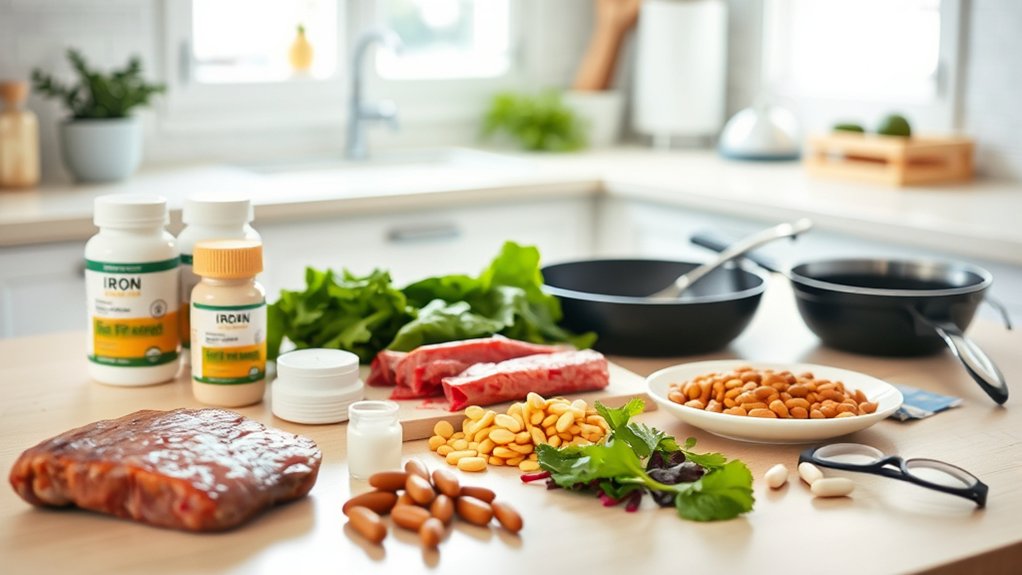
Different age groups require varying amounts of iron supplements to meet their physiological needs. Your iron needs depend on age, sex, and life stage.
Infants 0-6 months need just 0.27 mg of elemental iron daily, usually met by breast milk.
As a child between 1-3 years, you require about 7 mg daily, increasing to 10 mg from ages 4-8.
Boys and girls aged 9-13 need 8 mg daily, while teenage girls require more to compensate for menstrual iron loss.
Women need higher daily iron amounts, 18 mg for ages 19-50, because of this loss.
Adults over 50 drop to 8 mg. Understanding recommended dietary levels helps prevent iron deficiency.
Balancing iron in your diet with supplements guarantees you meet these varying needs across adults and children.
It’s all about making sure you get just the right amount for your body’s stage and situation.
Daily Iron Needs for Men, Women, and Teens
Because your iron needs change with age and biological factors, understanding daily requirements for men, women, and teens is essential for maintaining ideal health. Meeting the dietary allowance helps prevent iron deficiency anemia and supports overall well-being.
Here’s a clear breakdown of daily iron needs:
Men aged 19+ require 8.7 mg daily, as they’ve minimal blood loss.
Women 19–49 need 14.8 mg daily due to menstrual blood loss. Women 50+ require 8.7 mg daily since menstruation ceases.
Teen girls, especially post-menarche, should aim for 15 mg to counteract monthly blood loss.
Supplements may be necessary if dietary intake is insufficient to meet these needs.
Understanding these distinctions helps you tailor iron intake effectively to prevent deficiency and maintain optimal wellness.
Special Iron Needs for Pregnant Women and Other Groups
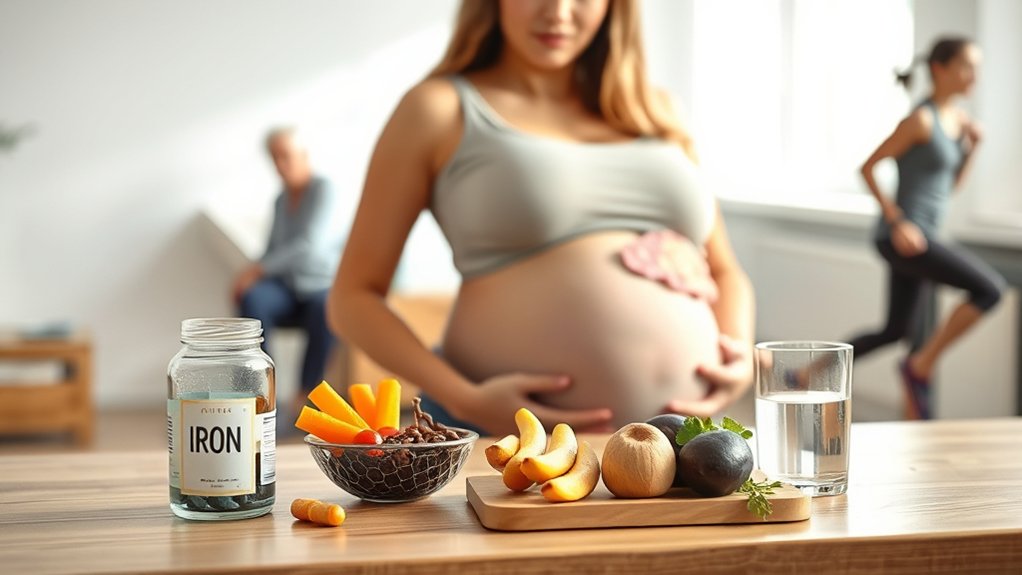
While your iron needs vary throughout life, pregnancy greatly increases your daily requirement to about 27 mg. This supports the expanded blood volume and the developing fetus.
Pregnant women must guarantee adequate iron intake to meet this demand and prevent iron-deficiency anemia.
If you experience heavy menstrual bleeding, your iron needs may also be elevated due to consistent blood loss.
Vegetarians and vegans should be especially mindful since plant-based non-heme iron is less efficiently absorbed. This makes iron supplements a valuable option.
Regular blood tests are essential during pregnancy to monitor iron status and adjust supplementation accordingly.
Meeting these specific iron needs helps support oxygen transport and fetal development effectively. It also reduces the risk of complications linked to iron deficiency.
How Iron Absorption Affects Your Supplement Dose
You absorb heme iron from animal sources more easily than non-heme iron from plants. This difference actually affects how much iron supplement you might need.
Plus, vitamin C can help boost your absorption of non-heme iron, which is great news if you rely on plant-based sources.
On the other hand, things like phytates and calcium can get in the way and reduce how much iron your body takes in.
Knowing about these factors can really help you figure out the right supplement dose to meet your individual needs more effectively.
Factors Influencing Absorption
Since iron absorption varies widely depending on several factors, understanding these influences can help you tailor your supplement dose effectively.
How well you absorb iron affects the amount of iron supplements you need.
Key factors include:
- Heme iron from animal sources absorbs better (14%-18%) than non-heme iron from plants (5%-12%).
- Vitamin C enhances absorption of non-heme iron, boosting iron uptake.
- Phytates in grains and legumes inhibit non-heme iron absorption, so you’ll want to plan your diet carefully.
- Calcium reduces absorption of both heme and non-heme iron, so timing your intake matters.
- Gastrointestinal disorders can impair iron absorption, often meaning you might need higher supplement doses.
Enhancing Iron Uptake
A variety of factors directly influence how effectively your body absorbs iron, which in turn determines the ideal dose of your iron supplement. Absorption rates differ between heme iron from animal sources (14%-18%) and non-heme iron from plant sources (5%-12%).
To enhance absorption of non-heme iron, consume iron-rich foods alongside vitamin C, which boosts uptake considerably. Avoid calcium-rich foods or supplements near your iron supplement intake, as calcium reduces absorption of both heme and non-heme iron.
If you rely on plant-based food sources of iron, phytates in grains and legumes may hinder absorption, possibly requiring higher doses of iron supplements.
Those with iron deficiency or gastrointestinal issues might also need high doses, monitored through blood tests to verify effective treatment and prevent complications.
Common Symptoms Signaling Iron Deficiency

Although iron deficiency can develop gradually, recognizing its common symptoms early helps prevent serious health complications. As a common cause of fatigue and paleness, iron deficiency affects oxygen transport, leading to various signs you shouldn’t ignore.
You may notice fatigue and paleness as early symptoms of iron deficiency. Shortness of breath during physical activity can happen because of low hemoglobin. Rapid heartbeat and chest pain might indicate more severe iron deficiency.
Dizziness and headaches are caused by reduced oxygen to the brain. You might also crave non-food items (pica), which is a unique symptom linked to iron deficiency.
Paying attention to these symptoms guarantees timely intervention and reduces the risk of worsening health issues related to oxygen delivery and cardiovascular strain.
Figuring Out the Right Iron Dose for You
How much iron do you actually need to take if you’re diagnosed with a deficiency? Your healthcare provider will recommend an appropriate dose based on blood tests and the recommended daily allowance (RDA). The RDA varies by age, gender, and pregnancy status.
Iron supplements usually contain elemental iron, which is the active component your body absorbs.
| Group | RDA (mg/day) | Typical Supplement Dose (mg elemental iron) |
|---|---|---|
| Adult Men | 8 | 65 |
| Women 19-50 | 18 | 65 |
| Pregnant Women | 27 | 65 |
Start with the suggested iron supplement dose, but watch for side effects. Follow up with blood tests to adjust your dose as needed.
And remember, avoid taking too much to prevent toxicity.
Adjusting Iron Dose for Health Conditions
When managing iron supplementation, you’ll need to adjust your dose based on specific health conditions that affect your iron requirements or absorption. Your need for iron supplements varies with factors like deficiency severity and underlying health issues.
It’s important to consult your health care provider to determine the right elemental iron daily dose for you. Here are some common adjustments to consider:
Iron-deficiency anemia often requires 150-200 mg of elemental iron daily, split into multiple doses.
Pregnant women typically need about 27 mg daily to support fetal development.
If you have gastrointestinal diseases, absorption may be impaired, so higher doses or alternative supplements might be necessary.
After significant blood loss, an additional 50-100 mg daily can help restore your iron levels.
Children with dietary risks might need tailored supplementation based on their iron status.
Always work with your health care provider to ensure safe and effective dosing.
Risks of Taking Too Much Iron Supplement
While adjusting your iron dose is important for addressing specific health needs, taking too much iron can cause serious problems. High doses of iron supplements, especially those containing elemental iron over 20 mg per day, increase the risks of side effects like constipation, nausea, vomiting, and abdominal pain.
Iron overload happens when your body stores more iron than it needs, which can lead to symptoms like fatigue, joint pain, and abdominal discomfort. If you notice these signs, it’s a good idea to see a doctor right away.
Chronic iron overload can cause more serious health issues such as liver damage, diabetes, and heart problems. Kids are especially at risk; even small amounts of iron supplements can be harmful, so make sure to keep them out of their reach.
Being aware of these risks helps you avoid harm and makes sure your iron intake supports your health safely.
Tips for Taking Iron Supplements Safely
Before you start taking iron supplements, it’s a good idea to chat with your healthcare provider. They can help figure out the right dosage and the best time to take them based on your needs.
Taking iron on an empty stomach usually helps your body absorb it better. That said, some people might feel a bit uncomfortable, like getting constipated or nauseous.
If you notice any severe symptoms, don’t hesitate to reach out to your provider. They can help adjust your treatment and keep things safe.
Timing and Dosage
To maximize absorption, you should take iron supplements on an empty stomach, ideally one hour before or two hours after meals. Your dosage depends on elemental iron content and healthcare provider advice, usually ranging from 60 to 120 mg daily.
Enhance absorption by pairing supplements with vitamin C-rich drinks but avoid calcium, coffee, or tea near dosing times.
Monitor your iron levels regularly through blood tests to adjust timing and dosage effectively.
Take iron supplements on an empty stomach for best absorption.
Typical adult dosage is 60–120 mg of elemental iron daily. Include vitamin C sources to boost iron uptake.
Avoid calcium, coffee, and tea around supplementation.
Consult your healthcare provider and monitor iron levels routinely.
This approach balances efficacy with minimizing side effects.
Managing Side Effects
Taking iron supplements on an empty stomach improves absorption, but you may experience gastrointestinal discomfort. If this happens, try taking iron supplements with a small amount of food to ease side effects without greatly reducing iron absorption.
Start with a lower dosage and gradually increase it to help your body adjust and minimize adverse reactions. Staying well hydrated can prevent constipation, a common side effect. Using stool softeners may also help if needed.
Avoid taking iron supplements alongside calcium-rich foods, antacids, or certain medications because these can inhibit iron absorption.
Always consult your healthcare provider for personalized dosage recommendations. Also, reach out if you experience severe side effects like nausea or abdominal pain.
Managing side effects effectively guarantees you safely benefit from iron supplementation.
When to See Your Doctor About Iron
If you notice persistent fatigue, paleness, shortness of breath, or dizziness, you should see your doctor to check your iron levels. These symptoms may indicate iron deficiency affecting your health.
Persistent fatigue, paleness, or dizziness may signal iron deficiency—consult your doctor to check your iron levels.
You should also consult your doctor if you experience heavy menstrual bleeding or gastrointestinal problems. Or if you have had recent surgery that could lower your iron levels.
Are you pregnant and need to take iron supplements? The recommended dose is 27 mg daily.
Also, if blood tests show low serum ferritin (below 30 mcg/L) or hemoglobin levels (below 12 g/dL), it’s a good idea to get checked.
If you’re already on iron supplements, you might need regular monitoring, especially if you have chronic conditions or increased iron needs.
Early consultation helps prevent complications and makes sure you take the right iron dose for the best health.
Frequently Asked Questions
Can Iron Supplements Interact With Other Medications?
Yes, iron supplements can cause medication interactions that affect iron absorption and the effectiveness of drugs like antacids, antibiotics, and calcium supplements.
You should follow dosage recommendations carefully and consider timing. Taking iron on an empty stomach boosts absorption, but food interactions may reduce it.
If you have chronic conditions, are pregnant, or elderly, it’s a good idea to consult your healthcare provider. This helps avoid iron overload and ensures your safety while managing medication and supplement timing.
Always check in with your doctor if you’re unsure.
What Are the Best Dietary Sources of Iron?
The best dietary sources of iron include red meat, seafood, and poultry. These foods provide highly absorbable heme iron, which your body can use efficiently.
For non-heme iron, focus on leafy greens, beans, lentils, nuts, seeds, dried fruits, whole grains, and fortified cereals. You can boost absorption by pairing plant-based sources with vitamin C-rich foods.
Cooking methods like using cast iron pans also increase iron content in meals. This helps you meet your daily requirements more effectively.
How Does Vitamin C Influence Iron Absorption?
Think of Vitamin C as the key that opens iron’s door, boosting iron absorption in your body. When you pair iron-rich foods or supplements with Vitamin C sources, you create nutrient synergy that enhances absorption rates considerably.
Timing your supplement with Vitamin C-rich meals maximizes dietary factors for better iron uptake. This is especially important if you face iron deficiency.
Aim for balanced food combinations and ideal dosages to maximize iron absorption. Doing so supports your health effectively.
Can Iron Supplements Cause Constipation or Other Side Effects?
Yes, iron supplements can cause constipation and other gastrointestinal discomfort. Your iron dosage and the form of supplement you take, like ferrous sulfate versus ferric salts, can influence side effects and absorption rates.
To reduce constipation, try remedies like increasing fluids, adding more fiber to your diet, or adjusting the timing of when you take your supplement.
Ferrous forms usually absorb better but might cause more side effects.
If you experience issues with long-term use, it’s a good idea to talk to your healthcare provider. They can give you tailored advice and suggest safer alternatives.
How Long Does It Take for Iron Supplements to Improve Symptoms?
You’ll usually notice improvement in symptoms within 1 to 4 weeks, thanks to iron absorption rates influenced by the type of iron and timing of intake.
Taking recommended dosages with absorption enhancers like vitamin C helps, while avoiding food interactions that hinder absorption.
It’s a good idea to monitor symptoms of deficiency and consult your healthcare provider for dosage adjustments.
Conclusion
Steering your iron needs is like tuning a delicate instrument. Too little leaves you off-key, and too much can overwhelm. By understanding your age, gender, and health, you can strike the perfect balance with supplements.
Remember, iron absorption varies, so personalized doses matter. Watch for deficiency signals and adjust carefully. Avoid the risks of overload.
When in doubt, consult your doctor to keep your body’s iron symphony playing strong and steady.