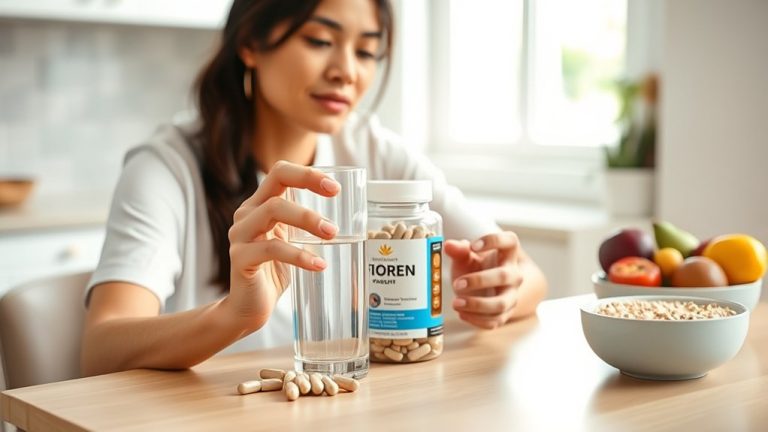
How Long Does It Take For A Supplement To Work for Different Nutrients
How long it takes for a supplement to work depends on the type of nutrient and your body’s absorption ability. Water-soluble vitamins like B and C often show effects within weeks, while fat-soluble ones like A, D, E, and K usually take months due to storage in body fat.
Your current nutrient levels and overall health, especially age-related changes, also influence the timeline. Consistency and pairing supplements with the right diet improve results.
Exploring these factors can help you maximize supplement benefits. So, keeping track of how your body responds can make a big difference.
How Supplements Are Absorbed and Why It Matters

Although supplements vary widely in their composition, they all rely on your digestive system, especially the small intestine, to break down and absorb their nutrients effectively.
Vitamin absorption differs between water-soluble vitamins, like B vitamins and vitamin C, and fat-soluble vitamins, such as A, D, E, and K.
Water-soluble vitamins require frequent intake since your body doesn’t store them, while fat-soluble vitamins need dietary fats for ideal absorption.
Your individual health status, including current nutrient levels and gut health, plays a critical role in how well supplements work for you.
Probiotic bacteria in your gut can enhance absorption and improve the effectiveness of supplements.
How Supplement Type Affects Absorption Speed
Different types of supplements are absorbed at varying speeds, largely influenced by their chemical nature and how your body processes them.
Water-soluble vitamins, like B and C, absorb quickly and may show effects within days to weeks since your body rapidly excretes them. This means you need to replenish them frequently.
In contrast, fat-soluble vitamins such as A, D, E, and K take longer to demonstrate effects because they store in body fat. They also depend on dietary fat for ideal absorption.
The bioavailability of supplements varies by formulation and nutrient interactions, which influences how well your body utilizes them.
Your health status, including any deficiencies, affects absorption speed. People with deficiencies often notice faster results.
To maximize absorption, take fat-soluble vitamins with meals containing fat. Water-soluble vitamins absorb better on an empty stomach.
How Your Nutrient Levels Affect Supplement Results

Your current nutrient levels really influence how quickly supplements start to work. If you have deficiencies, you might actually notice improvements faster.
How well your body absorbs vitamins depends on the type of vitamin and your personal health situation. Things like your age can also make a difference.
Keeping an eye on your nutrient levels is a smart move. It helps you tweak your supplements so you get the best possible results.
Baseline Nutrient Deficiency
A person’s existing nutrient levels play an essential role in how quickly supplements deliver noticeable effects. If you have a baseline nutrient deficiency, you may experience noticeable improvements within days to weeks of starting supplementation.
For example, Vitamin B12 deficiency often responds rapidly, with enhanced energy and cognitive function appearing within a week.
However, fat-soluble vitamins like Vitamin D usually require several weeks or even months to show significant effects, especially when initial levels are very low. Consistent supplementation is critical to achieve these results.
If your nutrient levels are already ideal, you mightn’t notice any benefits.
Regular blood tests can help you track your nutrient levels and guide adjustments in your supplementation. This way, you can effectively and safely address any deficiencies.
Absorption Rate Impact
Although supplement intake is important, how well your body absorbs nutrients greatly influences the speed and effectiveness of their results.
The absorption rate varies between water-soluble vitamins, which require frequent intake due to rapid excretion, and fat-soluble vitamins (A, D, E, K), whose absorption depends on your dietary fat intake.
If your nutrient levels are low, you may see noticeable results quickly. However, adequate levels often mean slower or minimal effects.
The quality of supplements and their bioavailability also determine how efficiently your body utilizes nutrients.
Furthermore, your individual health status affects absorption, with factors like digestive efficiency playing a role.
To maximize benefits, choose high-quality supplements and consider your diet’s fat content to improve absorption rates and overall effectiveness.
Individual Health Variability
Since nutrient levels vary widely among individuals, the time it takes for supplements to show effects can differ greatly. Your individual health variability plays a key role. If you have vitamin deficiencies, you may notice improvements within days to weeks.
However, pre-existing health conditions like gastrointestinal disorders can reduce absorption rates, which might delay results. Older adults often face age-related declines in nutrient uptake, especially for fat-soluble vitamins. This means they might need tailored dosages or different formulations.
Maintaining consistent dietary habits, including adequate fat intake, really helps boost supplement bioavailability.
Checking your baseline nutrient levels through blood tests offers valuable insight into how quickly supplements might work for you. By understanding these factors, you can manage your expectations and optimize supplementation to suit your unique health profile.
The Role of Diet in Supplement Effectiveness

You need dietary fat to properly absorb fat-soluble vitamins like A, D, E, and K.
So, pairing your supplements with healthy fats actually improves how well they work.
Plus, some nutrients just work better together.
Take Vitamin C, for example—it helps boost iron absorption.
This is why having a balanced diet is super important.
When you pay attention to these little interactions, you make sure you’re getting the most out of your supplements.
Dietary Fat Importance
When you take supplements containing fat-soluble vitamins like A, D, E, or K, your body needs dietary fat to absorb them effectively. Without enough dietary fat, the absorption of these vitamins goes down, which can lead to deficiencies over time.
To meet your nutritional needs and ensure ideal absorption, it’s important to consume healthy fats, such as those found in avocados and nuts, alongside your supplements. This helps boost the bioavailability of fat-soluble vitamins, including vitamin D, so you get the most health benefits.
If you follow a low-fat diet, you mightn’t get the full effect from these supplements.
Nutrient Synergy Effects
Although supplements provide concentrated nutrients, their effectiveness often depends on how well your diet supports their absorption and utilization. Nutrient synergy plays an essential role. For example, vitamin C enhances iron absorption, while vitamin D improves calcium uptake.
Without dietary pairing, supplements may not reach their full potential. Fat-soluble vitamins (A, D, E, K) require dietary fats for ideal absorption, so a balanced diet is fundamental. Additionally, gut health supported by probiotics can boost overall supplement efficacy by improving nutrient absorption.
| Nutrient Synergy | Effect on Absorption |
|---|---|
| Vitamin C + Iron | Enhances iron absorption |
| Vitamin D + Calcium | Improves calcium uptake |
| Fat-soluble Vitamins | Need dietary fats |
| Probiotics | Support gut health |
How Age Changes Supplement Absorption and Impact
Since nutrient absorption tends to decline with age, you might notice that supplements don’t work as quickly or effectively as they once did.
Aging reduces digestive enzyme production and stomach acid, which slows the absorption of key nutrients like B Vitamins, vitamin D, and calcium. Changes in your gut microbiota can also influence how well your body utilizes these supplements.
Also, chronic conditions common in older adults often increase nutrient needs. This makes it essential to tailor your supplement regimens carefully.
Regular blood tests help you monitor vitamin levels so you can adjust your intake to address specific deficiencies.
Understanding how aging impacts nutrient absorption allows you to optimize supplement effectiveness. It helps you support your overall health more precisely as you get older.
Why Consistency Is Key for Supplements to Work
Understanding how your body absorbs nutrients as you age helps highlight why sticking to a consistent supplement routine matters.
Consistency in supplements guarantees stable vitamin levels, which is vital for achieving desired health effects over time.
Water-soluble vitamins like B and C require daily intake since your body rapidly excretes them. That’s why regular consumption is essential.
Fat-soluble vitamins, such as A, D, E, and K, build up gradually, so you won’t see immediate effects. But steady use supports peak health.
Because metabolism and nutrient deficiencies vary individually, maintaining a daily routine helps your body respond more predictably.
Regular intake also lets you monitor progress and adjust doses if needed.
Ultimately, consistency is key to preventing nutrient deficiencies and maximizing the health benefits supplements offer.
What Bioavailability Means for Your Supplements
When you take a supplement, how much your body actually absorbs and uses, known as bioavailability, plays a crucial role in its effectiveness. Bioavailability affects the speed and extent of health benefits you experience.
Bioavailability determines how effectively your body absorbs and benefits from the supplements you take.
For example, fat-soluble vitamins (A, D, E, K) need dietary fat for better absorption, while water-soluble vitamins (B, C) depend on hydration.
Timing of intake, such as taking Vitamin D with meals, also influences nutrient utilization.
Keep these points in mind for ideal bioavailability in supplements:
- Formulation impacts absorption (liquid vs. tablet).
- Dietary fat enhances fat-soluble vitamin uptake.
- Hydration affects water-soluble vitamins.
- Timing of intake can improve nutrient utilization.
Understanding bioavailability helps you maximize supplement effectiveness and achieve quicker results. It’s really about making the most of what you take.
How to Choose Quality Supplements
You want to pick supplements from reputable brands—ideally ones that pharmacists recommend.
It’s also a good idea to look for products that have been tested by third parties. This kind of testing helps ensure the supplement is safe and actually contains what it says on the label.
Checking for these certifications gives you peace of mind.
It means you can trust the supplement to be both effective and free from harmful contaminants.
Taking this extra step really helps you feel confident about what you’re putting into your body.
Selecting Reputable Brands
Although the supplement market is vast and varied, choosing reputable brands is essential to confirm quality and safety. You should focus on brands that prioritize transparency and demonstrate a commitment to quality control.
Quality vitamins often come from manufacturers following strict manufacturing standards and providing clear ingredient lists.
When selecting reputable brands, consider the following:
- Look for certifications like NSF International or USP verification.
- Choose products that are third-party tested for purity and potency.
- Review customer feedback and independent evaluations.
- Make sure the brand discloses sourcing and manufacturing details.
Taking these steps can really help you make smarter choices when picking supplements. It’s all about finding brands you can trust to deliver what they promise.
Verifying Third-Party Testing
Because supplement quality can vary widely, verifying third-party testing is essential to confirm what you’re taking is safe and effective. Look for supplements certified by trusted organizations like NSF International, USP, or ConsumerLab.
These groups rigorously assess ingredient purity and adherence to quality standards. These certifications confirm that the supplement’s label accurately reflects its contents. They also ensure manufacturing practices meet strict safety guidelines.
It’s a good idea to check how transparent the brand is about sourcing and production methods. Reputable companies often share detailed testing results.
Avoid supplements making exaggerated claims or lacking clear evidence of third-party testing. By prioritizing verified testing and proven quality standards, you can be confident the supplement you choose is reliable, effective, and responsibly made.
That way, you support your health goals with peace of mind.
How Long Does It Take for Supplements to Work?
How quickly can you expect to see results after starting a supplement? It depends on several factors, including the type of vitamins you take and your body’s needs.
Water-soluble vitamins often show benefits within weeks, while fat-soluble vitamins may take several months due to their storage in body fat.
If you have nutrient deficiencies, you might notice improvement within days to weeks. Consistent intake is crucial to maintain adequate nutrient levels and achieve desired effects.
- Water-soluble vitamins act faster than fat-soluble ones
- Nutrient deficiencies speed up visible improvements
- Consistent intake guarantees sustained benefits
- Individual factors like age and health influence timing
Understanding these aspects helps set realistic expectations for supplement effectiveness.
It’s all about being patient and sticking with it.
When to See a Healthcare Provider About Supplements
When should you see a healthcare provider about your supplement use? It’s essential to consult a healthcare provider before starting any vitamin supplementation, especially if you have underlying health conditions or take medications.
If you experience adverse effects or worsening symptoms after beginning supplements, seek medical advice immediately. Monitoring bloodwork helps track the effectiveness of supplements and guides adjustments based on your unique nutritional needs.
After several months of consistent supplementation without noticeable improvement, you may not have a deficiency, so discussing this with your provider is important.
Regular check-ins assure your regimen fits your evolving health status and nutritional requirements.
Partnering with a healthcare provider guarantees safe, effective supplementation tailored to your body and health goals. It’s all about making sure what you’re taking works for you and keeps you healthy.
Frequently Asked Questions
Can Supplements Interact Negatively With Prescription Medications?
Yes, supplements can cause drug interactions that negatively affect your health.
Timing matters because taking supplements and medications together may reduce absorption or effectiveness.
Dosage considerations are essential, as high doses can increase side effects or risks.
Ingredient transparency helps you and your healthcare provider assess potential issues.
Always seek healthcare consultation before starting supplements, especially for long-term use.
Individual responses vary, so discussing natural alternatives guarantees safety and efficacy.
Are There Supplements That Can Cause Allergic Reactions?
Supplements sometimes spark sudden allergic reactions, especially if they contain common allergens like shellfish, soy, or gluten.
For your supplement safety, always prioritize ingredient transparency and stick to dosage guidelines. Recognizing early immune response symptoms helps you spot issues quickly and avoid triggers.
Before you start any new product, it’s a good idea to get some advice to make sure it suits your health.
This evidence-based approach helps reduce risks and makes taking supplements safer. Just a little caution can go a long way!
How Should Supplements Be Stored to Maintain Potency?
You should store supplements in cool, dry places to preserve potency. Avoid high temperatures and humidity, as these accelerate degradation and reduce shelf life.
Keep them away from direct light exposure, which can also impair effectiveness.
Use airtight containers to minimize air contact, supporting potency preservation. Following these best practices guarantees your supplements stay effective, aligning with dosage recommendations and maximizing benefits.
Regularly check expiration dates for ideal results. It’s a simple step that helps ensure you’re getting the most out of your supplements every time.
Can Taking Multiple Supplements at Once Reduce Their Effectiveness?
Yes, taking multiple supplements at once can reduce their effectiveness because of ingredient interactions and nutrient competition, which affect absorption rates.
Timing really matters here. You might miss out on synergy effects if supplements interfere with each other’s uptake.
Dosage differences and your individual metabolism also play a role in how well the supplements work.
To get the most benefit and support your digestive health, think about the quality of the supplements you choose.
It’s a good idea to talk to a healthcare provider about the best combinations and timing that fit your needs.
Do Supplements Lose Effectiveness After Expiration Dates?
Yes, supplements do lose effectiveness after expiration dates because their potency decreases and ingredients break down over time.
How much the expiration date matters depends on the supplement’s shelf life, how it’s stored, and the manufacturing quality. These factors can even affect how accurate the expiration date on the label really is.
Using expired supplements might mean you don’t get the full benefits you expect, and that could affect your overall health experience.
To make sure you’re getting the most out of your supplements, always check the expiration date before using them. It’s also important to store them properly so they stay effective throughout the recommended timeframe.
Conclusion
Understanding how supplements work isn’t like waiting for a telegram. You won’t get instant results. Absorption varies by supplement type, your nutrient levels, diet, age, and bioavailability.
Choosing quality supplements and monitoring your body’s response is key. Remember, supplements support but don’t replace a balanced diet.
If you’re unsure or not seeing benefits, don’t hesitate to consult a healthcare provider. Patience and informed choices lead to the best outcomes.